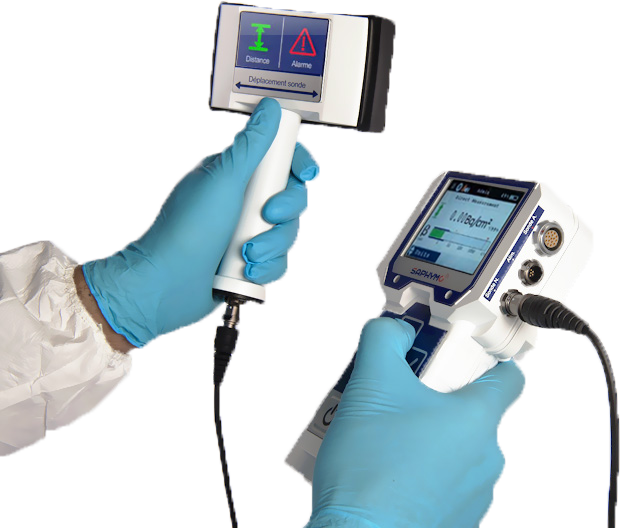
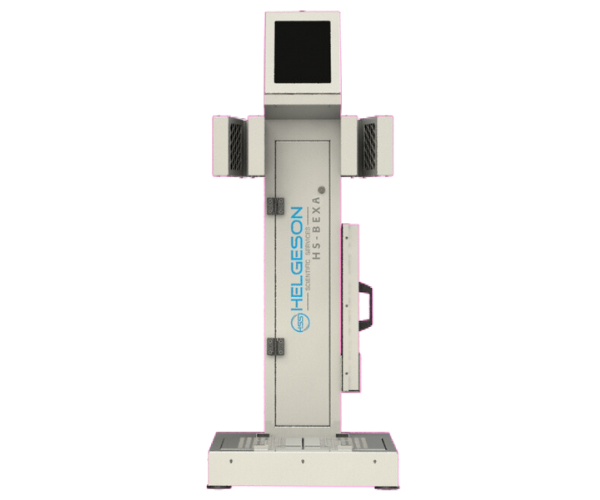
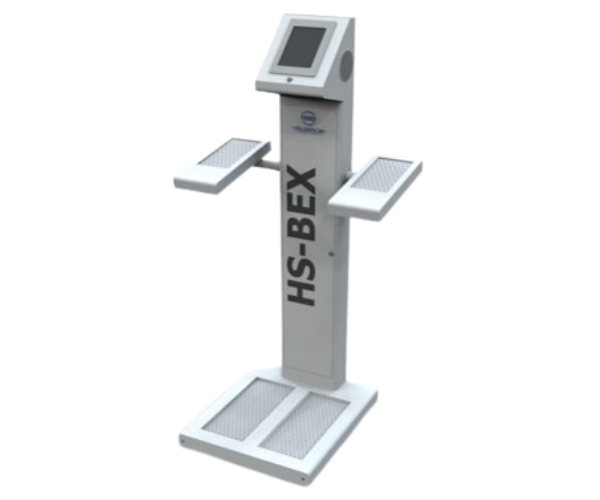
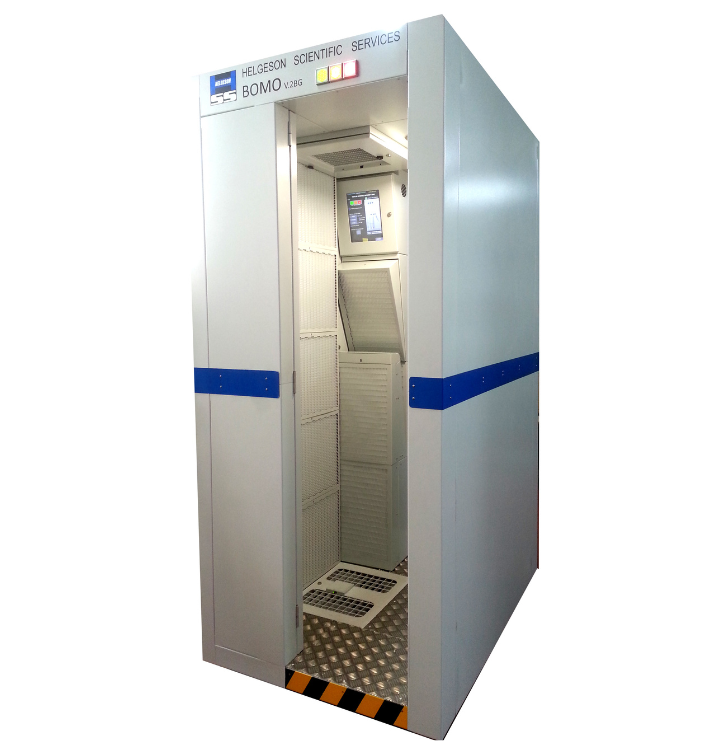
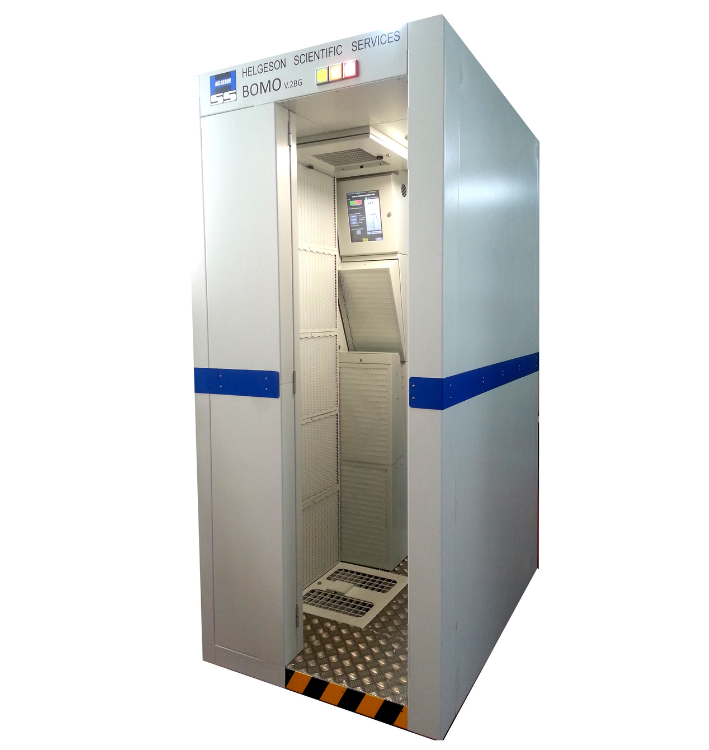
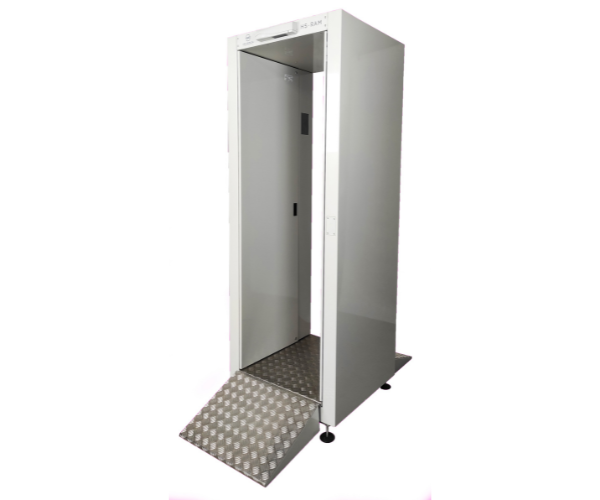
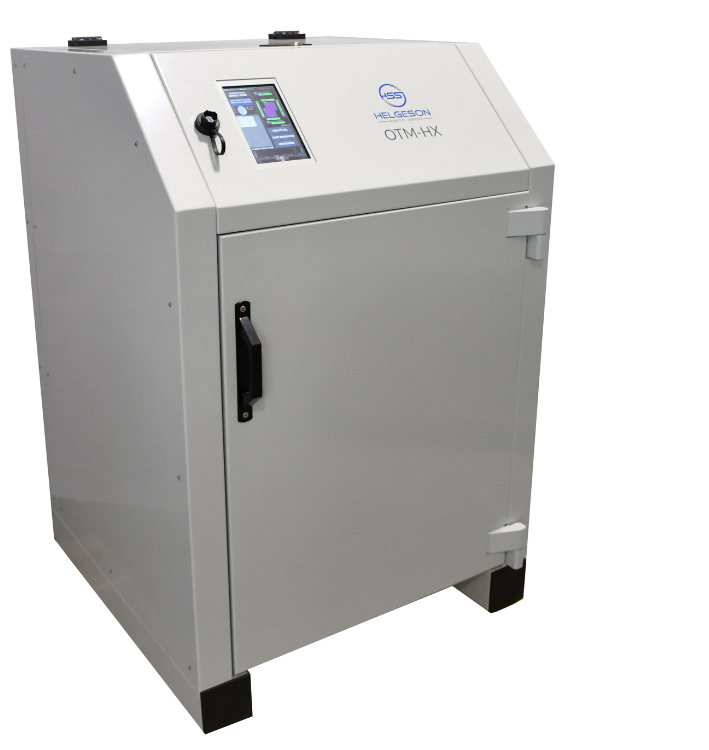
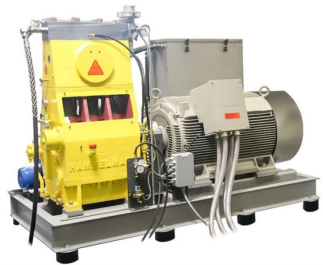
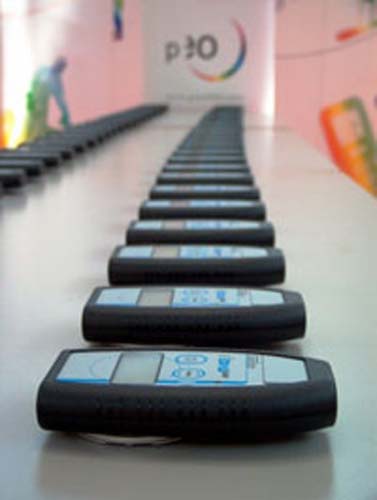
In hospitals, nuclear medicine departments, diagnostic laboratories, and radiotherapy-related workflows, contamination monitoring supports radiation safety procedures, operational control, and staff protection. Depending on the setting, equipment may include handheld instruments, floor and wall monitors, hand-foot systems, or whole-body contamination monitors. Ludlum highlights detector formats such as gas proportional and scintillation systems, while Mirion and Thermo Fisher emphasise fast screening, reliable detection, and efficient use in controlled environments.
PEO Medical supplies contamination monitoring solutions from Ludlum Medical Physics, supporting healthcare buyers who need dependable radiation safety equipment for day-to-day clinical, laboratory, and project use.
What is Contamination Monitoring?
Contamination monitoring refers to the detection and assessment of radioactive contamination on people, equipment, clothing, surfaces, and smaller items that may have been exposed to radioactive materials. In practical terms, it helps healthcare and laboratory teams identify contamination quickly so that affected items or areas can be managed according to local radiation safety procedures. Competitor pages describe these systems as monitors for personnel, clothing, articles, and work areas in controlled environments.
In medical and research settings, contamination monitoring equipment may be used for local checks with handheld devices or for more structured screening at exits and checkpoints. Different systems are designed for different monitoring tasks, including alpha, beta, and in some cases beta/gamma detection, depending on the detector and application. Ludlum’s range includes alpha-beta-gamma gas proportional detectors and alpha-beta scintillation detectors, showing how detector choice affects performance and intended use.
How Contamination Monitoring Products Are Used
Contamination monitoring products are used throughout radiation safety workflows to check whether radioactive material is present on staff, protective clothing, medical tools, transport containers, worktops, or other items. Handheld units are often used for flexible local checks, while fixed systems can be used at exits from controlled areas to screen personnel or articles before they move elsewhere in the facility. Mirion specifically positions its compact monitors as suitable for radiologically controlled areas where fast setup, portable deployment, and minimal training are important.
In hospital settings, this can support safer handling of radionuclides, more structured contamination clearance, and improved routine checks after dispensing, treatment support, storage, transport, or spill response activities. Thermo Fisher describes small article monitoring as a precise, computerised way to monitor items used in radiation-controlled areas, while Ludlum includes floor, wall, and body monitoring systems in its contamination monitoring portfolio.
Applications of Contamination Monitoring
Hospitals
Hospitals use contamination monitoring to support radiation safety programmes in departments where radioactive materials are present. Equipment can be used to check staff, clothing, transport items, and local work areas before they move into general circulation.
Radiotherapy
Radiotherapy services may require contamination monitoring in supporting workflows where radioactive materials, accessories, or controlled waste streams are handled. The category is particularly relevant where departments share broader radiation protection responsibilities with medical physics or oncology support teams.
Radiology
Radiology is not always the primary use setting, but healthcare organisations that manage multiple radiation-related workflows may include contamination monitoring within wider site safety procedures and procurement planning.
Oncology
Oncology services may encounter contamination monitoring requirements in environments linked to radionuclide handling, treatment support, or specialist patient pathways within larger cancer centres.
Clinics and outpatient centres
Specialist clinics and outpatient centres using radioactive materials may need compact or portable contamination monitoring equipment that fits smaller spaces and lower throughput environments. Mirion’s portable designs for space-efficient use are relevant here.
Diagnostic laboratories
Diagnostic laboratories and radiopharmacy environments often need contamination checks on benches, tools, sample areas, and transport items. Portable and article-monitoring systems can support these workflows.
Nuclear Medicine
Nuclear medicine is one of the most relevant sectors for contamination monitoring, as teams routinely handle radiopharmaceuticals, packaging, syringes, containers, and work surfaces that may need checking. Competitor pages consistently refer to personnel and article monitoring in controlled radiation areas.
Key Features and Capabilities
- Handheld, floor-mounted, wall-mounted, hand-foot, and whole-body formats for different workflows.
- Detector options for alpha, beta, and beta/gamma contamination monitoring depending on the system selected.
- Fast screening performance to support efficient monitoring in controlled areas.
- Clear user interfaces, touch screens, and audio-visual guidance on selected systems.
- Remote access, LAN capability, and data export options on some models.
- Durable construction suitable for demanding healthcare and laboratory environments.
- Compact designs for high-traffic or space-constrained areas.
- Support for integration into broader radiation safety workflows and personnel monitoring procedures.
Benefits of Using Contamination Monitoring
The main benefit of contamination monitoring is earlier identification of radioactive contamination before it spreads to staff areas, public spaces, or clean work environments. This can support safer day-to-day operations and help departments maintain better control over controlled areas. Competitor messaging consistently frames these systems around screening efficiency, contamination prevention, and reliable routine monitoring.
From a procurement perspective, contamination monitoring equipment can also improve workflow consistency. Portable units support flexible local use, while fixed monitors can help standardise screening in high-throughput settings. For clinical and technical teams, the value lies in dependable performance, clearer user guidance, and easier integration with radiation protection procedures.
Choosing the Right Contamination Monitoring
Choosing the right contamination monitoring system starts with intended use. Some facilities need handheld instruments for flexible surface checks, while others require article monitors, hand-foot units, or full body contamination monitors for more structured personnel screening. Throughput, available space, detector type, and the contamination types most likely to be encountered all affect the right choice. Ludlum’s range and Mirion’s product families show how widely formats can vary.
Buyers should also review maintenance requirements, calibration support, training needs, remote data access, and how well the system fits existing safety procedures. In healthcare settings, it is also sensible to consider ease of cleaning, durability, and whether the monitor will be used in high-traffic areas or compact clinical spaces. On selected products, standards such as IEC 61098 and ISO 11929 may be relevant when comparing options.
Our Contamination Monitoring Solutions
PEO Medical offers contamination monitoring solutions from Ludlum Medical Physics, a recognised manufacturer of radiation detection instrumentation. Ludlum’s category includes alpha-beta-gamma gas proportional detectors, alpha-beta scintillation detectors, floor contamination monitors, and body contamination monitors, giving buyers a broad basis for matching equipment to their clinical or laboratory workflow.
This range supports different use cases, from local surface checks and controlled-area screening to more structured personnel monitoring. PEO Medical helps buyers compare configurations, understand application fit, and select equipment appropriate for hospitals, laboratories, and specialist medical projects.
Why Choose PEO Medical
PEO Medical supports hospitals, clinicians, biomedical engineers, healthcare distributors, ministries of health, NGOs, clinics, and project buyers across radiotherapy, medical imaging, radiology, nuclear medicine, laboratory research, dental, and veterinary sectors. That broader medical supply capability is valuable when contamination monitoring needs to be aligned with wider equipment procurement and site-level safety planning.
By choosing PEO Medical, buyers gain access to specialist product expertise, international sourcing support, and guidance tailored to healthcare purchasing environments. This is especially important for organisations comparing multiple radiation safety solutions and looking for practical procurement support rather than product specifications alone.
Conclusion
Contamination monitoring plays a vital role in radiation safety wherever radioactive materials may contaminate people, equipment, clothing, or work areas. From handheld checks to fixed screening systems, the category helps healthcare and laboratory teams detect contamination promptly, improve control of controlled areas, and support safer operational workflows. Competitor pages consistently show strong demand for practical, reliable contamination monitoring across regulated environments.
PEO Medical supplies Ludlum Medical Physics contamination monitoring solutions for healthcare organisations seeking dependable equipment for routine radiation safety use. Explore the products in this category or contact PEO Medical for support in selecting the right system for your facility.