In healthcare and medical research environments, radiation spectrometry helps identify radioisotopes, measure contamination levels, and support radiation protection programmes. Hospitals, laboratories, and regulatory bodies rely on accurate radiation measurement equipment to maintain safe working conditions and ensure compliance with radiation safety standards.
Alpha, beta, and gamma radiation are emitted by radioactive materials used in medical imaging, radiotherapy, and research. Spectrometry systems measure the energy and intensity of these emissions, enabling precise identification and quantification of radioactive sources. These instruments are widely used in nuclear medicine laboratories, environmental monitoring programmes, and radiation protection applications.
At PEO Medical, we supply reliable alpha beta gamma spectrometry equipment from leading manufacturers including Tracerco, GEORADIS, Radiation Solutions Inc., Ludlum Medical Physics, and Bertin Technologies. Our range supports healthcare providers, research institutions, and government agencies in managing radiation safely and effectively.
What is Alpha, beta & gamma spectrometry?
Alpha, beta & gamma spectrometry refers to analytical techniques used to measure and analyse different types of ionising radiation emitted by radioactive isotopes. These systems detect radiation particles or photons and measure their energy levels to identify the specific radionuclides present.
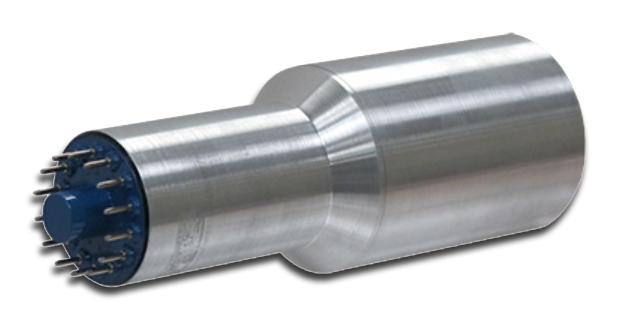
Spectrometry instruments typically use detectors such as scintillation detectors, semiconductor detectors, or Geiger-Müller tubes. Signals generated by radiation interactions are processed by electronic systems and often analysed using multichannel analysers to create energy spectra for interpretation.
This technology enables laboratories and radiation safety teams to identify radioactive materials, measure contamination levels, and monitor radiation exposure in controlled environments.
How Alpha, beta & gamma spectrometry products are used
Alpha beta gamma spectrometry systems are used to measure radiation emissions and analyse radioactive materials in both clinical and research settings.
Common functions include:
- Detecting radioactive contamination on surfaces and equipment
- Measuring radiation levels in laboratories and medical facilities
- Identifying radioisotopes used in nuclear medicine procedures
- Monitoring environmental radiation levels
- Supporting radiation protection programmes for healthcare staff
- Analysing radioactive samples in laboratory research
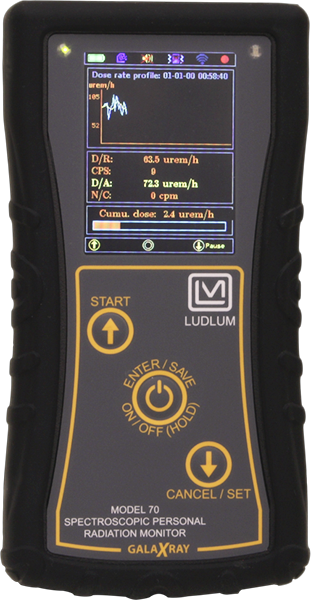
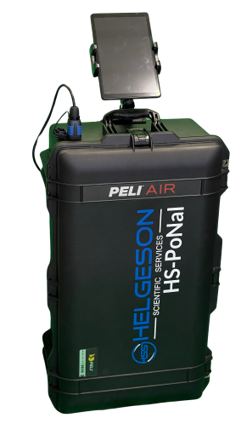
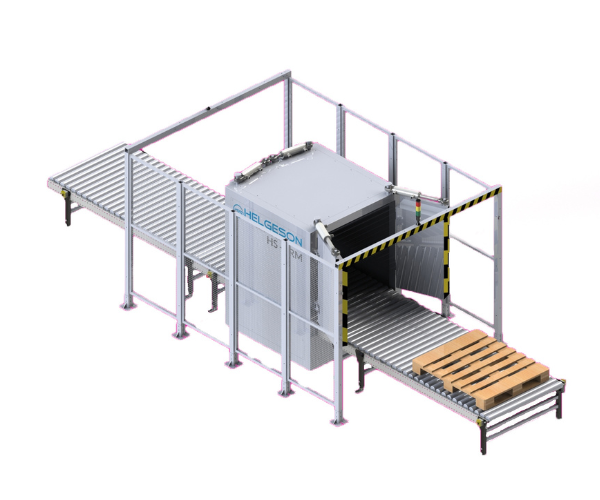
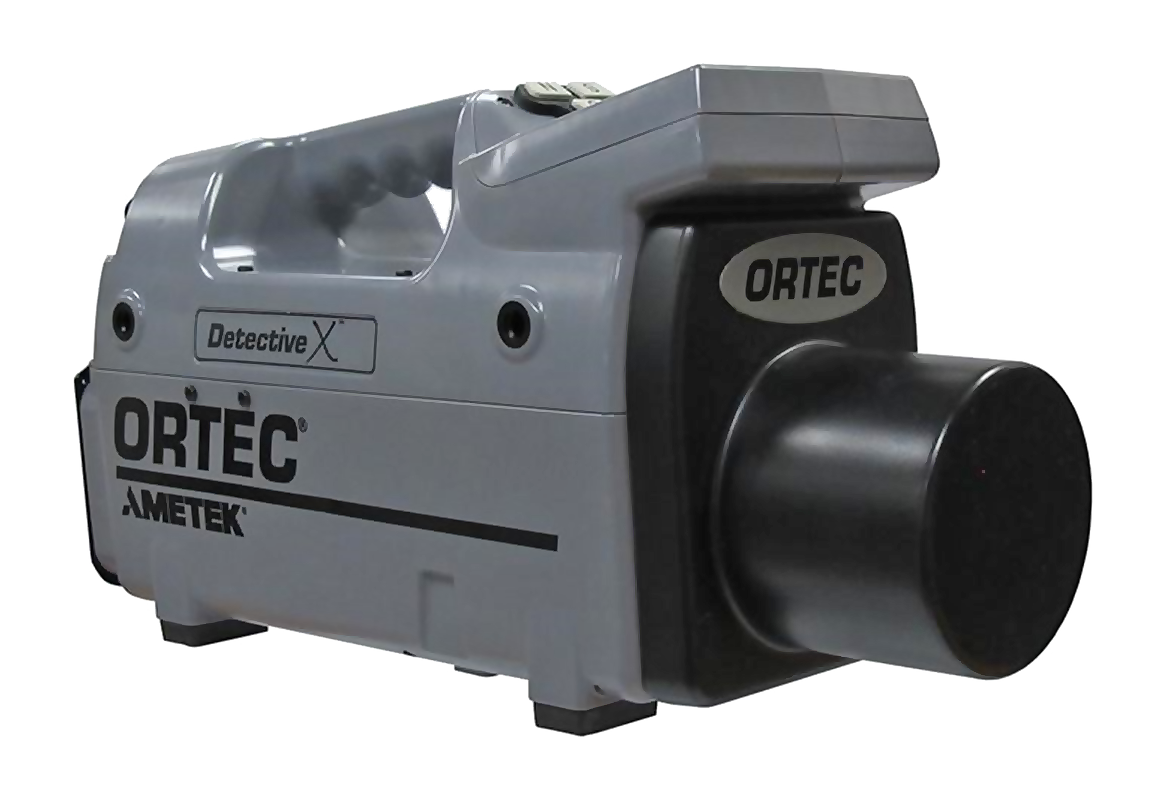
These instruments may be portable handheld monitors, laboratory spectrometers, or fixed environmental monitoring systems depending on the application. Radiation detection instruments are commonly used in hospitals and laboratories to measure contamination and monitor radiation levels in safety programmes.
Applications of Alpha, beta & gamma spectrometry
Hospitals
Hospitals with nuclear medicine or radiotherapy departments use spectrometry equipment to monitor radiation levels, identify contamination, and support radiation protection protocols.
Radiotherapy
Radiation monitoring systems help medical physics teams verify safety conditions around treatment equipment and ensure controlled handling of radioactive materials.
Radiology
Radiology departments may use radiation monitoring devices to measure background radiation and assess equipment performance.
Oncology
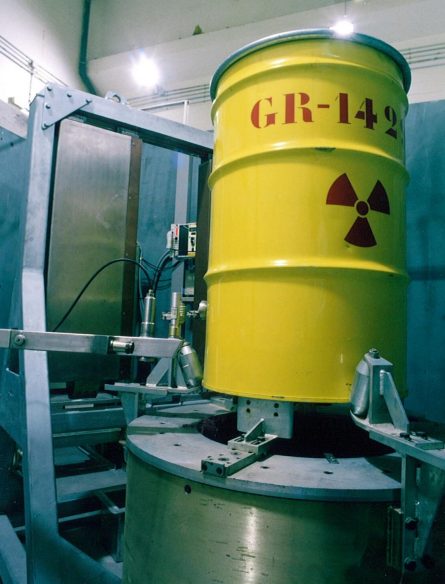
Facilities handling radiopharmaceuticals require monitoring tools to ensure safe storage, preparation, and disposal of radioactive substances.
Clinics and outpatient centres
Smaller nuclear medicine facilities may use portable radiation detection devices for contamination monitoring and safety checks.
Diagnostic laboratories
Laboratories conducting radioisotope analysis use spectrometry systems to identify radionuclides and analyse radiation emissions.
Nuclear Medicine
Nuclear medicine departments rely on radiation detection and monitoring equipment to support radiopharmaceutical handling and safety management.
Key Features and Capabilities
Modern alpha beta gamma spectrometry systems offer a range of capabilities designed to support accurate radiation measurement and reliable laboratory performance.
Key features may include:
- High-sensitivity radiation detection
- Energy spectrum analysis for radionuclide identification
- Portable and handheld monitoring options
- Digital data recording and analysis software
- Real-time measurement and monitoring
- Durable construction for laboratory and field use
- Interchangeable detectors for multiple radiation types
- Calibration support for measurement accuracy
- Integration with laboratory data systems
- Continuous environmental monitoring capabilities
Benefits of Using Alpha, beta & gamma spectrometry
Radiation spectrometry systems provide several operational and safety benefits for healthcare organisations and research institutions.
Improved radiation safety
Reliable detection systems help identify contamination early and support radiation protection protocols.
Accurate radioisotope analysis
Spectrometry allows laboratories to identify radioactive materials based on their energy signatures.
Support for regulatory compliance
Monitoring radiation levels helps facilities maintain compliance with safety standards and operational guidelines.
Operational efficiency
Portable monitoring devices allow rapid inspection and verification of radiation levels within clinical environments.
Reliable long-term monitoring
Environmental monitoring systems enable continuous measurement of background radiation and contamination levels.
Choosing the Right Alpha, beta & gamma spectrometry
Selecting the right spectrometry system depends on several technical and operational factors.
Intended clinical or laboratory use
Determine whether the system will be used for contamination monitoring, laboratory analysis, environmental surveillance, or research.
Detector technology
Different detectors are suited to different radiation types and measurement requirements.
Measurement sensitivity
Facilities handling low-level contamination may require higher-sensitivity detection systems.
Portability requirements
Some environments require handheld monitoring devices, while others benefit from fixed monitoring systems.
Integration with laboratory workflows
Spectrometry systems should integrate with laboratory software and data reporting tools.
Maintenance and calibration
Routine calibration and servicing are important for maintaining measurement accuracy.
Regulatory requirements
Healthcare organisations should ensure equipment supports compliance with radiation safety regulations and monitoring standards.
Our Alpha, beta & gamma spectrometry solutions
PEO Medical provides access to a carefully selected portfolio of alpha beta gamma spectrometry equipment from trusted manufacturers.
Our partner network includes:
- Tracerco – portable radiation monitoring and contamination detection instruments
- GEORADIS – handheld radiation detection systems and monitoring devices
- Radiation Solutions Inc. – advanced radiation detection and analysis technologies
- Ludlum Medical Physics (LMP) – radiation survey meters and laboratory instruments
- Bertin Technologies – environmental radiation monitoring and detection solutions
These systems support a wide range of applications including laboratory spectroscopy, radiation contamination monitoring, and environmental radiation surveillance.
Why Choose PEO Medical
Healthcare organisations worldwide rely on PEO Medical for specialised medical and laboratory equipment.
Key advantages include:
- Extensive portfolio of medical technology solutions
- Partnerships with recognised radiation instrumentation manufacturers
- Experience supporting hospitals and research institutions
- International sourcing and global logistics capability
- Support for healthcare procurement teams and public health projects
- Expert guidance on equipment selection and integration
Our team works closely with healthcare providers, laboratories, and government agencies to supply reliable radiation monitoring technologies.
Conclusion
Alpha beta gamma spectrometry systems are essential tools for radiation monitoring, radioisotope analysis, and safety management in healthcare and research environments. From nuclear medicine laboratories to environmental radiation monitoring programmes, these technologies support accurate measurement and responsible handling of radioactive materials.
PEO Medical offers a range of alpha beta gamma spectrometry equipment from leading manufacturers, helping healthcare organisations and research institutions implement effective radiation monitoring solutions. Explore the products available in this category or contact our team for guidance on selecting the most appropriate system for your facility.