QA Phantoms
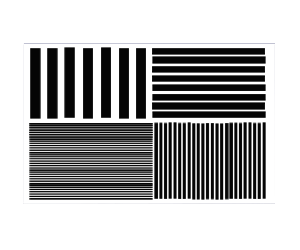
Quality assurance is a critical component of modern nuclear medicine imaging. QA phantoms are specialised test devices used to evaluate the performance, calibration, and image quality of imaging systems such as gamma cameras, PET scanners, and SPECT systems. By simulating predictable imaging conditions, these tools allow medical physicists and clinicians to verify that equipment operates within acceptable performance parameters.
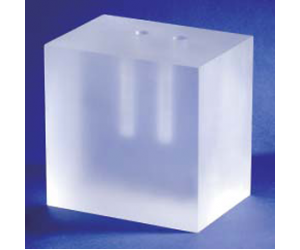 Open product: Model L-840 Dual Source Scatter Phantom
Model L-840 Dual Source Scatter Phantom
The Model L-840 simulates in-vivo scatter conditions required to measure gamma camera deadtime. Deadtime is… Read more
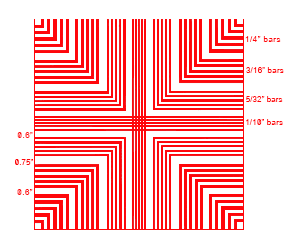 Open product: Model L-890 Gamma Camera Bar Phantom
Model L-890 Gamma Camera Bar Phantom
The Model L-820 and L-890 are ideal for daily/weekly QA checks of scintillation camera performance.… Read more
- Open product: Model L-820 Extra Large Gamma Camera Bar Phantom
Model L-820 Extra Large Gamma Camera Bar Phantom
The Model L-820 is ideal for daily/weekly QA checks of scintillation camera performance. The Bar… Read more
In nuclear medicine departments, consistent image quality is essential for accurate diagnosis, treatment planning, and clinical research. QA phantoms provide a reliable method for performing routine testing, system acceptance verification, and ongoing quality control procedures. They enable healthcare facilities to monitor imaging system performance while avoiding the need to expose patients to unnecessary radiation.
At PEO Medical, we supply QA phantoms designed to support the quality assurance needs of hospitals, imaging centres, research institutions, and medical physics departments. Our solutions help healthcare organisations maintain dependable imaging performance and support regulatory compliance in nuclear medicine environments.
What is QA Phantoms?
QA phantoms are specially designed physical models used to test and evaluate the performance of medical imaging equipment. In nuclear medicine, these phantoms are typically filled with radioactive sources or imaging agents that mimic the behaviour of radiotracers used in clinical scans.
When imaged by a scanner, the phantom produces predictable patterns or structures that allow medical physicists to assess system performance. These tests may evaluate parameters such as image uniformity, spatial resolution, sensitivity, and quantitative accuracy.
Because QA phantoms provide repeatable and controlled testing conditions, they are widely used for routine quality control and system validation. Their use supports consistent imaging performance across nuclear medicine procedures including PET, SPECT, and hybrid imaging systems such as PET/CT.
How QA Phantoms Products Are Used
QA phantoms support a wide range of testing procedures performed by medical physics teams and imaging specialists.
Typical workflows include:
- Routine daily or weekly quality control checks of gamma cameras
- Acceptance testing when new imaging equipment is installed
- Performance verification after system upgrades or maintenance
- Calibration procedures to confirm detector sensitivity
- Image quality analysis for PET and SPECT reconstruction algorithms
- Validation of attenuation and scatter correction methods
Through these tests, departments can confirm that imaging systems produce reliable results and remain aligned with clinical quality assurance protocols.
Applications of QA Phantoms
QA phantoms are used across a wide range of healthcare and research environments.
Hospitals
Nuclear medicine departments use QA phantoms for routine system testing and quality control procedures.
Radiotherapy
Imaging systems used in treatment planning and verification require reliable calibration and performance checks.
Radiology
Hybrid imaging systems such as PET/CT or SPECT/CT require regular QA testing to ensure accurate imaging performance.
Oncology
Accurate functional imaging is essential for tumour detection, staging, and therapy monitoring.
Clinics and Outpatient Centres
Diagnostic imaging centres rely on QA phantoms to maintain consistent imaging quality and meet regulatory requirements.
Diagnostic Laboratories
Research and development laboratories use phantoms to evaluate imaging protocols and validate new imaging technologies.
Nuclear Medicine
Phantoms are fundamental tools for testing gamma cameras, PET scanners, and SPECT systems used in radionuclide imaging.
Key Features and Capabilities
High-quality QA phantoms are designed to support reliable and repeatable testing.
Key features may include:
- High-precision construction for consistent imaging results
- Durable materials, such as acrylic or tissue-equivalent plastics
- Repeatable measurement geometry for reliable QA testing
- Compatibility with PET, SPECT, and gamma camera systems
- Structured inserts for resolution and contrast testing
- Support for image uniformity and sensitivity evaluation
- Modular designs for different testing scenarios
- Ease of setup for routine quality control procedures
- Clear documentation supporting QA protocols
Benefits of Using QA Phantoms
Implementing QA phantoms in imaging departments provides several operational and clinical advantages.
First, they enable consistent and repeatable quality assurance testing, allowing departments to monitor imaging system performance over time. This supports reliable imaging outcomes and stable diagnostic workflows.
Second, QA phantoms help healthcare organisations detect performance issues early, allowing technical teams to address calibration or detector problems before they impact clinical services.
They also support compliance with accreditation and regulatory requirements, which often require documented QA testing procedures.
Finally, these tools help medical physics teams optimise imaging protocols and system calibration, contributing to efficient and reliable imaging operations within nuclear medicine departments.
Choosing the Right QA Phantoms
Selecting the appropriate QA phantom depends on several factors related to the imaging environment and testing objectives.
Important considerations include:
- Type of imaging system (PET, SPECT, gamma camera, or hybrid imaging)
- Specific QA tests required, such as uniformity or resolution testing
- Compliance with recognised standards, including NEMA or IEC protocols
- Compatibility with existing imaging equipment
- Ease of use for routine quality control procedures
- Durability and material quality for repeated testing
- Availability of technical documentation and support
Healthcare facilities may also consider whether the phantom is intended for routine quality control, acceptance testing, or research applications.
Our QA Phantoms Solutions
PEO Medical provides a range of QA phantoms designed for nuclear medicine quality assurance applications. Our portfolio includes phantom solutions suitable for testing imaging systems such as gamma cameras, PET scanners, and SPECT equipment.
Through partnerships with specialised manufacturers including Ludlum Medical Physics, we supply tools used by medical physics teams to evaluate imaging system performance and maintain quality control protocols.
Our QA phantom solutions support testing procedures such as:
- spatial resolution measurement
- detector linearity verification
- imaging uniformity evaluation
- performance verification during system commissioning
These products are suitable for hospitals, imaging centres, research facilities, and clinical equipment commissioning projects.
Why Choose PEO Medical
PEO Medical supports healthcare organisations worldwide with reliable medical equipment and imaging technology solutions.
Key advantages include:
- Extensive experience supplying medical imaging and nuclear medicine equipment
- Partnerships with trusted OEM manufacturers
- Support for hospital procurement teams and medical physics departments
- International logistics and supply for large healthcare projects
- Product guidance to help facilities select suitable equipment
- Solutions tailored for public health systems, NGOs, and private healthcare providers
Our team works closely with healthcare organisations to identify the most appropriate solutions for their imaging and quality assurance needs.
Conclusion
QA phantoms play an essential role in maintaining reliable performance across nuclear medicine imaging systems. By enabling consistent quality assurance testing, these tools help healthcare providers maintain high imaging standards and support accurate diagnostic workflows.
PEO Medical offers a range of QA phantom solutions designed to support hospitals, imaging centres, and research institutions in their nuclear medicine quality assurance programmes.
Explore our product range or contact our team to discuss your requirements for QA phantom solutions.


