Detectors
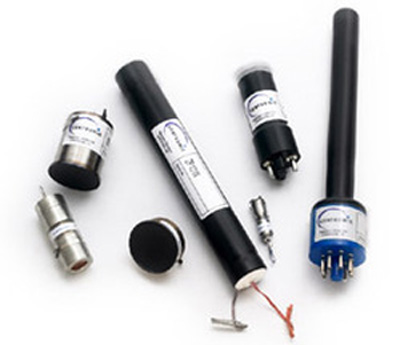
Radiation detectors are essential instruments used to measure and monitor ionising radiation in medical, laboratory, and research environments. In healthcare settings, these devices support safe handling of radioactive materials, enable monitoring of radiation exposure, and assist in maintaining regulatory compliance across nuclear medicine and radiology departments.
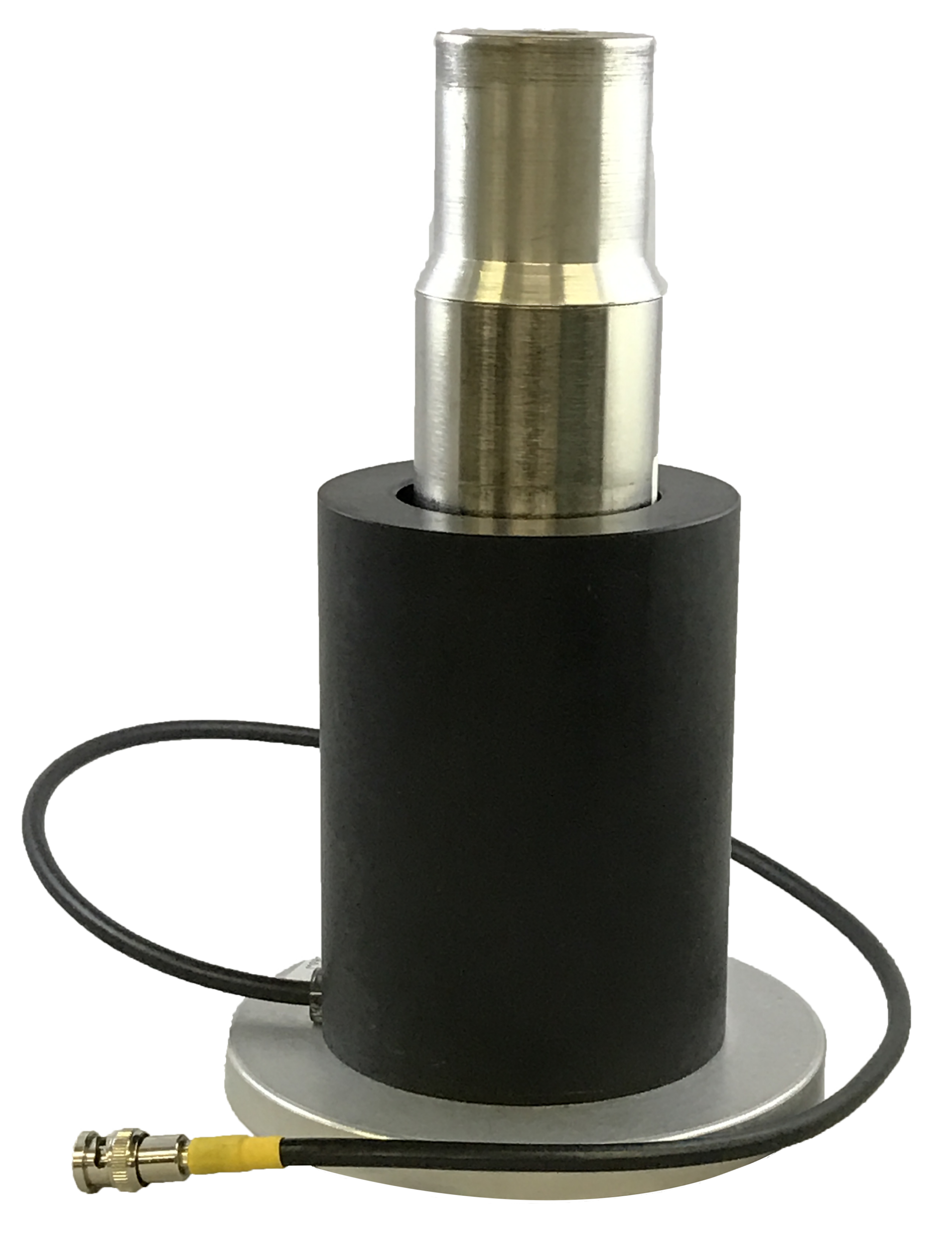 Open product: SP78W – Sodium Iodide Well Detector Assembly
SP78W – Sodium Iodide Well Detector Assembly
The SP78W, complete scintillation well detector assembly includes our SD78W, NaI(Tl) scintillation well detector, TS78-1… Read more
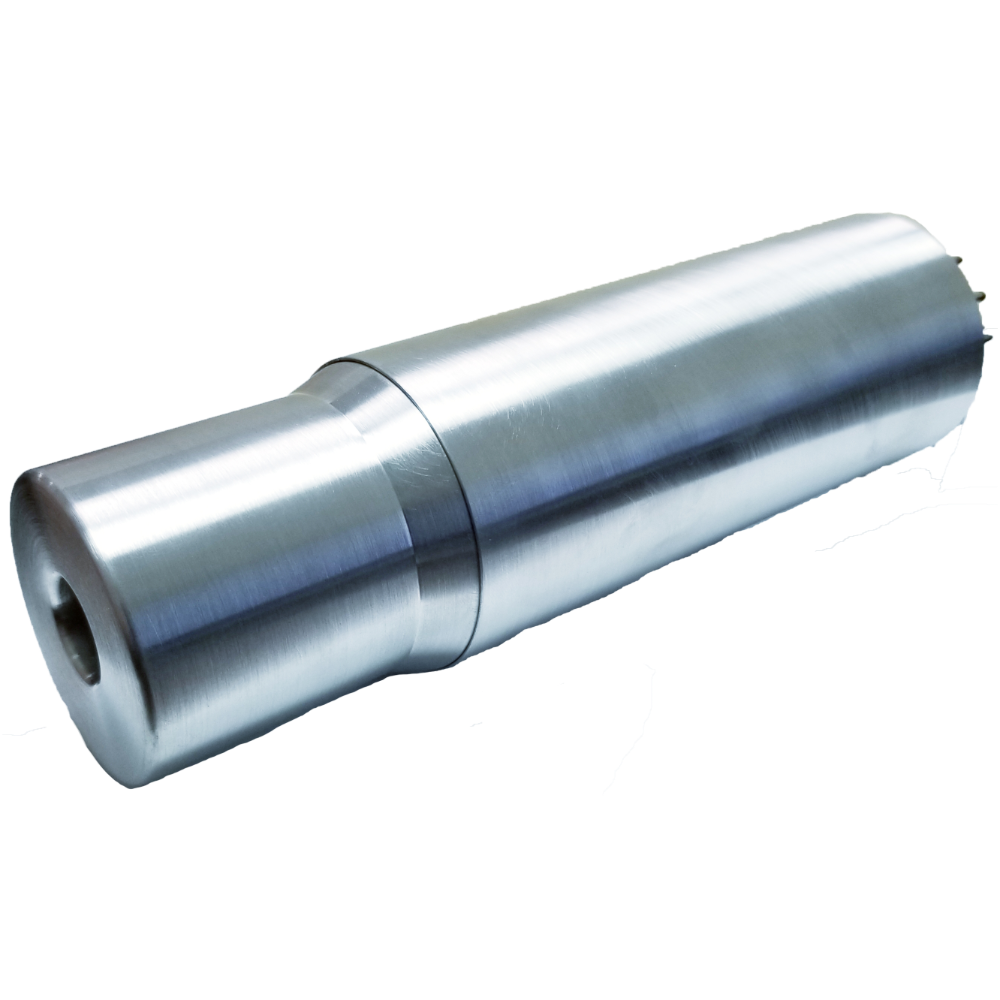 Open product: SD78W – Sodium Iodide well detector
SD78W – Sodium Iodide well detector
The SD78W, sodium iodide (NaI) well scintillator in primarily used for gamma ray assay and… Read more
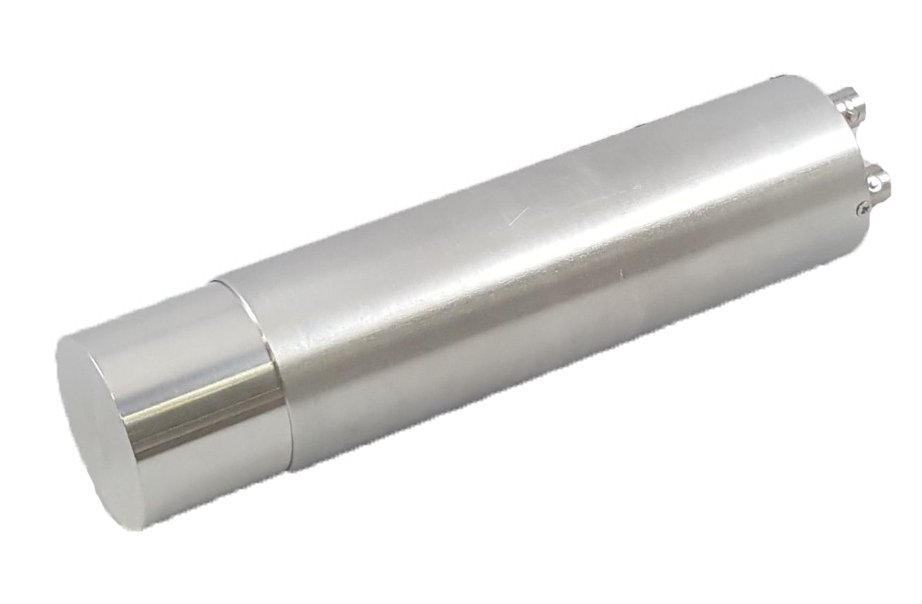 Open product: SDA38 – Sodium Iodide Detector
SDA38 – Sodium Iodide Detector
The SDA38 Sodium Iodide Scintillation Detector features a 1.5 x 1.5 inch NaI(Tl) crystal in… Read more
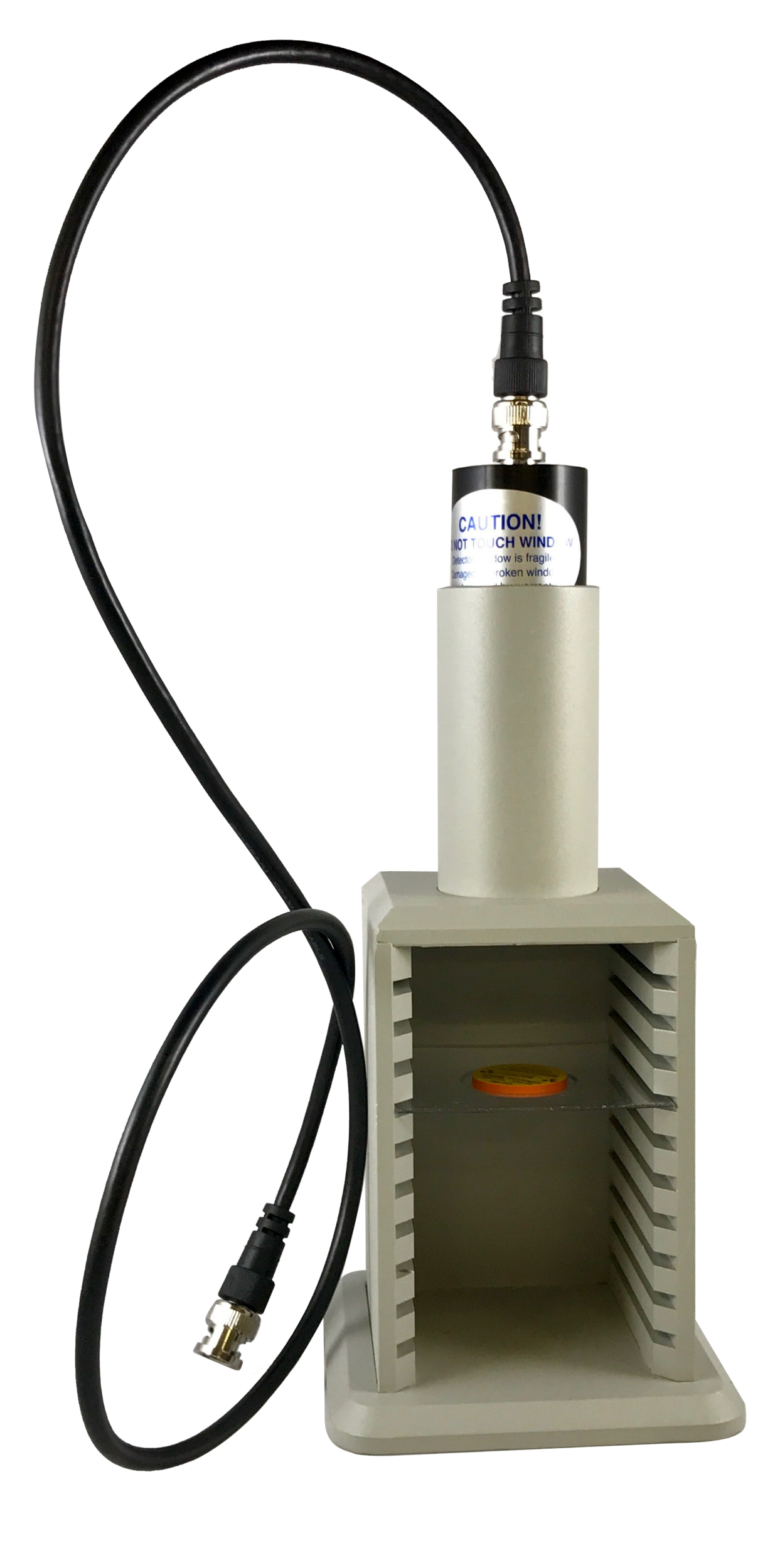 Open product: GP35 – GM DETECTOR ASSEMBLY
GP35 – GM DETECTOR ASSEMBLY
The GP35, complete GM detector assembly includes our GM35, end-window, Geiger-Mueller detector, 3 ft BNC… Read more
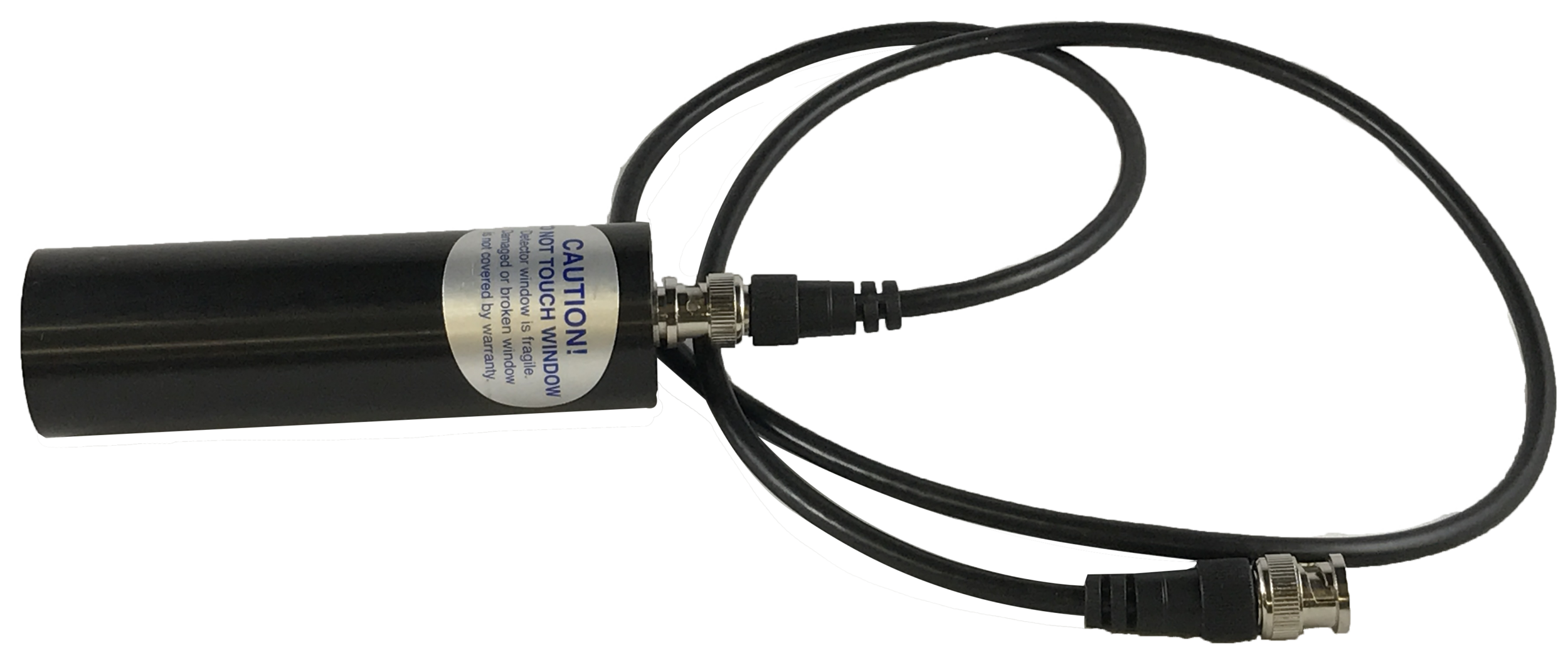 Open product: GM35 – GM Detector
GM35 – GM Detector
The GM35, end-window, Geiger-Mueller detector will detect alpha, beta, and gamma radiation. The thin mica… Read more
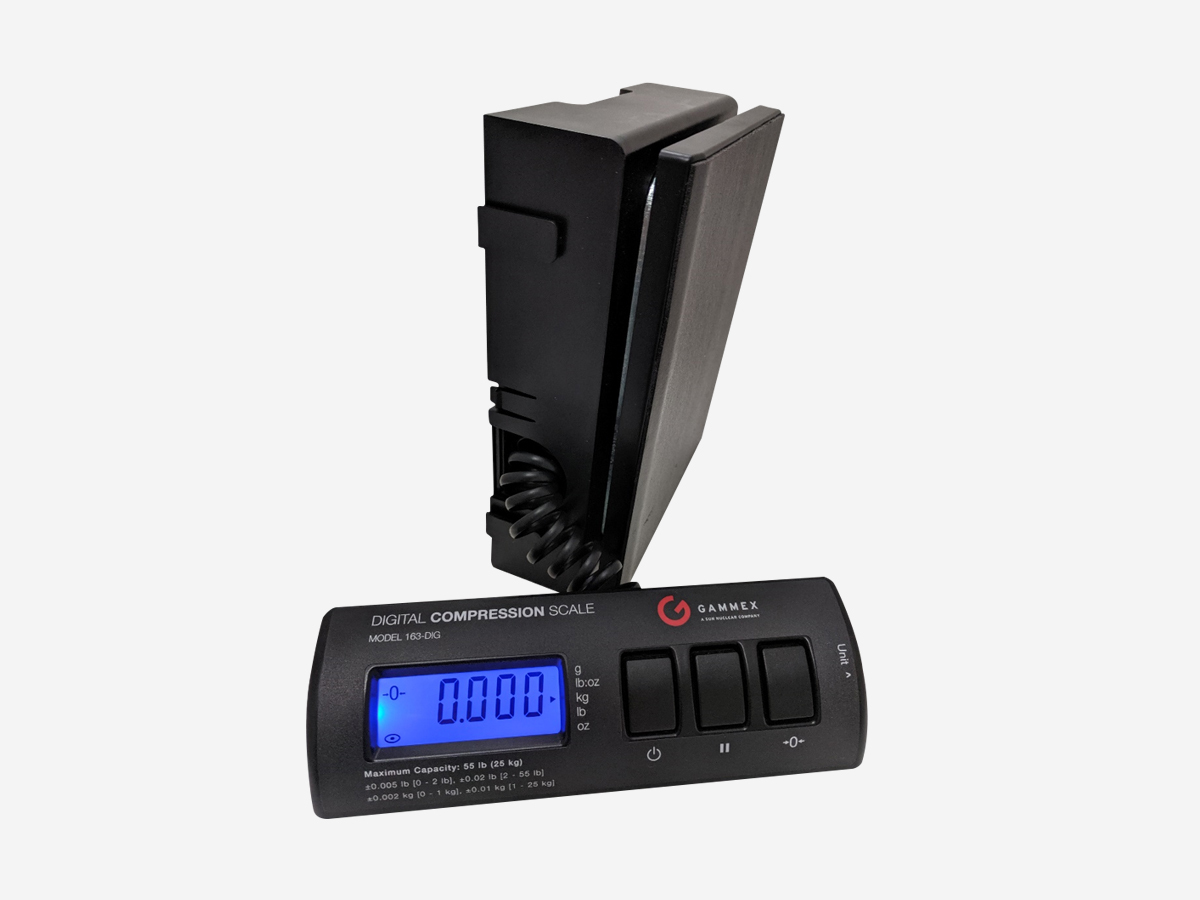 Open product: Mammo Digital Compression Device – Sun Nuclear
Mammo Digital Compression Device – Sun Nuclear
The Mammo Digital Compression Device measures compression force to assure accuracy and reproducibility. The device… Read more
 Open product: Model MA5034 – Portable Blue / Green Sensitometer – Sun Nuclear
Model MA5034 – Portable Blue / Green Sensitometer – Sun Nuclear
For day to day processor quality control, the Gammex MA5034 Portable Blue / Green Sensitometer… Read more
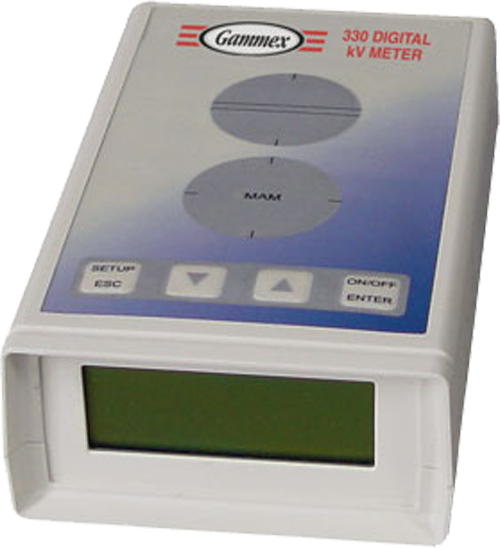 Open product: Model 330 – Digital kV, Dose and Time Meter – Sun Nuclear
Model 330 – Digital kV, Dose and Time Meter – Sun Nuclear
The Gammex 330 Digital kV, Dose and Time Meter is a test device for quality… Read more
Other
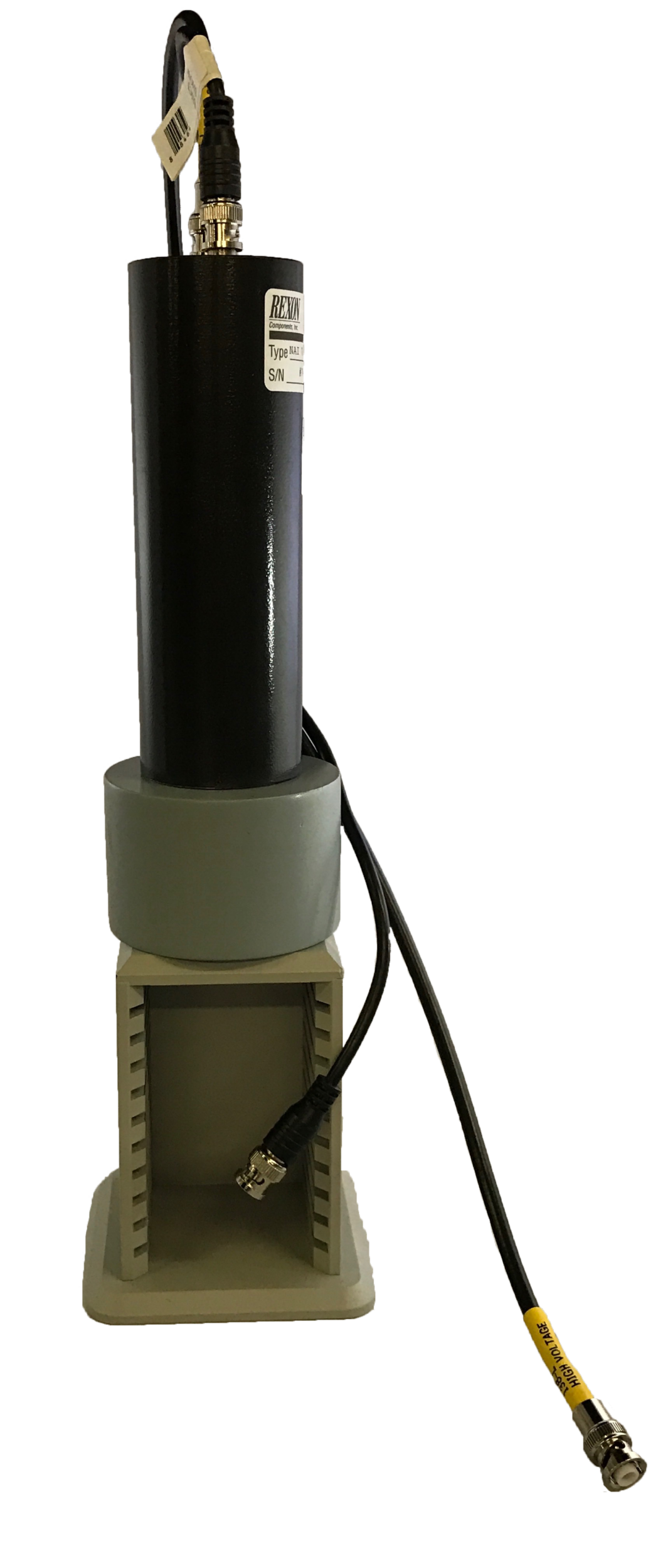 Open product: SPA38 – Sodium Iodide Detector Assembly
SPA38 – Sodium Iodide Detector Assembly
The SPA assembly, when used with our UCS30 spectrometer, offers everything required to set up… Read more
Modern healthcare facilities rely on radiation detectors to identify the presence and intensity of radiation emitted by medical isotopes and imaging equipment. By providing real-time monitoring and accurate measurement of radiation levels, these devices help protect healthcare professionals, patients, and laboratory environments from unnecessary exposure.
PEO Medical supplies a range of radiation detectors designed for healthcare, nuclear medicine, and research applications. Through partnerships with manufacturers such as Spectrum Techniques, Sun Nuclear Corporation, and Polimaster, we provide detection solutions that support radiation safety monitoring, contamination detection, and radiological protection in clinical environments.
What is Detectors?
Radiation detectors are specialised instruments designed to detect and measure ionising radiation such as alpha particles, beta particles, gamma rays, or neutron emissions. These devices convert radiation interactions into measurable electrical signals, allowing users to monitor radiation levels in real time.
In healthcare environments, radiation detectors are used to verify safe radiation levels in areas where radioactive materials are handled, including nuclear medicine departments and radiopharmacies. They also support radiation safety procedures during imaging, therapy preparation, and isotope storage.
Different detector technologies are used depending on the application. Common examples include Geiger-Müller detectors, scintillation detectors, and semiconductor detectors, each offering specific advantages for radiation measurement and monitoring.
How Detectors Products Are Used
Radiation detectors support a wide range of clinical and operational tasks in healthcare environments.
Typical uses include:
- Monitoring radiation levels in nuclear medicine departments
- Detecting radioactive contamination in laboratories
- Measuring dose rates in radiotherapy or imaging areas
- Supporting safe handling of radiopharmaceuticals
- Identifying and locating radioactive sources
- Monitoring radiation exposure during isotope transport
Healthcare facilities rely on these detectors to support radiation protection programmes, helping staff identify potential hazards and maintain safe working conditions when handling radioactive materials.
Applications of Detectors
Radiation detectors are used across multiple healthcare and research sectors.
Hospitals
Hospitals use radiation detectors to monitor radiation levels in nuclear medicine departments, imaging suites, and isotope storage areas.
Radiotherapy
Radiotherapy facilities use radiation monitoring devices to support safe operation of treatment equipment and maintain radiation protection procedures.
Radiology
Diagnostic imaging environments use radiation detectors to monitor radiation exposure and verify safe working conditions for staff.
Oncology
Facilities involved in cancer diagnosis and treatment may use radiation detectors to monitor radioactive tracers or therapeutic isotopes.
Clinics and Outpatient Centres
Outpatient imaging facilities use radiation detection equipment to maintain safe radiation monitoring protocols.
Diagnostic Laboratories
Laboratories involved in radioisotope research and radiopharmaceutical development rely on detectors for contamination monitoring and radiation measurement.
Nuclear Medicine
Nuclear medicine departments frequently use portable radiation detectors to measure radiation levels around patients, imaging systems, and radiopharmaceutical preparation areas.
Key Features and Capabilities
High-quality radiation detectors are designed to provide reliable measurement and ease of use in healthcare environments.
Key features may include:
- Accurate radiation detection and measurement
- Portable and lightweight designs for flexible use
- Clear digital displays for quick readings
- Multi-radiation detection capability (alpha, beta, gamma or neutron)
- Audible and visual alarm systems
- Ergonomic designs for daily use
- Durable construction for hospital environments
- Data recording and digital connectivity
- Long battery life for field or laboratory operation
- Simple calibration and maintenance procedures
Benefits of Using Detectors
Radiation detectors provide essential support for healthcare safety and operational efficiency.
One key benefit is the ability to monitor radiation exposure in real time, helping healthcare teams identify potential hazards quickly and maintain safe working conditions.
These devices also support regulatory compliance and radiation protection programmes, which are essential for facilities handling radioactive materials.
From a procurement perspective, radiation detectors provide long-term value by supporting workplace safety, operational monitoring, and routine compliance checks within clinical and research environments.
By enabling accurate monitoring of radiation levels, detectors contribute to safe workflows in nuclear medicine, radiology, and laboratory settings.
Choosing the Right Detectors
Selecting the appropriate radiation detector depends on the specific requirements of the healthcare facility.
Key factors to consider include:
- Type of radiation to be detected (alpha, beta, gamma, neutron)
- Intended application, such as contamination monitoring or dose measurement
- Portability requirements for mobile or handheld use
- Measurement range and sensitivity
- Ease of calibration and operation
- Compatibility with monitoring software or reporting systems
- Training requirements for staff
- Durability and maintenance needs
- Compliance with national radiation safety standards
Facilities may also consider whether the detector will be used in laboratory, clinical, or environmental monitoring settings.
Our Detectors Solutions
PEO Medical supplies a variety of radiation detection solutions suitable for healthcare, research, and nuclear medicine environments.
Our product range includes detection systems designed for tasks such as:
- radiation monitoring
- contamination detection
- dose rate measurement
- radiological safety monitoring
Through partnerships with established manufacturers including Spectrum Techniques, Sun Nuclear Corporation, and Polimaster, we provide access to detection technologies used in hospitals, laboratories, and radiation safety programmes.
These solutions are suitable for healthcare organisations seeking reliable monitoring tools for nuclear medicine departments, diagnostic imaging facilities, and radiopharmaceutical laboratories.
Why Choose PEO Medical
PEO Medical supports healthcare organisations worldwide with medical technology solutions tailored for clinical and research environments.
Our strengths include:
- Extensive portfolio of medical imaging and radiation monitoring equipment
- Partnerships with trusted global manufacturers
- Experience supporting hospital procurement teams and healthcare projects
- International supply and logistics capabilities
- Technical guidance for equipment selection and implementation
- Support for public health institutions, NGOs, and private healthcare providers
Our team works closely with healthcare organisations to identify equipment solutions that support safe, efficient clinical operations.
Conclusion
Radiation detectors play a vital role in maintaining safety and regulatory compliance across healthcare environments that work with radioactive materials. From nuclear medicine departments to research laboratories, these instruments provide reliable monitoring and measurement of radiation levels.
PEO Medical offers a range of radiation detection solutions designed to support hospitals, laboratories, and clinical facilities in maintaining effective radiation safety programmes.
Explore our detector solutions or contact our team to discuss the most suitable options for your healthcare facility.


