QA Measurement Systems
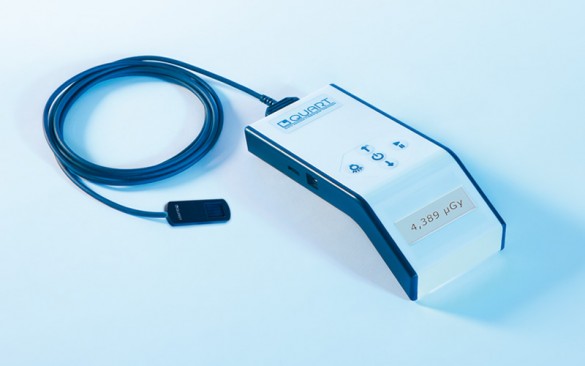
QA measurement systems are essential for maintaining the performance, consistency and safety of diagnostic imaging equipment. In radiology departments, imaging centres and biomedical engineering workflows, QA measurement systems are used to check whether X-ray equipment is operating within expected parameters and whether routine quality control procedures are being completed accurately. For hospitals and healthcare buyers, these systems support dependable imaging services, structured maintenance programmes and clear technical documentation.
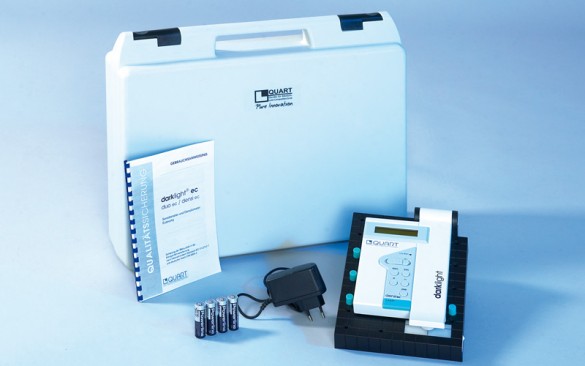 Open product: Darkscan duo ref
Darkscan duo ref
Calibrated Reference Sensitometer and Scanning Densitometer The darkscan duo ref is a high-precision combination of… Read more
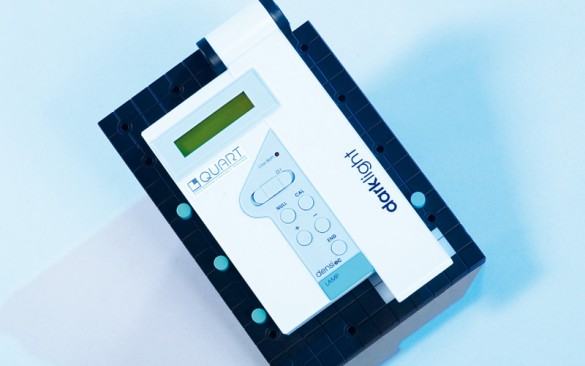 Open product: Darklight duo
Darklight duo
Routine Test Sensitometer and Densitometer The darklight duo devices fulfil all requirements of the IEC… Read more
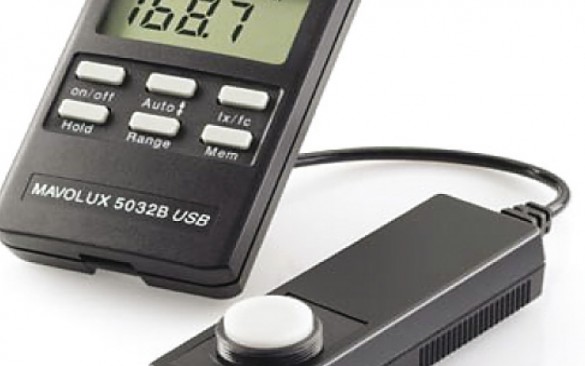 Open product: MaVo_lux C Base
MaVo_lux C Base
Ambient Light Meter The MaVo_lux C Base light meter is a single-purpose device primarily for… Read more
- Open product: MaVo_lux 5032B
MaVo_lux 5032B
Medical Light and Luminance Meter The MaVo_lux 5032B light and luminance meter was developed specifically… Read more
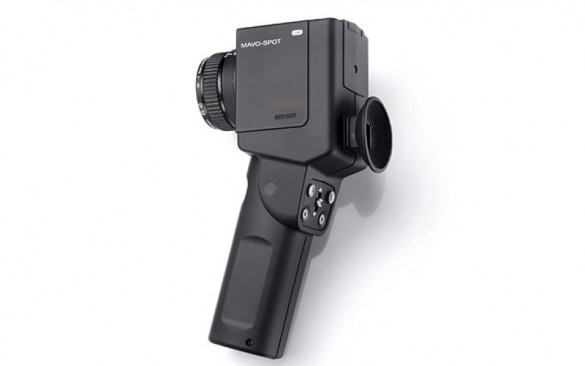 Open product: MaVo_spot
MaVo_spot
Precision Light and Luminance Meter The MaVo_spot USB is a precision instrument for specific requirements… Read more
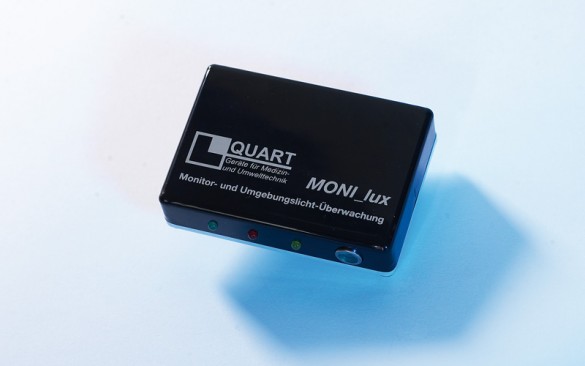 Open product: QUART MONI_lux
QUART MONI_lux
QUART MONI_lux The QUART MONI_lux is designed for real-time monitoring of light and ambient light… Read more
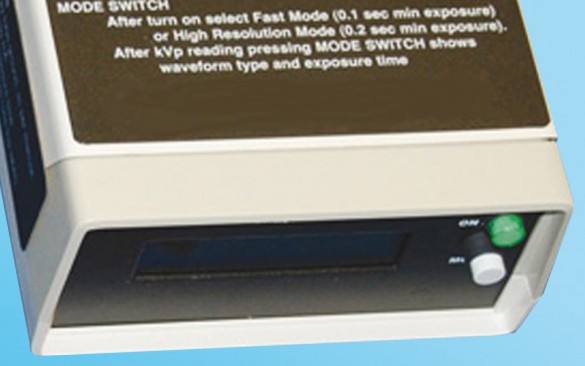 Open product : K2
K2
Basic kVp and Timer Meter The meter enables non-invasive measurement of tube current and exposure… Read more
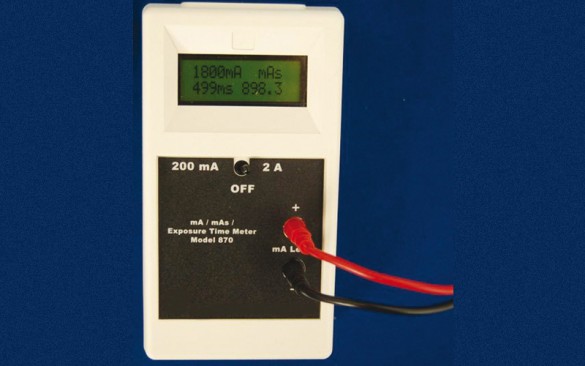 Open product: MAS1
MAS1
Basic mA/mAs and Timer Meter The meter measures the tube current of x-ray generators and… Read more
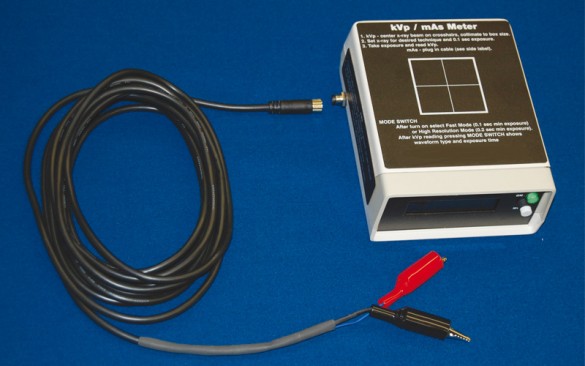 Open product: MAK1
MAK1
Basic mAs/kVp/Timer Meter The meter combines two instruments into one unit: kVp and mAs in… Read more
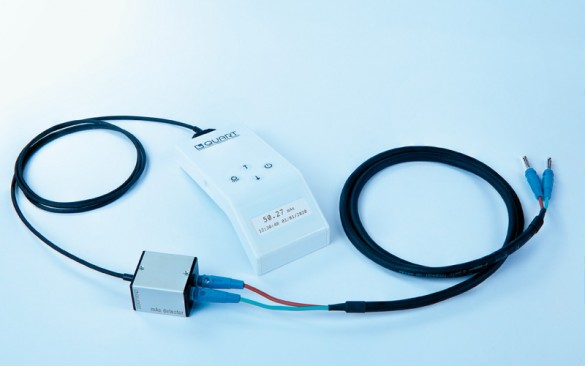 Open product: QUART didoMAS
QUART didoMAS
Real-Time mA/mAs Meter The QUART didoMAS meters automatically set the range of measurement. No pre-setting… Read more
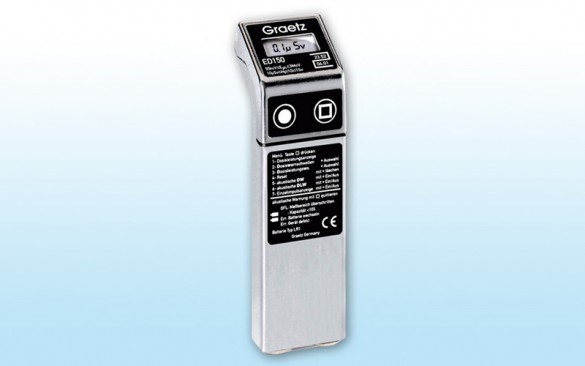 Open product: ED 150
ED 150
Electronic Personal Dose Meter w/ Dose Rate Indicator and Alarm Function The ED150 is a… Read more
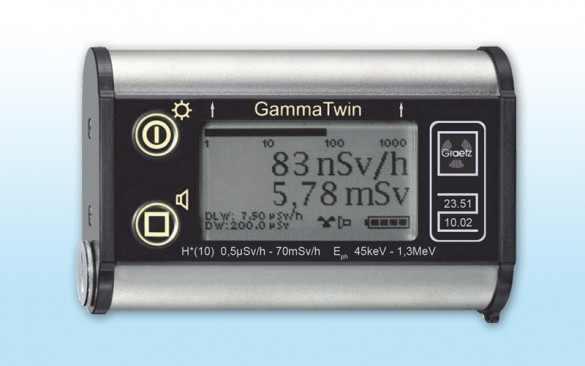 Open product: Gamma Twin
Gamma Twin
Compact Dose Rate Meter The Gamma Twin is a PTB-approved dose rate meter for the… Read more
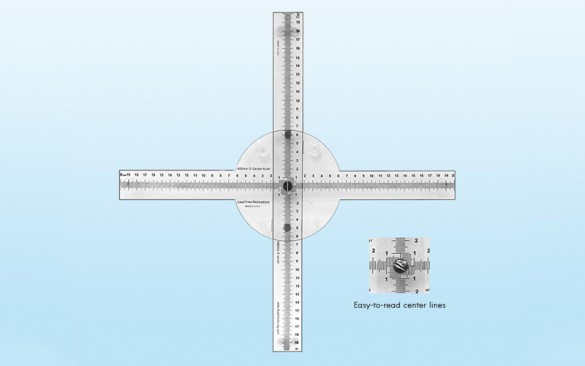 Open product: X-Ray Ruler
X-Ray Ruler
Cross Shaped Radiopaque X-Ray Ruler Set of 440 mm “0” center cross-shaped rulers on a… Read more
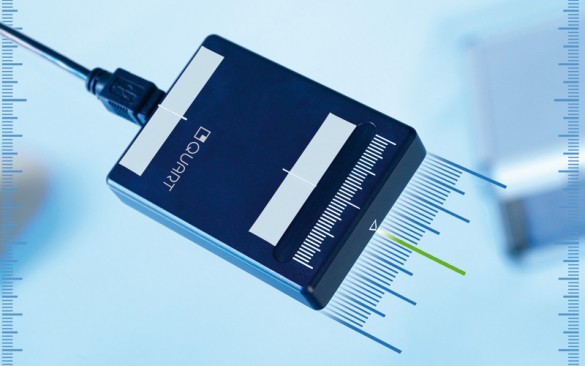 Open product: QUART nonius
QUART nonius
Direct Electronic X-Ray Ruler for Field and Fan-Beam Measurement The QUART nonius is an easy-to-use… Read more
- Open product: QUART dido/time M
QUART dido/time M
Routine Test Dosemeter for Mammography QA/QC 25-35 kV The QUART dido/time meters are designed for… Read more
- Open product: QUART dido/time RF
QUART dido/time RF
Routine Test Dosemeter for X-Ray and Fluoro QA/QC 50-150 kV The QUART dido/time meters are… Read more
- Open product: QUART dido/time R
QUART dido/time R
Routine Test Dosemeter for X-Ray QA/QC 50-150 kV The QUART dido/time meters are designed for… Read more
- Open product: didoEASY M / didoEASY+ M / didoEASY++ M
didoEASY M / didoEASY+ M / didoEASY++ M
Dosemeter Series for X-Ray Service and QA in Mammography The QUART didoEASY meters are designed… Read more
- Open product: didoEASY R / didoEASY+ R / didoEASY++ R
didoEASY R / didoEASY+ R / didoEASY++ R
Dosemeter Series for X-Ray Service and QA in R&F and Dental The QUART didoEASY meters… Read more
This category includes tools used to measure key imaging and radiation parameters such as dose, dose rate, exposure time, kVp and HVL, as well as systems used for constancy testing, alignment and broader X-ray quality assurance. Competitor product ranges from QUART, PTW and RaySafe show strong demand for measurement platforms covering radiography, fluoroscopy, mammography and CT, often with multi-parameter capability and workflow-focused design.
At PEO Medical, QA measurement systems for diagnostic imaging are intended to support hospitals, clinics, project buyers and technical teams seeking reliable tools for radiology quality control and imaging equipment verification.
What is QA Measurement Systems?
QA measurement systems are devices and related software used to verify the technical performance of diagnostic imaging equipment. In practical terms, they help clinical engineering and radiology teams measure output, exposure conditions and image-related test parameters so that imaging systems can be checked as part of routine quality assurance.
Depending on the application, these systems may be used for routine constancy testing, preventive maintenance, acceptance testing, service-level diagnostics or regulatory quality control programmes. Competitor products in this space include X-ray multimeters, dosemeters, survey meters, alignment tools and modality-specific sensors for radiography, fluoroscopy, mammography and CT.
How QA Measurement Systems Products Are Used
QA measurement systems are used during routine imaging equipment checks and structured technical workflows. A biomedical engineer or imaging physicist may use them to measure dose, dose rate, kVp, HVL, exposure time or pulse characteristics, often during scheduled quality control or service procedures.
In many environments, the objective is to confirm that the imaging system is producing stable, repeatable output and that parameters remain within the facility’s testing criteria. Some systems are designed to collect several values in a single exposure, which can make routine QA more efficient. PTW’s NOMEX Multimeter, for example, is positioned around single-exposure capture of dose, dose rate, kVp, HVL and total filtration, while RaySafe highlights one-exposure workflows and orientation-independent sensors for several modalities.
Applications of QA Measurement Systems
Hospitals
Hospitals use QA measurement systems to support radiology quality control, preventive maintenance and equipment acceptance workflows across multiple imaging rooms.
Radiotherapy
Although this category is focused on diagnostic imaging, selected X-ray QA tools may also be relevant where imaging systems support treatment planning or image-guided workflows.
Radiology
Radiology is the main application area. These systems are used for routine checks on X-ray, fluoroscopy, mammography and sometimes CT equipment.
Oncology
Oncology departments using diagnostic imaging to support cancer pathways may require reliable radiology QA tools as part of broader imaging governance.
Clinics and outpatient centres
Private clinics, outpatient imaging centres and smaller facilities often use compact QA measurement systems to support regular constancy testing and service checks.
Diagnostic laboratories
Technical and imaging laboratories use QA systems for validation, comparison testing, research and training.
Nuclear Medicine
Where hybrid imaging or radiation measurement workflows overlap with radiology quality control, selected measurement tools may support broader technical oversight.
Key Features and Capabilities
- Easy-to-use workflows for routine quality assurance and service checks
- Reliable multi-parameter measurement of dose, dose rate, kVp, HVL and exposure time
- Durable construction for regular technical use
- Portable designs for use across multiple rooms or sites
- Digital storage and reporting support for QA records
- Modality-specific options for radiography, fluoroscopy, mammography and CT
- Alignment and field verification capability where required
- Sensitive measurement performance for repeatable results
- Efficient setup to support clinical workflow continuity
- Compatibility with broader imaging QA and maintenance programmes
These priorities reflect market positioning from QUART, PTW and RaySafe, all of which emphasise measurement breadth, repeatability, portability and routine QA practicality.
Benefits of Using QA Measurement Systems
QA measurement systems help healthcare organisations run more consistent diagnostic imaging quality programmes. By supporting routine measurement and documentation, they can make it easier for teams to identify performance drift, carry out scheduled checks and maintain structured technical records.
They also support operational efficiency. Systems that measure multiple parameters in one exposure or use straightforward sensor placement can help reduce testing time during maintenance and QA sessions. RaySafe and PTW both position their products around simplified measurement and efficient workflows, which reflects a practical need in busy clinical environments.
From a procurement perspective, these tools offer long-term value when they align well with the modalities used in the facility, are easy for technical staff to adopt, and fit broader maintenance and calibration strategies.
Choosing the Right QA Measurement Systems
Selecting the right QA measurement systems starts with the intended use. Some departments need tools mainly for routine constancy checks, while others need more advanced multimeters and modality-specific sensors for service diagnostics, acceptance testing or mammography and CT applications.
Facility type is also important. A large hospital with radiography, fluoroscopy and mammography rooms may need broader modality coverage than a smaller outpatient clinic. Buyers should also review throughput, portability, reporting features and compatibility with current maintenance workflows.
Technical specifications matter as well. Parameters such as measurable kV range, dose capability, pulse handling, storage capacity and recalibration intervals can all affect suitability. QUART, for example, highlights biannual recalibration cycles and memory storage on some systems, while RaySafe focuses on intelligent processing and multi-modality sensor options.
Training, servicing, calibration support and regulatory expectations should also be considered during procurement, particularly for hospitals and public-sector buyers that need dependable long-term support.
Our QA Measurement Systems Solutions
PEO Medical’s QA measurement systems category for diagnostic imaging is aligned with healthcare environments that require dependable X-ray quality assurance and radiation measurement workflows. With partners such as QUART and Gossen Metrawatt, this category is suited to buyers looking for tools that support radiology quality control, equipment verification and technical maintenance across diagnostic imaging services.
Based on the partner focus and broader market structure, solutions in this category may include:
- X-ray multimeters and dosemeters
- constancy test meters
- mammography and fluoroscopy QA tools
- radiation measurement instruments
- field alignment and verification accessories
- complementary quality control and reporting components
This gives procurement teams a practical framework for comparing solutions by modality, workflow type and technical requirement.
Why Choose PEO Medical
PEO Medical supports hospitals, clinics, healthcare distributors, NGOs and project buyers with medical equipment across radiotherapy, diagnostic imaging, radiology, nuclear medicine, laboratory and specialist care environments. For diagnostic imaging QA, that broader experience is valuable because buyers often need equipment that fits into larger infrastructure, service and procurement plans.
Healthcare organisations choose PEO Medical for:
- broad medical supply capability across multiple specialties
- experience supporting hospitals and healthcare projects
- international sourcing and delivery support
- product expertise for diagnostic imaging and technical quality control
- support for public and private healthcare buyers
- consultative guidance for equipment selection and procurement
Conclusion
QA measurement systems are an important part of diagnostic imaging quality assurance. They help radiology departments, biomedical engineering teams and healthcare providers verify equipment performance, support routine quality control and maintain reliable imaging services.
PEO Medical supplies QA measurement systems for diagnostic imaging buyers seeking practical, professional solutions for X-ray and radiology QA workflows. Explore the products in this category or contact PEO Medical for guidance on choosing the right system for your facility.


