Neutron detectors
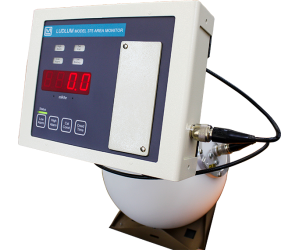
Neutron detectors play an important role in radiation monitoring and protection within specialised healthcare and research environments. Hospitals, medical physics departments, nuclear medicine facilities, and research laboratories may encounter neutron radiation when working with high-energy radiation sources or advanced medical technologies. Reliable neutron detectors help ensure that radiation protection programmes can accurately monitor neutron exposure and maintain safe working conditions.
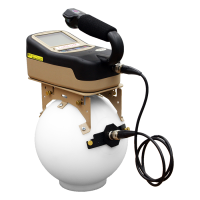
Neutron radiation differs from other forms of ionising radiation such as X-rays or gamma rays, requiring specialised detection equipment designed to measure neutron flux and dose equivalent levels. In healthcare environments, neutron monitoring supports occupational safety by helping radiation protection teams assess exposure levels and implement appropriate control measures.
PEO Medical supplies neutron detectors from trusted manufacturers such as Ludlum Medical Physics (LMP). These systems are designed for professional radiation monitoring applications and support healthcare organisations, laboratories, and research facilities in maintaining safe radiation management practices.
What is Neutron Detectors?
Neutron detectors are specialised radiation detection instruments designed to identify and measure neutron radiation. Unlike charged particles or photons, neutrons have no electric charge, which means they require specific detection technologies to measure their presence and energy levels.
Neutron detection instruments often use moderated detectors, proportional counters, or scintillation technologies to detect interactions between neutrons and detector materials. These interactions allow the instrument to measure neutron flux, dose equivalent, or neutron count rates.
In healthcare and medical research environments, neutron detectors are commonly used as part of radiation protection systems to monitor neutron radiation fields generated by high-energy equipment or research sources. These instruments help medical physicists and radiation safety officers evaluate environmental radiation levels and support safe operational procedures.
How Neutron Detectors Products Are Used
Neutron detectors are typically used within radiation monitoring workflows designed to protect staff working in environments where neutron radiation may be present.
In healthcare and research settings, neutron monitoring may involve:
- Measuring neutron radiation levels near high-energy radiation equipment
- Monitoring radiation fields in treatment or research facilities
- Supporting radiation safety surveys and environmental monitoring
- Verifying shielding effectiveness in controlled radiation areas
- Recording neutron dose equivalent rates for safety assessments
Radiation safety teams and medical physicists use neutron detection equipment to evaluate potential neutron exposure and ensure that radiation protection protocols are properly implemented.
Applications of Neutron Detectors
Neutron detection systems can support several specialised healthcare and research environments.
Hospitals
Radiation safety teams use neutron detectors to monitor radiation environments associated with specialised equipment.
Radiotherapy
High-energy linear accelerators may produce secondary neutron radiation, requiring monitoring within treatment facilities.
Radiology
Advanced imaging or research systems may require environmental radiation monitoring in controlled areas.
Oncology
Cancer treatment facilities implementing advanced radiotherapy techniques may require neutron radiation monitoring as part of safety programmes.
Clinics and outpatient centres
Specialised imaging or therapy facilities may include radiation monitoring as part of operational safety procedures.
Diagnostic laboratories
Research laboratories working with radiation sources or nuclear instrumentation may require neutron detection capabilities.
Nuclear Medicine
Facilities handling radioactive materials or conducting radiation research may require environmental neutron monitoring as part of broader radiation protection systems.
Key Features and Capabilities
Neutron detectors designed for professional radiation monitoring typically offer features that support reliable use in healthcare and research environments:
- Sensitive neutron radiation detection across relevant energy ranges
- Reliable measurement of neutron dose equivalent rates
- Robust detector technologies such as moderated proportional counters or scintillation detectors
- Portable instrument design for radiation safety surveys and monitoring tasks
- Clear digital displays and measurement indicators
- Compatibility with radiation survey workflows used by medical physicists
- Durable construction for laboratory and clinical environments
- Calibration support to maintain measurement accuracy
- Integration with radiation protection monitoring programmes
Benefits of Using Neutron Detectors
Healthcare organisations and research facilities benefit from neutron detection equipment in several ways.
Enhanced radiation safety monitoring
Neutron detectors allow radiation protection teams to monitor neutron radiation fields that may not be detected by conventional photon detectors.
Support for occupational safety programmes
Monitoring neutron exposure helps organisations maintain safe working conditions for staff operating high-energy radiation equipment.
Improved facility radiation assessments
Radiation safety officers can perform detailed environmental surveys and shielding evaluations.
Reliable operational monitoring
Routine neutron monitoring supports safe facility operation and radiation protection procedures.
Support for regulatory compliance
Accurate radiation monitoring data helps organisations maintain appropriate safety documentation and reporting practices.
Choosing the Right Neutron Detectors
Selecting appropriate neutron detectors requires careful evaluation of operational requirements and technical specifications.
Intended application
Determine whether the detector will be used for environmental monitoring, radiation surveys, or facility safety assessments.
Energy response range
Different neutron detectors are designed to measure specific neutron energy ranges, including thermal or fast neutrons.
Portability and survey requirements
Portable detectors may be necessary for radiation surveys across multiple areas of a facility.
Ease of operation
Devices should be straightforward for trained radiation protection personnel to operate.
Calibration and servicing
Regular calibration is important to maintain reliable radiation measurements.
Compatibility with existing monitoring systems
Facilities may require detectors that integrate with their radiation protection infrastructure.
Training requirements
Ensure staff responsible for radiation monitoring are trained to operate detection equipment correctly.
Our Neutron Detectors Solutions
PEO Medical supplies neutron detection equipment from Ludlum Medical Physics (LMP), a manufacturer recognised for radiation monitoring instrumentation used in medical, laboratory, and research environments.
These neutron detectors are designed to support radiation safety professionals performing environmental monitoring, radiation surveys, and facility safety assessments.
Depending on operational requirements, solutions may include portable survey instruments, moderated neutron detectors, and monitoring devices designed for specialised radiation measurement tasks.
Our team works with healthcare organisations and research institutions to help identify neutron detection solutions suitable for their radiation monitoring programmes.
Why Choose PEO Medical
PEO Medical supports healthcare institutions and research facilities with specialised medical equipment and radiation monitoring technologies.
Key advantages include:
- Experience supporting hospitals, laboratories, and medical physics departments
- Access to trusted radiation detection manufacturers
- Expertise in nuclear medicine, radiology, and radiotherapy equipment
- International sourcing and logistics capabilities
- Procurement support for government, NGO, and healthcare infrastructure projects
- Guidance in selecting appropriate radiation monitoring solutions
Our team works closely with healthcare procurement teams, biomedical engineers, and radiation safety specialists to support effective equipment selection.
Conclusion
Neutron detectors are essential instruments for radiation monitoring in specialised healthcare and research environments where neutron radiation may be present. Accurate neutron detection supports radiation protection programmes, facility safety assessments, and safe operation of advanced medical technologies.
PEO Medical supplies neutron detection solutions from established manufacturers, supporting hospitals, laboratories, and medical research facilities worldwide.
Explore our available neutron detector products or contact our team to discuss suitable solutions for your radiation monitoring requirements.


