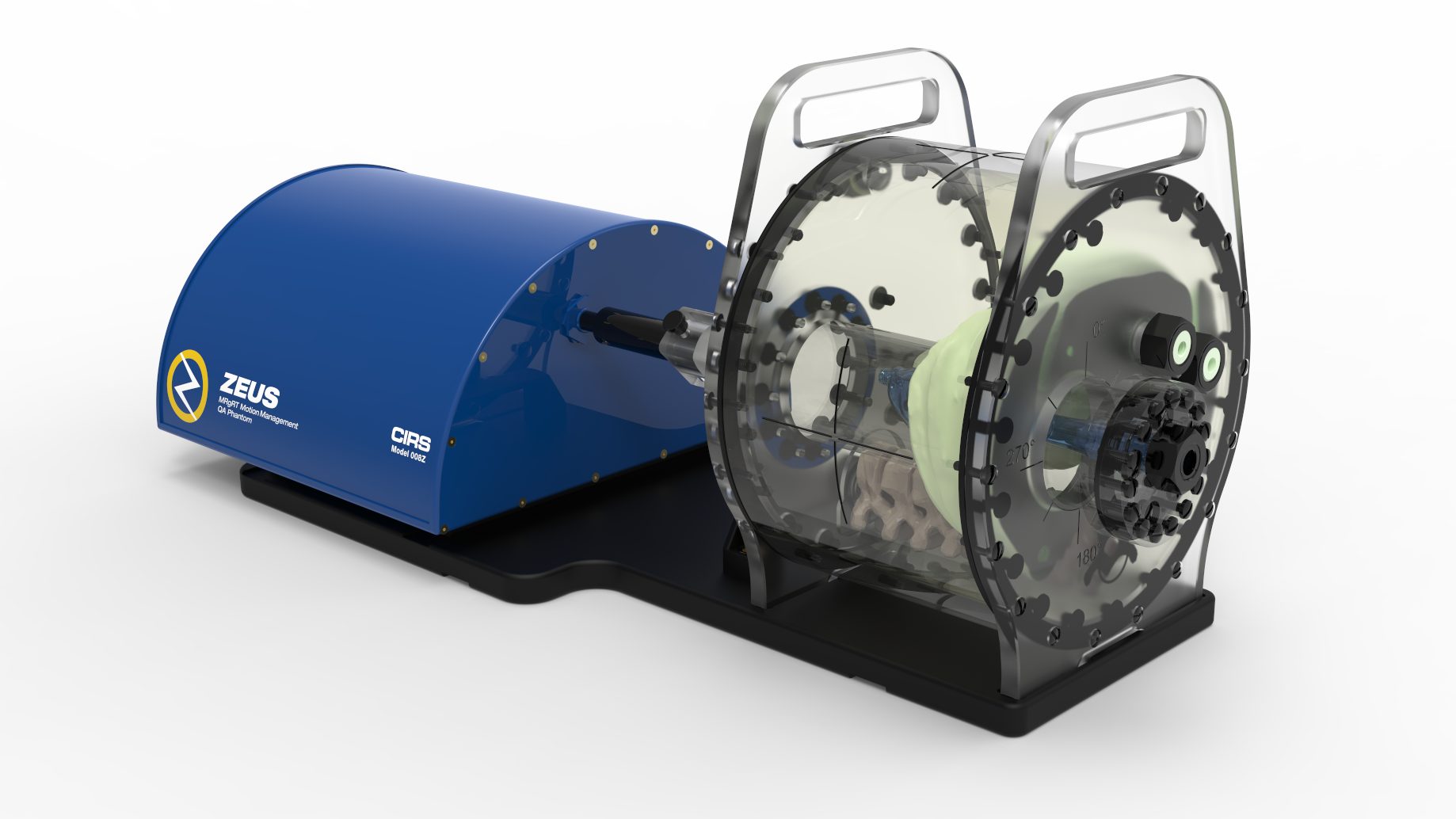
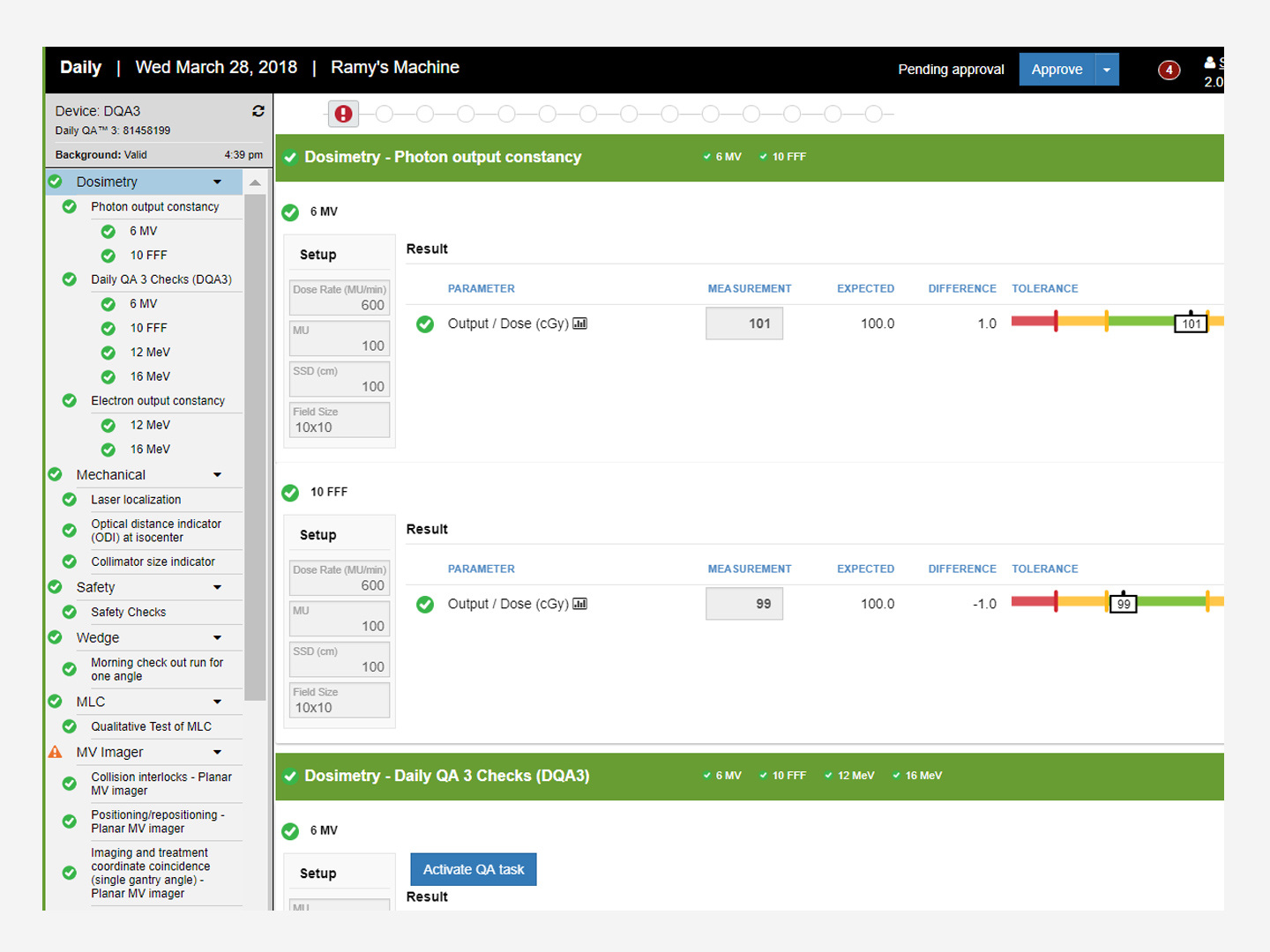
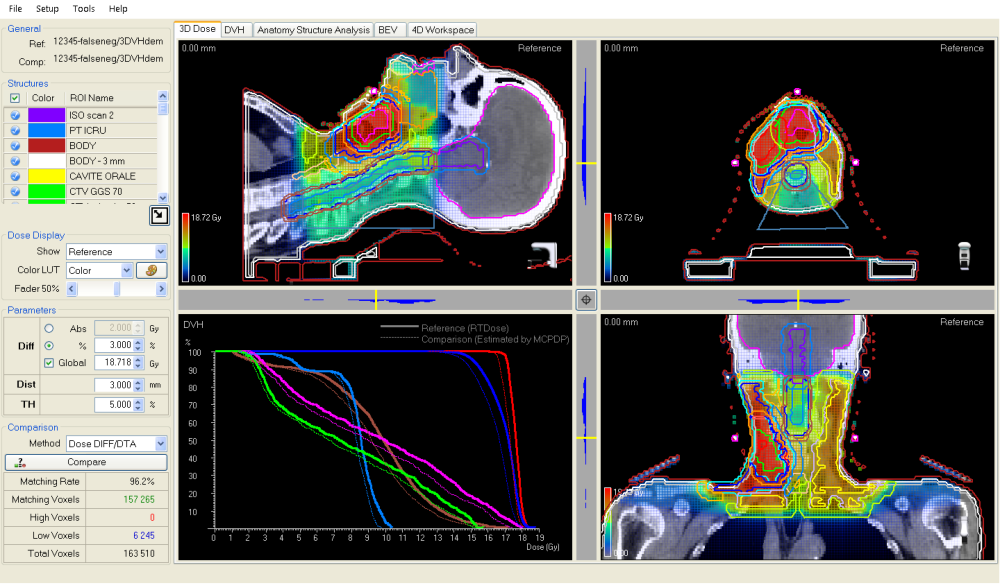
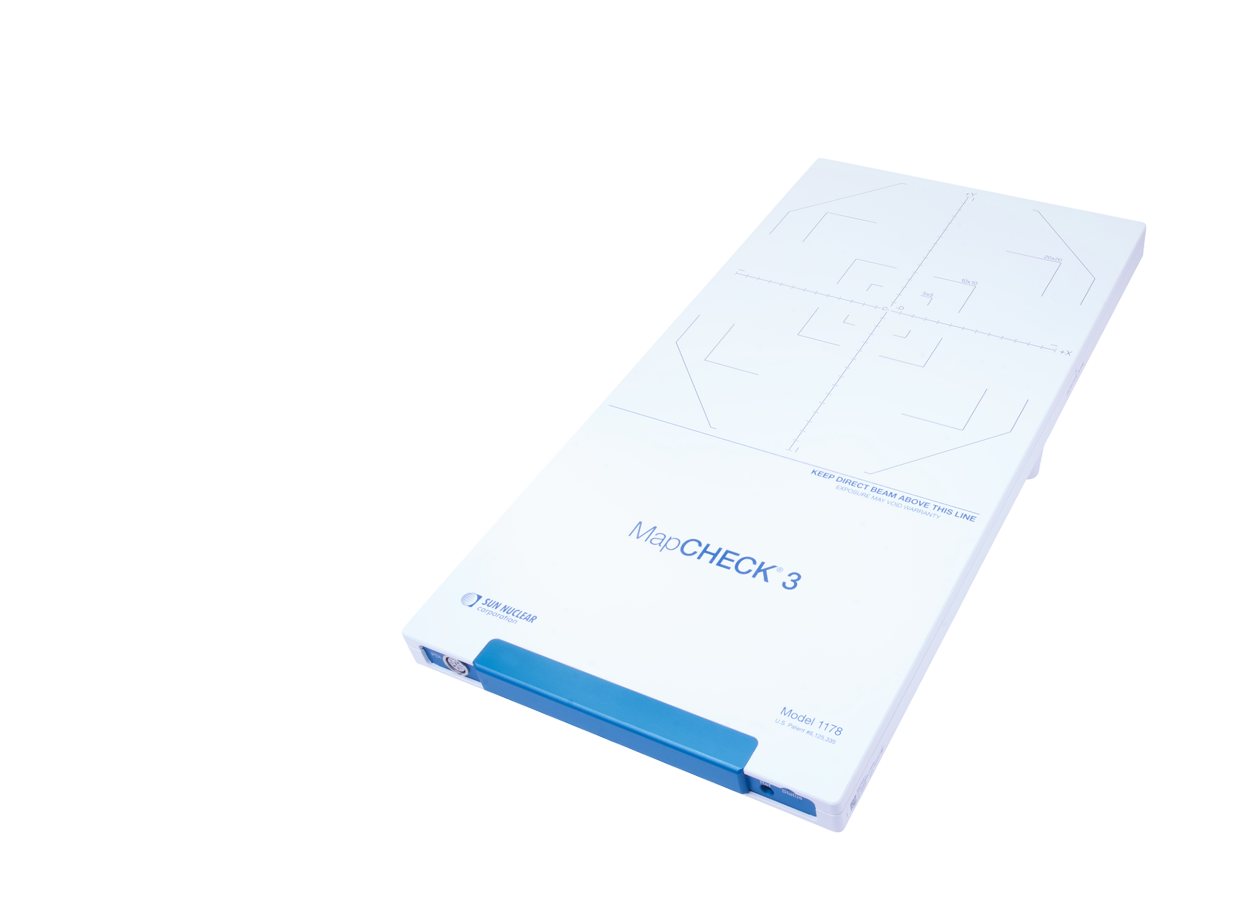
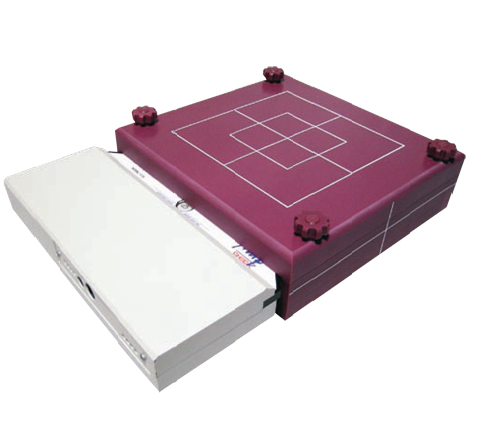
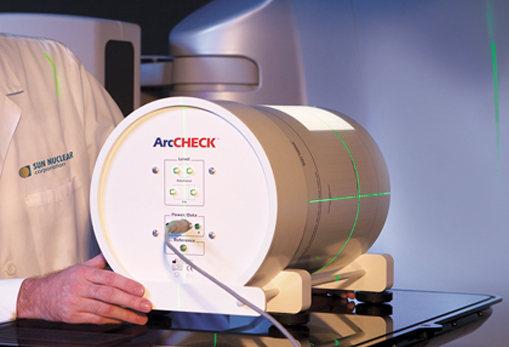
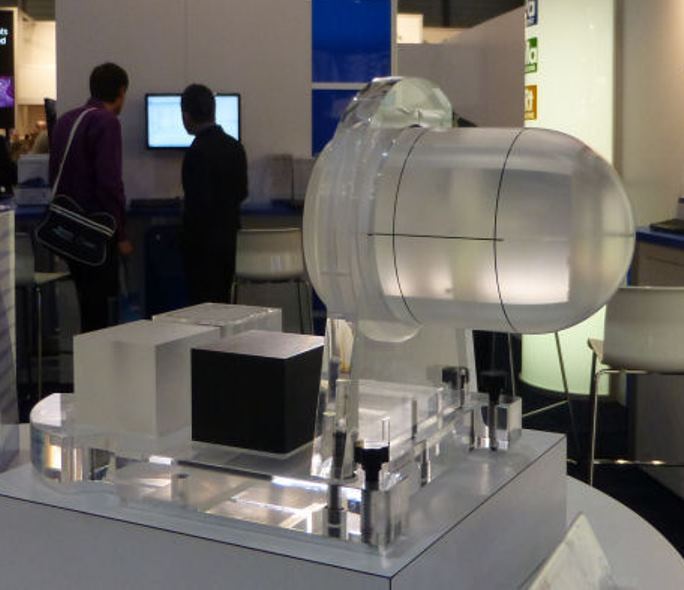
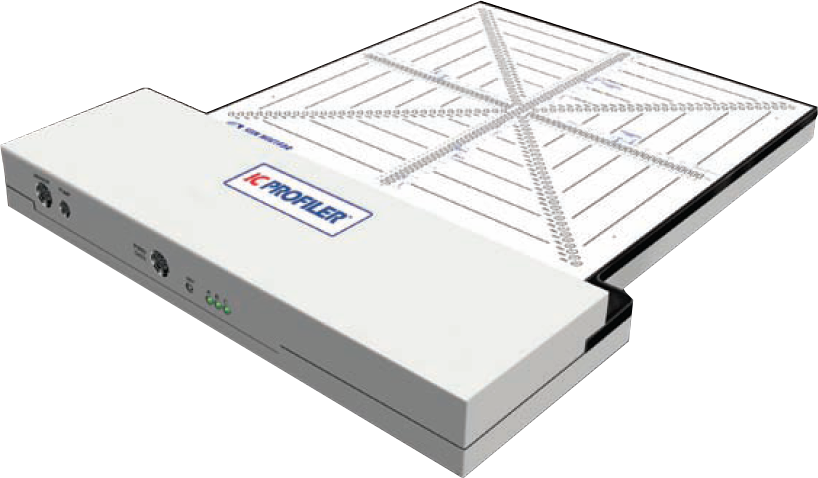
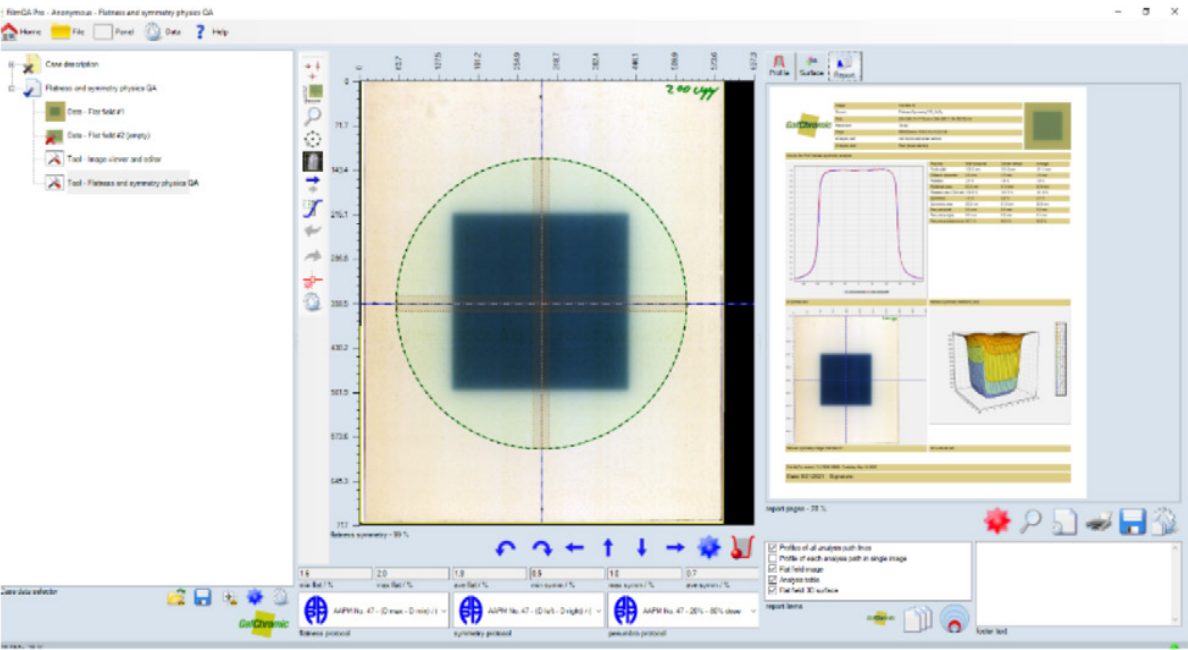
For procurement teams and technical stakeholders, QA measurement systems cover a broad range of products, including detector arrays, phantoms, software platforms and film-based analysis tools. These solutions are used for daily machine checks, treatment plan verification, stereotactic QA, commissioning and workflow review. PEO Medical’s current category already includes Sun Nuclear systems such as SunCHECK Machine, ArcCHECK 4D, IC Profiler and StereoPHAN, alongside Ashland’s FilmQA Pro software, showing a portfolio that spans machine QA, patient QA, beam analysis and film-based verification.
What is QA Measurement Systems?
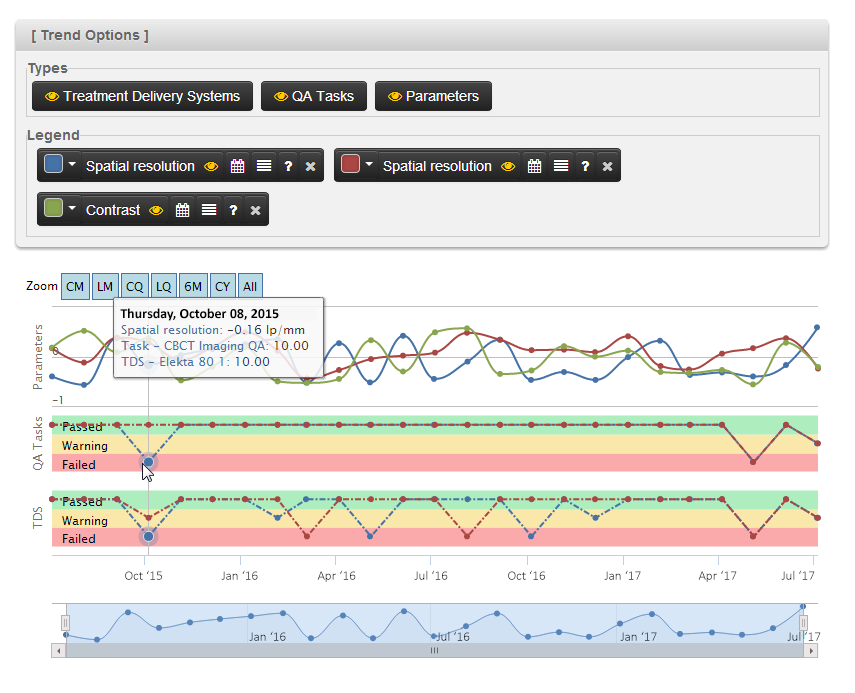
QA measurement systems are products and software used to measure, analyse and document the performance of radiotherapy equipment and associated treatment workflows. In clinical practice, they help medical physics teams check whether treatment machines are operating within expected parameters and whether planned treatments can be verified using structured QA methods.
This category typically includes machine QA systems for routine performance checks, patient QA systems for plan verification, phantoms for setup and testing, detector-based devices for beam measurement, and software platforms for data review and reporting. Competitor product structures from PTW, IBA and Standard Imaging show that this category commonly spans daily QA, monthly QA, patient QA, imaging QA and QA data management.
How QA Measurement Systems Products Are Used
QA measurement systems are used throughout the radiotherapy workflow to support technical verification and repeatable quality control procedures.
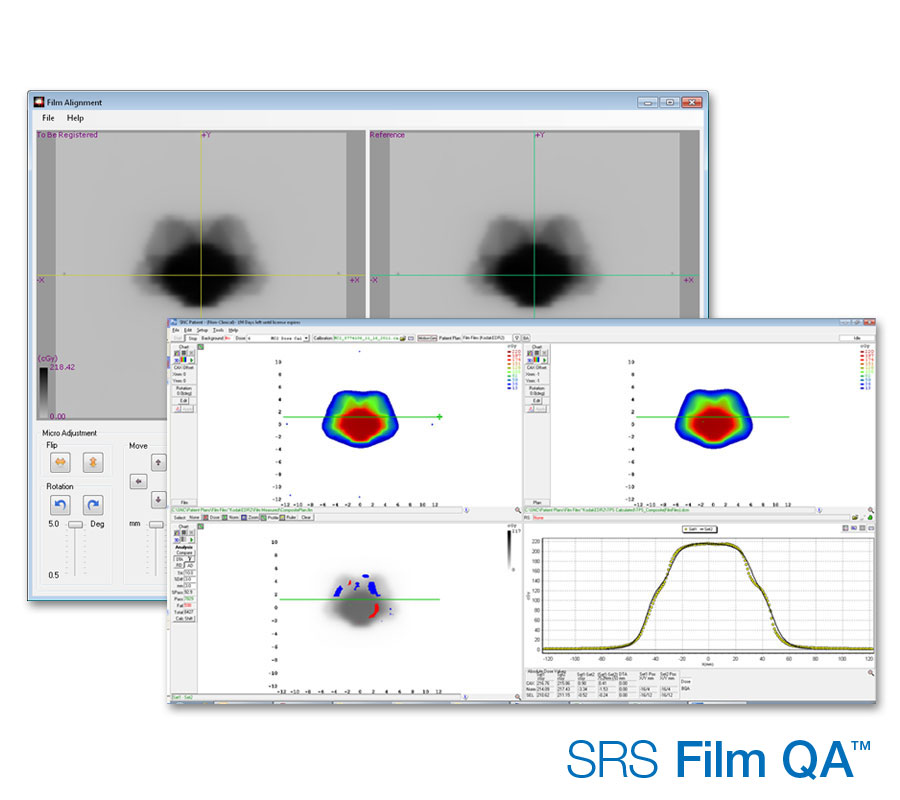
Typical uses include checking linear accelerator performance before treatment sessions, verifying beam characteristics during routine QA, supporting patient-specific QA for complex plans such as IMRT and VMAT, and assisting with commissioning or acceptance testing when new equipment is installed. Film-based tools and software can also be used for stereotactic workflows and dose-map comparison, while integrated software platforms help departments organise, analyse and document results. Ashland’s FilmQA Pro is specifically positioned for IMRT QA and also for SRS, SBRT and VMAT procedures, while PTW and IBA both emphasise structured daily QA, patient QA and workflow-integrated analysis.
Applications of QA Measurement Systems
Hospitals
Hospitals use QA measurement systems to support radiotherapy services, maintain consistent machine verification routines and document technical QA activities across treatment units.
Radiotherapy
Radiotherapy is the primary application for this category. Systems are used for machine QA, patient QA, beam analysis, commissioning and stereotactic verification.
Radiology
Some measurement and phantom-based workflows overlap with imaging verification, especially where treatment planning or image-guided workflows are involved.
Oncology
Oncology centres use QA measurement systems to support the technical performance of radiation therapy services and structured departmental QA programmes.
Clinics and outpatient centres
Specialist cancer clinics and outpatient radiotherapy providers use QA systems to maintain reliable routine checks and consistent workflows.
Diagnostic laboratories
Medical physics and research laboratories use these systems for comparative testing, validation, training and protocol development.
Nuclear Medicine
Although this category is centred on radiotherapy, selected tools and software may also be relevant where radiation measurement and verification intersect with broader technical workflows.
Key Features and Capabilities
- Easy-to-follow workflows for routine machine QA and patient QA
- Reliable measurement performance for repeatable verification tasks
- Detector-based and phantom-based options for different QA methods
- Software integration for analysis, reporting and QA data management
- Portable designs for use across multiple treatment rooms
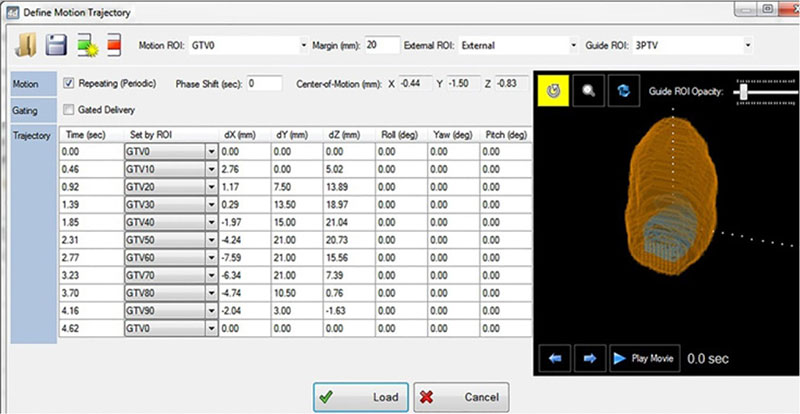
- Support for IMRT, VMAT and stereotactic QA workflows
- Film-based analysis options for detailed dose-map comparison
- Durable construction for regular clinical and technical use
- Efficient setup to reduce disruption to radiotherapy operations
- Compatibility with wider medical physics QA environments
These features reflect the way leading suppliers position the category: PTW highlights daily to annual QA workflows and treatment modalities, IBA promotes integrated protocol-based QA, Standard Imaging focuses on automated analysis and QA data management, and Ashland supports film-based radiotherapy QA through FilmQA Pro.
Benefits of Using QA Measurement Systems
Well-selected QA measurement systems can improve operational efficiency by making routine verification processes easier to standardise, repeat and review. For busy radiotherapy departments, this supports smoother technical workflows and clearer documentation.
They also provide better support for day-to-day treatment operations. When machine QA, patient QA and reporting processes are consistent, departments are better placed to manage ongoing quality control and maintain confidence in treatment delivery systems.
From a procurement perspective, integrated systems can help reduce fragmentation by combining measurement, analysis and reporting functions in a more connected workflow. Competitor platforms increasingly emphasise automation, data management and one-shot or all-in-one QA approaches, reflecting demand for efficient, scalable solutions in modern oncology services.
Choosing the Right QA Measurement Systems
Choosing the right QA measurement systems starts with understanding the intended clinical use. Some solutions are better suited to routine machine QA, while others support patient-specific QA, stereotactic workflows, commissioning or film-based verification.
Facility type also matters. Large oncology centres may require integrated platforms that support multiple machines, advanced treatment techniques and centralised reporting. Smaller departments may prefer compact systems with straightforward setup and training requirements.
Throughput requirements, portability, detector type, software compatibility and servicing arrangements should all be reviewed during procurement. Buyers should also consider how easily the chosen solution fits established QA protocols and whether it works well with existing treatment planning systems, imaging workflows and departmental reporting practices. PEO Medical’s current product mix already spans software, detector-based devices, phantoms and film QA tools, which is helpful for departments that need to compare different approaches within one category.
Our QA Measurement Systems Solutions
PEO Medical supplies QA measurement systems for radiotherapy departments, cancer centres and medical physics teams seeking structured quality assurance workflows.
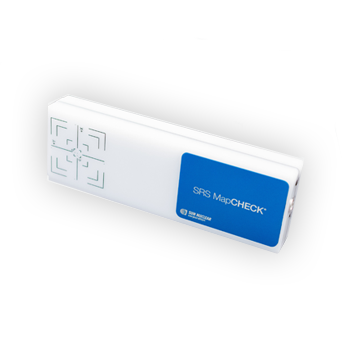
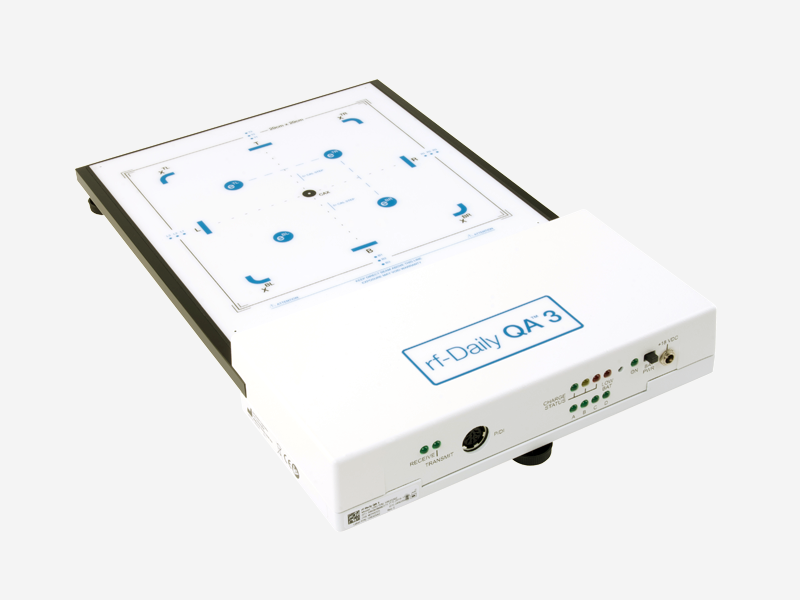
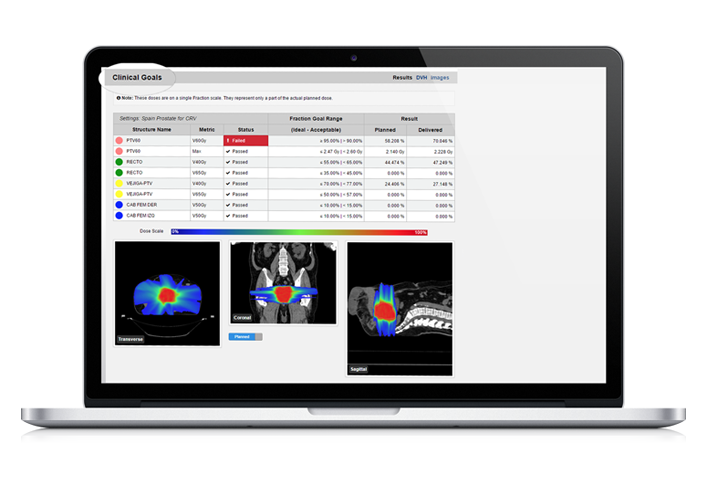
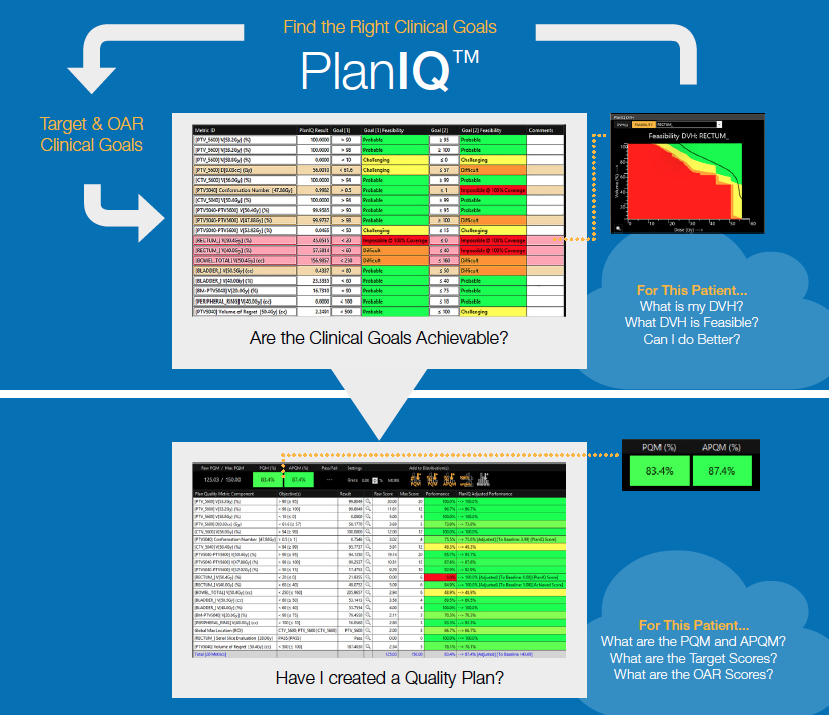
Within this category, PEO Medical currently features Sun Nuclear solutions including SunCHECK Machine, PlanIQ, MapPHAN, ArcCHECK 4D, StereoPHAN and IC Profiler, as well as Ashland’s FilmQA Pro software. That means the range covers software-led QA management, machine verification, detector-based measurement, phantom-supported workflows and film-based analysis.
This makes the category commercially useful for buyers who need to compare:
- machine QA systems for routine treatment unit checks
- patient QA and plan verification tools
- beam analysis and detector-based measurement devices
- phantom-based verification systems
- film analysis software for detailed radiotherapy QA workflows
Why Choose PEO Medical
PEO Medical supports healthcare providers and project buyers with a broad portfolio across radiotherapy, medical imaging, radiology, nuclear medicine and laboratory environments. Its live product structure shows dedicated categories for dosimetry, Gafchromic Film QA, QA phantoms, plan verification and QA measurement systems, which helps buyers source related technologies within a connected procurement journey.
Healthcare buyers choose PEO Medical for:
- broad medical supply capability across multiple specialties
- experience supporting hospitals and healthcare projects
- international sourcing and delivery support
- access to recognised partners including Sun Nuclear and Ashland within this category
- product expertise for public and private healthcare buyers
- consultative support for equipment selection and procurement planning
Conclusion
QA measurement systems are an essential part of radiotherapy quality assurance. They help hospitals, oncology centres and medical physics teams verify equipment performance, support patient QA workflows and maintain structured technical processes across treatment environments.
PEO Medical offers QA measurement systems that span machine QA, detector-based verification, phantom-supported testing and film analysis software. Explore the products in this category or contact PEO Medical for guidance on selecting the right solution for your radiotherapy department.