Gafchromic film QA
Gafchromic Film QA is an important part of radiotherapy quality assurance for hospitals, oncology centres and medical physics teams. Used to measure and review radiation dose distribution with high spatial detail, Gafchromic Film QA supports patient-specific verification, machine quality assurance, commissioning and treatment workflow checks. Ashland states that its Gafchromic radiotherapy films are designed for radiotherapy applications and include options for machine QA, patient QA and higher-dose verification workflows.
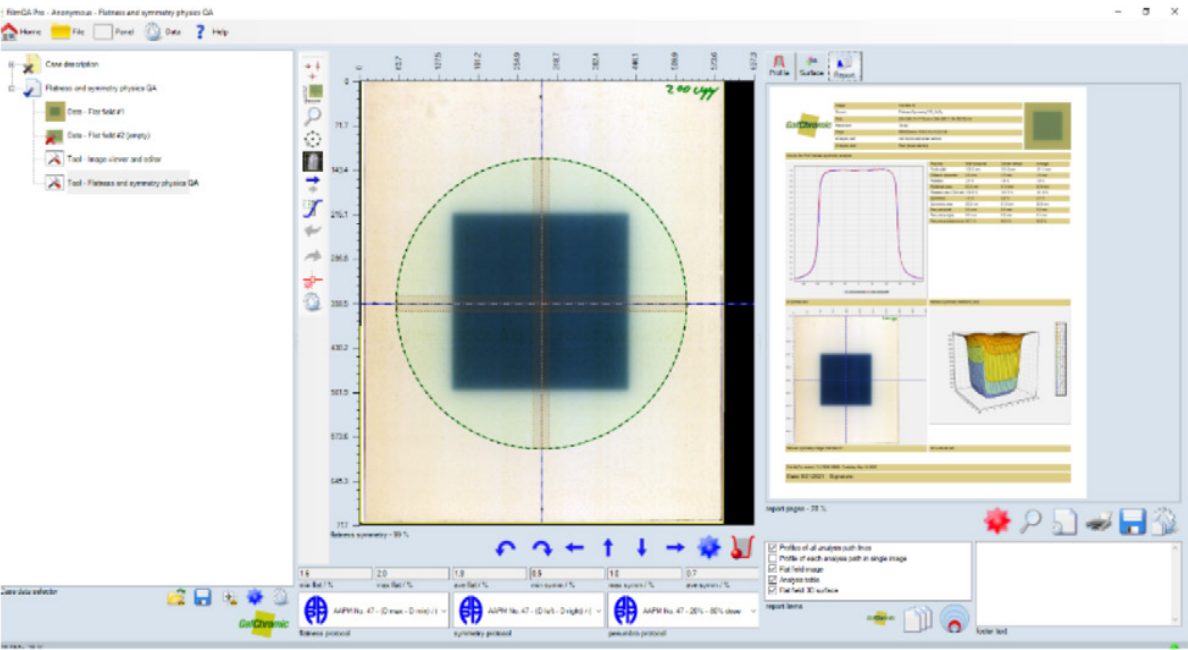 Open product: FilmQA Pro™ Software version 7 – Ashland
FilmQA Pro™ Software version 7 – Ashland
a sophisticated, quantitative analysis tool for Gafchromic™ Film FilmQA Pro™ software is a sophisticated, quantitative… Read more
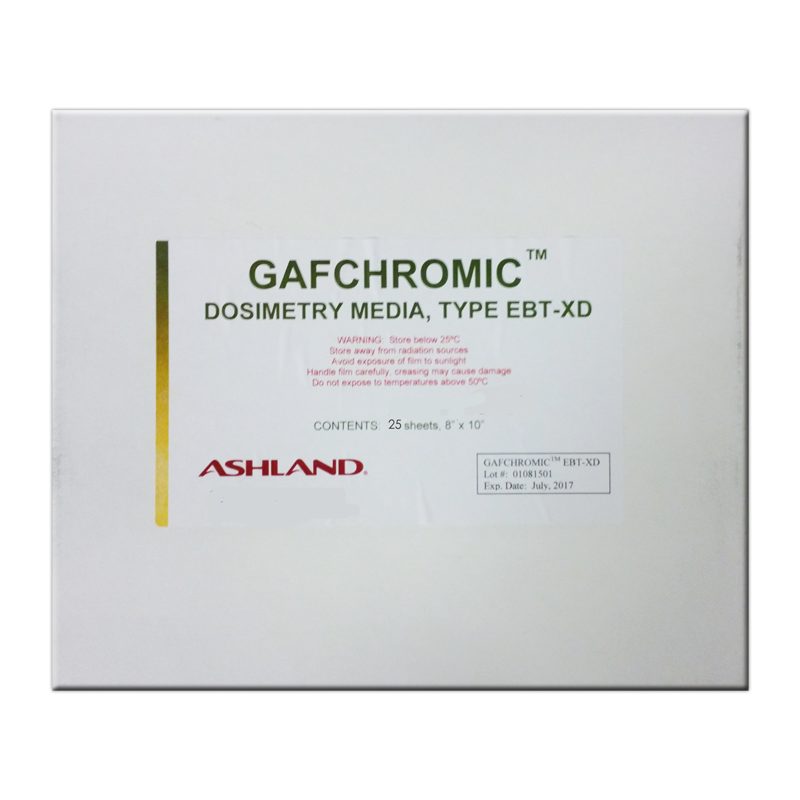 Open product: Gafchromic EBT-XD
Gafchromic EBT-XD
The Gafchromic EBT-XD Dosimetry Film from Ashland has been developed for the measurement of absorbed… Read more
 Open product: Gafchromic EBT-4 Dosimetry Film – Ashland
Gafchromic EBT-4 Dosimetry Film – Ashland
Gafchromic™ EBT4 is designed for the measurement of absorbed doses of ionizing radiation. It is… Read more
 Open product: Gafchromic LD-V1 Film
Gafchromic LD-V1 Film
The new, low-dose Gafchromic LD-V1 film from Ashland provides superior spatial resolution to give you… Read more
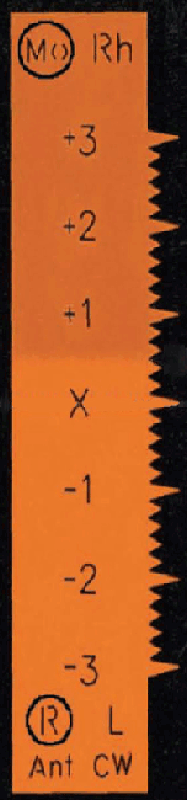 Open product: Gafchromic XR-M2 Dosimetry Film – Ashland
Gafchromic XR-M2 Dosimetry Film – Ashland
XRM2 Dosimetry Film is especially developed for mammography QA testing. With a single film strip… Read more
 Open product: Gafchromic MD-V3 Radiochromic Film – Ashland
Gafchromic MD-V3 Radiochromic Film – Ashland
The Gafchromic MD-V3 Radiochromic Film (Ashland) can be used for the measuring absorbed dose of… Read more
 Open product: Gafchromic EBT-3 Dosimetry Film – Ashland
Gafchromic EBT-3 Dosimetry Film – Ashland
Ashland designed Gafchromic EBT-3 Dosimetry Film specially for medical physicists and dosimetrists working in radiotherapeutic… Read more
 Open product: Gafchromic HD-V2 Radiochromic Film – Ashland
Gafchromic HD-V2 Radiochromic Film – Ashland
Gafchromic HDV2 radiochromic film is designed for quantitative measurement of absorbed doses of high-energy photons.… Read more
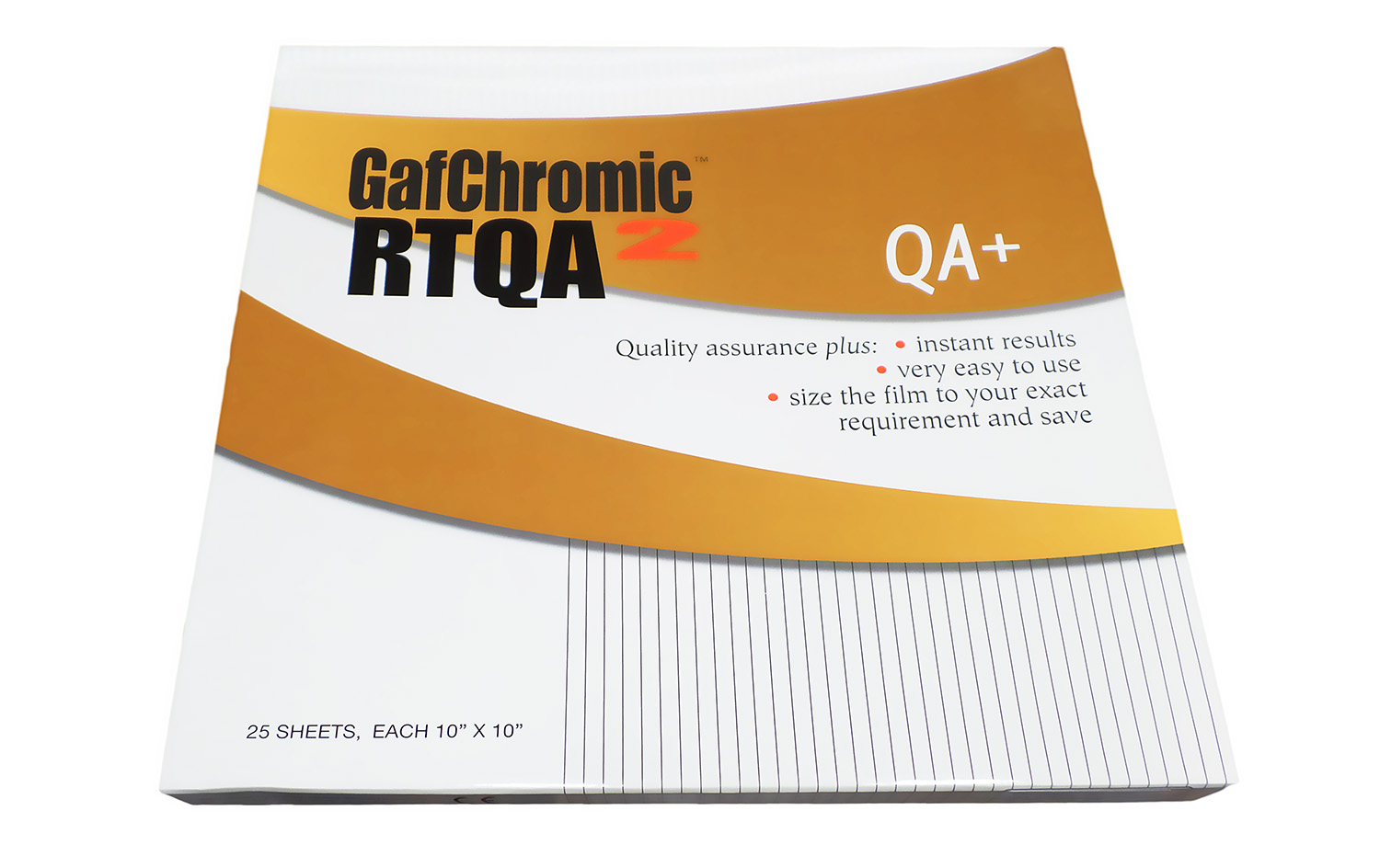
- Open product: Gafchromic RTQA2 Radiochromic Film – Ashland
Gafchromic RTQA2 Radiochromic Film – Ashland
RTQA2 film is a self-developing film designed for commissioning and quality assurance of radiotherapeutic modalities.… Read more
 Open product: Gafchromic EBT-XD Dosimetry Film – Ashland
Gafchromic EBT-XD Dosimetry Film – Ashland
The Gafchromic EBT-XD Dosimetry Film (Ashland) has been developed for the measurement of absorbed doses… Read more
For procurement teams and technical stakeholders, this category covers radiochromic films and related analysis workflows used to verify planned and delivered dose patterns. Ashland’s radiotherapy film range includes EBT3 for machine and patient QA, EBT-XD for patient QA, and RTQA2 for machine QA, while PEO Medical’s current category also features MD-V3 and HD-V2 products alongside those core film types.
In modern radiotherapy departments, film QA remains relevant because it provides a practical way to evaluate dose distribution, support complex plan verification and complement wider QA systems already used in treatment environments.
What is Gafchromic Film QA?
Gafchromic Film QA refers to the use of Ashland’s radiochromic film products within radiotherapy quality assurance workflows. These films darken in response to radiation exposure, allowing medical physics teams to assess absorbed dose patterns and compare them with expected results using dedicated analysis software. Ashland states that when its films are used with FilmQA Pro software, they provide dosimetric measurement capability for radiotherapy applications.
This category is commonly used for machine QA, patient-specific QA and detailed dose distribution analysis. Because film offers very high spatial detail, it is often chosen where a visual and quantitative record of dose placement is helpful, particularly in complex treatment workflows.
How Gafchromic Film QA Products Are Used
Gafchromic Film QA products are used in radiotherapy departments to support several routine and specialist workflows. A medical physicist may use film for patient QA, field verification, commissioning tasks or comparison of calculated and measured dose distributions. Films are typically irradiated within a controlled setup and then analysed using dedicated software.
Ashland’s range indicates that different film types are intended for different QA tasks: RTQA2 for machine quality assurance, EBT3 for both machine and patient QA, and EBT-XD for patient QA. IBA also highlights multichannel film dosimetry within its myQA Patients ecosystem for IMRT, VMAT and SBRT/SRS cases, which reinforces film’s role in advanced treatment verification.
In practice, film QA is often used alongside other radiotherapy QA tools rather than as a standalone method, helping departments build a more complete verification workflow.
Applications of Gafchromic Film QA
Hospitals
Hospitals use Gafchromic Film QA to support radiotherapy quality assurance programmes, especially where detailed dose verification is required within oncology services.
Radiotherapy
Radiotherapy is the main application area. Film QA supports machine QA, patient QA, commissioning and verification of complex treatment plans.
Radiology
Although primarily associated with radiotherapy, some radiochromic film products are also described by Ashland and distributors in broader radiology or radiation measurement contexts.
Oncology
Oncology centres use film QA to support technical validation of treatment workflows and patient-specific verification processes.
Clinics and outpatient centres
Smaller cancer centres and outpatient radiotherapy facilities may use film-based QA where detailed dose-map assessment is part of their medical physics routine.
Diagnostic laboratories
Research and technical laboratories may use radiochromic film for dose evaluation, method development and comparative testing.
Nuclear Medicine
This category is not primarily designed for nuclear medicine, but some research-led radiation measurement environments may have overlapping technical interests.
Key Features and Capabilities
- High spatial detail for dose distribution assessment
- Suitable options for machine QA and patient QA depending on film type
- Compatibility with FilmQA Pro software for analysis workflows
- Support for IMRT, VMAT and stereotactic verification workflows when used within appropriate QA processes
- Film-based workflow that complements detector and phantom QA methods
- Available product variants for different absorbed dose ranges and use cases, including EBT3, EBT-XD, RTQA2, MD-V3 and HD-V2 on PEO Medical’s live category page
- Practical fit for commissioning and treatment verification workflows
- Useful for detailed comparison between measured and planned dose patterns
Benefits of Using Gafchromic Film QA
Gafchromic Film QA offers operational and technical value for departments that need detailed radiotherapy verification. One key benefit is the ability to visualise dose distribution with fine detail, which can be helpful in complex treatment workflows and during commissioning.
It also supports flexible QA processes. Because Ashland offers several film types for different tasks, departments can select products aligned with machine QA, patient QA or higher-dose verification needs.
From a procurement perspective, film QA can complement wider QA systems rather than replace them. This makes it commercially useful for hospitals that want to strengthen radiotherapy verification capacity without depending on a single measurement approach. Software support is another advantage, as FilmQA Pro is already available within PEO Medical’s wider product structure for Gafchromic film analysis.
Choosing the Right Gafchromic Film QA
Choosing the right Gafchromic Film QA solution starts with the intended clinical use. Departments should first determine whether the main requirement is machine QA, patient-specific QA, commissioning, or higher-dose verification.
Film type matters. Ashland differentiates RTQA2, EBT3 and EBT-XD by intended QA use, while PEO Medical’s category also includes MD-V3 and HD-V2, which broadens the available options for absorbed dose measurement applications.
Facilities should also consider throughput, staff familiarity with film workflows, software compatibility and how film will fit with existing QA methods such as detector arrays or phantom-based verification. Analysis workflow is especially important, since film QA usually depends on structured scanning and software review. Buyers should therefore assess training needs, data handling processes and long-term supply continuity when planning procurement.
Our Gafchromic Film QA Solutions
PEO Medical’s live Gafchromic Film QA category currently includes several Ashland products, including Gafchromic RTQA2 Radiochromic Film, MD-V3 Radiochromic Film, EBT-3 Dosimetry Film, HD-V2 Radiochromic Film and EBT-XD Dosimetry Film. This provides a commercially useful range covering machine QA, patient QA and broader absorbed dose measurement needs across radiotherapy workflows.
Together with FilmQA Pro software already listed elsewhere in PEO Medical’s catalogue, the category supports a practical film-based QA pathway for hospitals and technical teams that want to compare:
- films for machine QA
- films for patient QA
- options for higher-dose or specialised measurement tasks
- software-enabled film analysis workflows
Why Choose PEO Medical
PEO Medical supports healthcare buyers across radiotherapy, diagnostic imaging, radiology, nuclear medicine, laboratory and specialist technical environments. Its live product structure already separates related categories such as Dosimetry, QA Measurement Systems, Plan verification and Gafchromic Film QA, which helps buyers move through a clearer procurement journey.
Healthcare organisations choose PEO Medical for:
- broad medical supply capability across multiple specialties
- experience supporting hospitals and healthcare projects
- international sourcing and delivery support
- access to recognised partners such as Ashland in this category
- support for public and private healthcare buyers
- consultative guidance for equipment selection and procurement
Conclusion
Gafchromic Film QA remains a valuable part of radiotherapy quality assurance for departments that need detailed dose distribution review, patient-specific verification and flexible film-based workflows. Ashland’s film portfolio and FilmQA Pro ecosystem show that this category continues to support both machine QA and patient QA across a range of radiotherapy applications.
PEO Medical offers a focused Gafchromic Film QA category with multiple Ashland film options already available. Explore the products in this category or contact PEO Medical for guidance on selecting the right film QA solution for your radiotherapy department.


