Dose rate monitoring
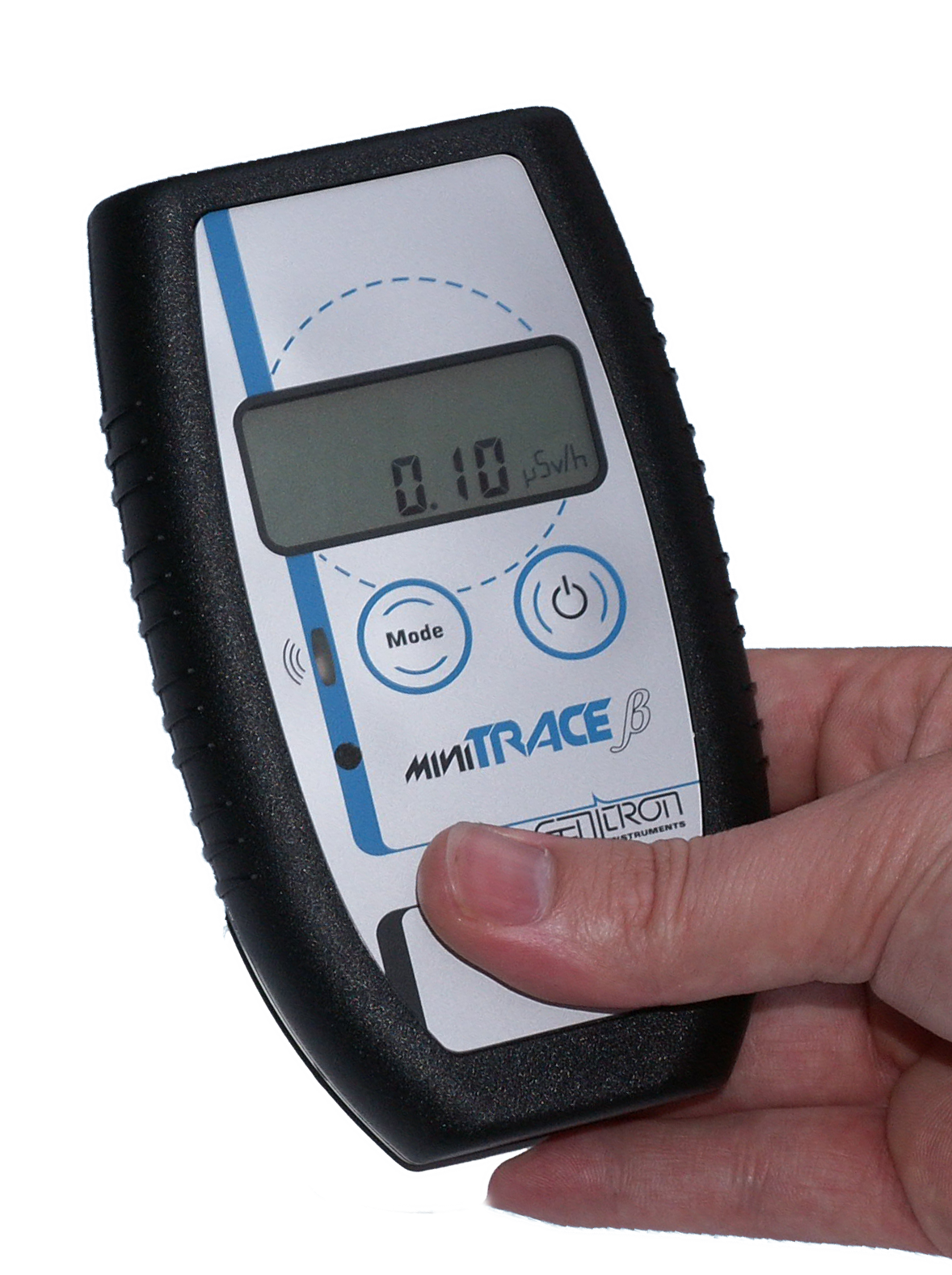
Dose rate monitoring is an important part of radiation safety in healthcare environments where ionising radiation is used for diagnosis, treatment, research, or controlled laboratory work. These instruments are designed to measure radiation levels in real time, helping teams assess ambient dose rate, respond to abnormal readings, and maintain safer working conditions in clinical and technical settings. Competitor pages consistently position dose rate meters and radiation survey meters as practical tools for identifying elevated radiation levels, supporting occupational safety, and enabling fast local assessment.
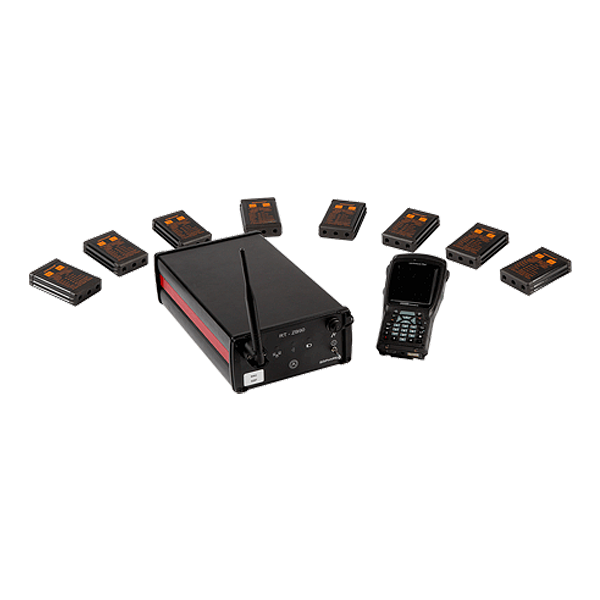 Open product: Skydose Dosimetry System – Bertin Instruments
Skydose Dosimetry System – Bertin Instruments
Skydose is an operational dosimetry system, designed to measure & monitor, in real time, the… Read more
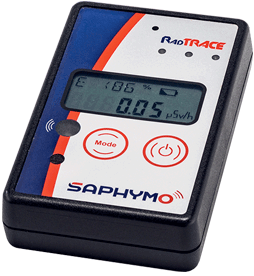 Open product: RadTRACE – Bertin Instruments
RadTRACE – Bertin Instruments
RadTRACE is a gamma survey meter dedicated to workers and non-specialized staff subject to radiation… Read more
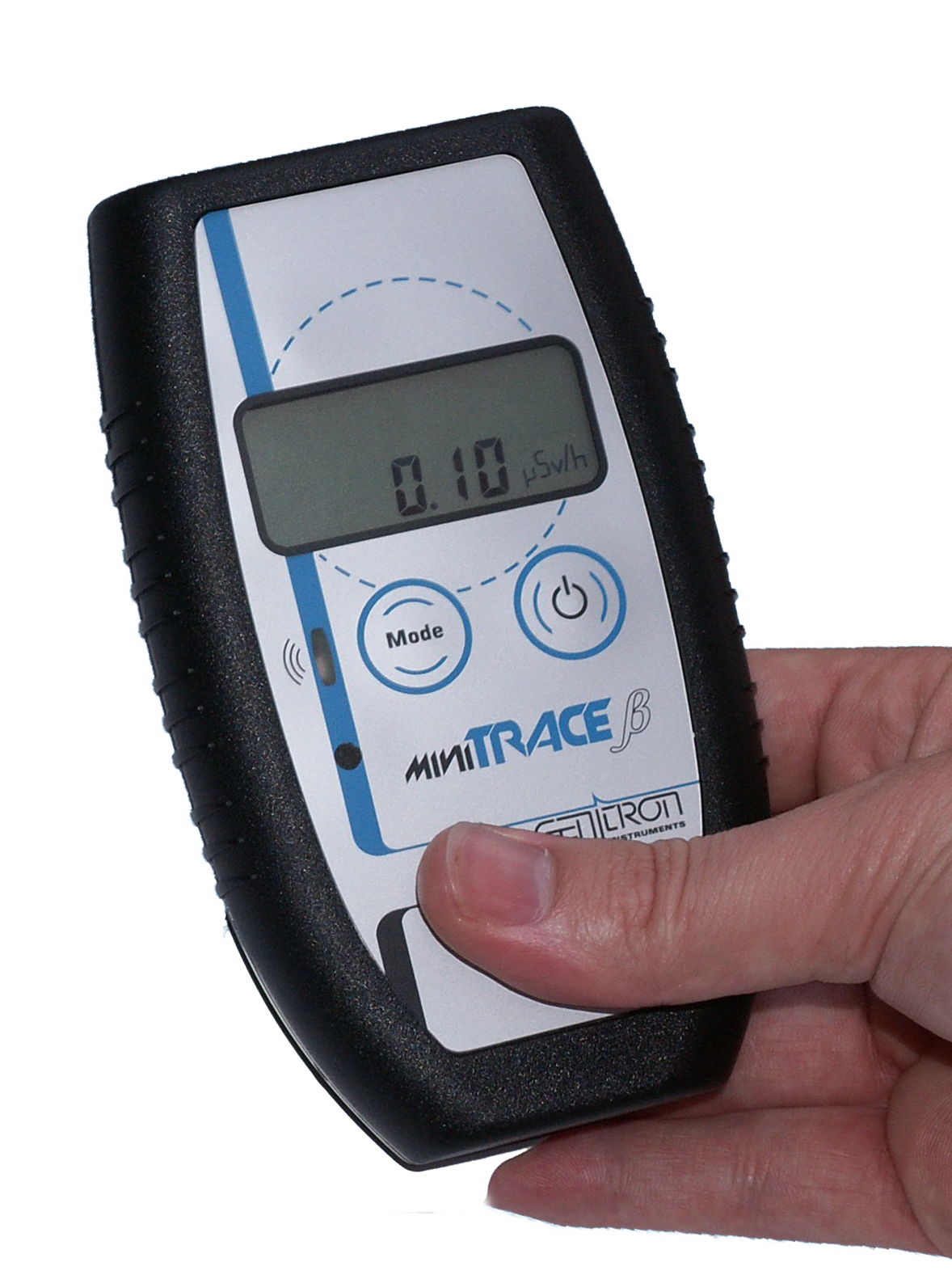 Open product: MiniTRACE S5 – Saphymo
MiniTRACE S5 – Saphymo
The MiniTRACE S5 is a contamination meter designed to improve the safety of workers in… Read more
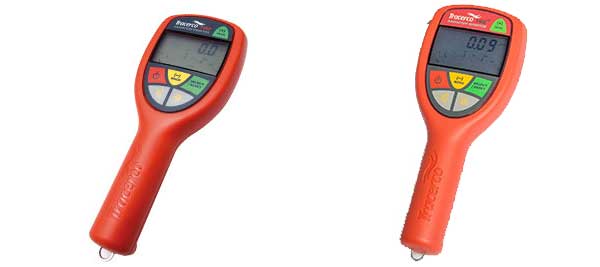 Open product: Dose Rate Monitor T402 & T402HR – Tracerco
Dose Rate Monitor T402 & T402HR – Tracerco
The non-intrinsically safe radiation (contamination) Dose Rate Monitors T402 & T402HR offers an alternative to… Read more
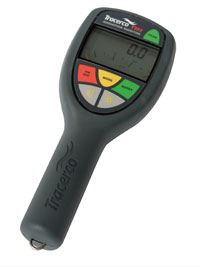 Open product: Intrinsically Safe Radiation Dose Rate Monitor (T202) Tracerco™
Intrinsically Safe Radiation Dose Rate Monitor (T202) Tracerco™
The Tracerco T202 dose rate monitor provides key operational features like peak dose rate memory… Read more
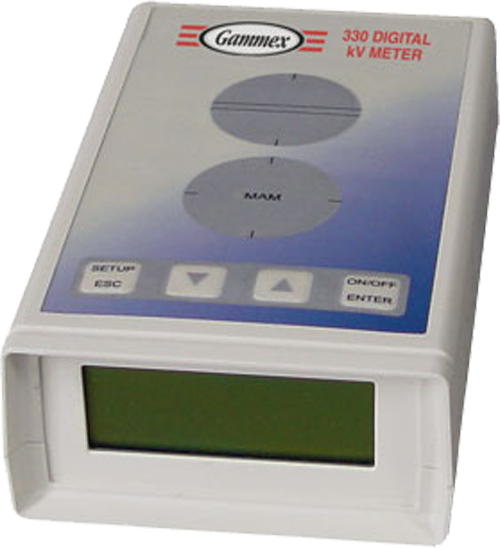 Open product: Model 330 – Digital kV, Dose and Time Meter – Sun Nuclear
Model 330 – Digital kV, Dose and Time Meter – Sun Nuclear
The Gammex 330 Digital kV, Dose and Time Meter is a test device for quality… Read more
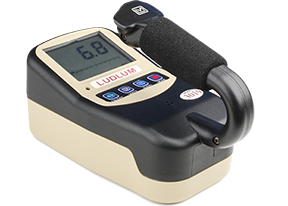 Open product: Model 3019 Digital Background Survey Meter – Ludlum
Model 3019 Digital Background Survey Meter – Ludlum
The Model 3019 Digital Background Survey Meter (Ludlum) is a device with an internal scintillation… Read more
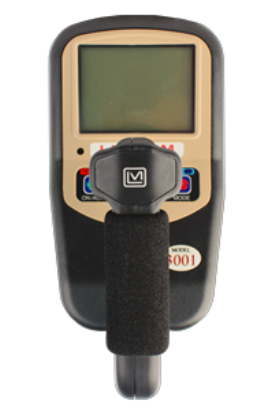 Open product: Model 3001 Multi-Detector Survey Meter – Ludlum
Model 3001 Multi-Detector Survey Meter – Ludlum
The Model 3001 Multi-Detector Survey Meter (Ludlum) is an ergonomically-designed, versatile, lightweight instrument which can… Read more
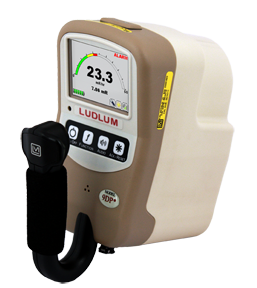 Open product: Model 9DP Ambient Dose Ion Chamber Survey Meter – Ludlum
Model 9DP Ambient Dose Ion Chamber Survey Meter – Ludlum
The Model 9DP Ion Chamber Survey Meter is a highly sensitive pressurised ion chamber meter.… Read more
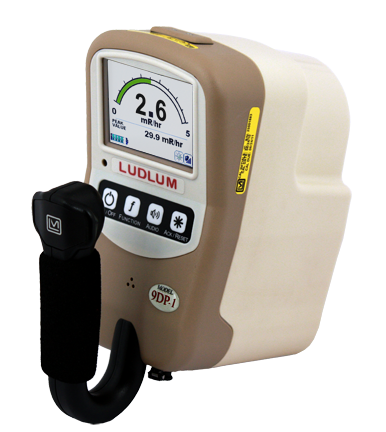 Open product: Model 9DP-1 Ion Chamber Survey Meter – Ludlum
Model 9DP-1 Ion Chamber Survey Meter – Ludlum
Ludlum designed the Model 9DP-1 Ion Chamber Survey Meter for radiography work where pulsed fields… Read more
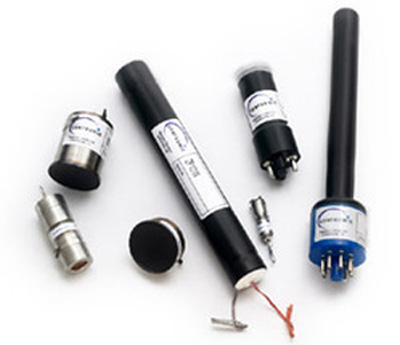 Open product: Beta & Gamma Detectors – Centronic
Beta & Gamma Detectors – Centronic
The Beta & Gamma Detectors (Centronic) are used for the detection of radiation at low,… Read more
Other
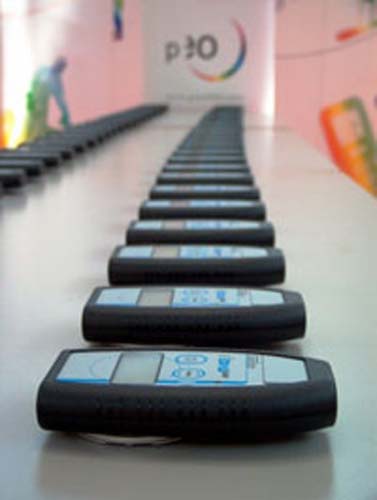 Open product: MiniTRACE Family – Saphymo
MiniTRACE Family – Saphymo
The MiniTRACE Family (Saphymo) is a range of dosimeters, dose rate meters and contamination meters… Read more
In hospitals, nuclear medicine departments, radiotherapy centres, and diagnostic laboratories, dose rate monitoring supports routine safety checks, workflow control, and incident response. Depending on the application, equipment may be handheld, desktop, portable, or wall-mounted, with some systems offering logging, alarms, and multi-mode measurement. Mirion highlights healthcare-specific usability and clear displays, while Georadis combines dose rate measurement with wider radiation detection functions in selected instruments.
PEO Medical supplies dose rate monitoring solutions from Ludlum Medical Physics and Georadis, supporting healthcare buyers who need dependable radiation measurement equipment for day-to-day clinical and laboratory use.
What is Dose Rate Monitoring?
Dose rate monitoring refers to measuring the level of ionising radiation present in an environment over time, usually expressed in units such as µSv/h or mrem/h. The purpose is to assess whether radiation levels are within expected limits and to alert users if readings rise above defined thresholds. Mirion’s RDS-30, for example, measures and displays dose rate in μSv/h or mrem/h and includes user-settable alarms for dose and dose rate.
In healthcare settings, dose rate monitoring equipment is often used as part of routine radiation protection procedures. These products may be referred to as dose rate meters or radiation survey meters, depending on their configuration. Some are designed specifically for healthcare environments, while others are multi-purpose instruments that can be used in medical, laboratory, or field applications. Mirion’s RDS-Med is explicitly designed for medical environments using radiation in diagnosis and treatment.
How Dose Rate Monitoring Products Are Used
Dose rate monitoring products are used to assess radiation levels in work areas, around equipment, near storage locations, and during handling of radioactive materials. In hospitals and laboratories, staff may use handheld survey meters for routine checks before, during, or after procedures involving radiation. These instruments can also support rapid assessment if there is concern about abnormal radiation levels or unexpected exposure conditions. Mirion describes its handheld meter as suitable for situations involving a possibility of abnormal radiation levels.
Some systems go beyond simple spot checks. Desktop, portable, or wall-mounted meters may be used where more fixed local monitoring is helpful, while other models provide dose logging, alarm functions, and audible rate-follow-up to support continuous awareness. Georadis also offers instruments that combine dose rate measurement with source detection or gamma spectrometry, which may suit organisations seeking multi-function capability.
Applications of Dose Rate Monitoring
Hospitals
Hospitals use dose rate monitoring to support radiation safety in departments where ionising radiation is present. This may include local checks of work areas, equipment surroundings, and staff environments as part of routine health physics procedures. Mirion positions healthcare survey meters as crucial for medical environments using radiation in diagnosis and treatment.
Radiotherapy
Radiotherapy departments may use dose rate monitoring for safety checks around treatment-related environments, controlled access areas, or associated equipment workflows where radiation protection procedures apply. Competitor pages emphasise quick assessment of radiation levels and suitability for abnormal or changing conditions.
Radiology
Radiology teams may require compact survey instruments for local radiation level assessment, particularly in facilities managing broader radiation safety protocols across imaging areas and adjacent technical spaces.
Oncology
Oncology services linked to radiotherapy or radionuclide workflows may require dose rate monitoring as part of wider staff protection and operational control processes.
Clinics and outpatient centres
Clinics and outpatient facilities using radiation-based technologies often benefit from portable, easy-to-read instruments that fit smaller spaces and simpler workflows. Lightweight handheld meters are especially relevant here.
Diagnostic laboratories
Diagnostic laboratories and research environments use dose rate meters to check workstations, storage areas, and sample handling zones. Logging and alarm functions can be useful where repeated measurements are required.
Nuclear Medicine
Nuclear medicine is one of the most relevant sectors for dose rate monitoring, because staff regularly work with medical isotopes and need to monitor radiation levels as part of occupational safety procedures. Thermo Fisher explicitly notes that nuclear medicine personnel need to monitor their risk of exposure at all times.
Key Features and Capabilities
- Handheld, desktop, portable, and wall-mounted formats for different working environments.
- Real-time dose rate measurement in units such as μSv/h and mrem/h.
- Visual and audible alarms with user-set thresholds for dose or dose rate.
- Clear, backlit displays designed for fast reading in clinical settings.
- Lightweight and ergonomic designs that support routine workflow.
- Logging and histogram functions on selected models for trend review and documentation.
- Water-resistant or rugged construction on selected instruments.
- Multi-purpose capability on some models, including source detection or spectroscopy support.
Benefits of Using Dose Rate Monitoring
The main benefit of dose rate monitoring is that it helps healthcare organisations assess radiation levels quickly and consistently, supporting safer day-to-day working practices. Reliable instruments allow staff to identify elevated readings promptly, apply local procedures, and maintain better visibility over radiation conditions in clinical and technical environments. Competitor pages repeatedly stress fast assessment, dose alarms, and support for health and safety requirements.
From a procurement perspective, dose rate monitoring equipment can also improve workflow efficiency. Portable instruments are easy to deploy across departments, while models with alarms, logging, or multi-mode operation can add practical value for technical teams. Over time, well-matched instruments can support consistent operational performance, staff confidence, and easier integration into existing radiation safety programmes.
Choosing the Right Dose Rate Monitoring
Choosing the right dose rate monitoring equipment begins with intended use. Some facilities need simple handheld meters for routine spot checks, while others may require desktop or wall-mounted units for fixed local monitoring, or multifunction devices that combine dose rate measurement with other radiation detection features. Mirion’s range and Georadis products show how different models can be tailored to different operational needs.
Buyers should consider measurement range, detector type, alarm functionality, portability, battery life, durability, data logging, and calibration support. In healthcare environments, ease of use and clarity of display are especially important, as instruments may be used by varied staff groups in time-sensitive settings. Procurement teams may also wish to review standards compliance where relevant, such as IEC 60846 or ANSI N42.33 on selected instruments.
Our Dose Rate Monitoring Solutions
PEO Medical offers dose rate monitoring solutions from Ludlum Medical Physics and Georadis. Ludlum is well known for radiation survey instruments with multiple operating modes and measurement units, including rate and dose functions. Georadis provides multi-purpose handheld instruments that combine dose rate measurement with additional capabilities such as source detection, gamma spectrometry, and, on some models, neutron identification.
This gives healthcare buyers access to a range of options suited to hospitals, nuclear medicine departments, laboratories, and specialist medical projects. PEO Medical helps customers compare product fit based on workflow, portability, technical requirements, and the broader needs of their radiation safety programme.
Why Choose PEO Medical
PEO Medical supports hospitals, clinicians, biomedical engineers, healthcare distributors, ministries of health, NGOs, clinics, and medical project buyers across radiotherapy, medical imaging, radiology, nuclear medicine, laboratory research, dental, and veterinary sectors. That broader medical supply experience is valuable when selecting specialist radiation safety equipment that must fit real healthcare workflows.
By choosing PEO Medical, buyers benefit from product expertise, international sourcing capability, and support for both public and private healthcare procurement. We help customers compare suitable options, clarify technical differences, and select dose rate monitoring equipment aligned with operational requirements rather than specifications alone.
Conclusion
Dose rate monitoring is a core part of radiation safety wherever ionising radiation is used in healthcare and laboratory practice. From routine local checks to alarm-based monitoring and multi-function radiation assessment, these instruments help teams measure radiation levels clearly and respond appropriately within established procedures. Competitor pages consistently show the importance of reliable dose rate assessment for medical, laboratory, and controlled-use environments.
PEO Medical supplies dose rate monitoring solutions from Ludlum Medical Physics and Georadis for organisations seeking dependable radiation measurement equipment. Explore the products in this category or contact our team for support in selecting the right instrument for your facility.


