Detectors & miscellaneous
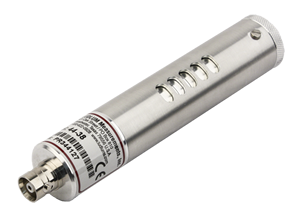
Detectors & Miscellaneous covers a broad but important group of radiation detection components, detector probes, specialist sensing devices, and supporting products used across healthcare, medical physics and laboratory environments. In practice, this category includes products that detect or measure radiation directly, as well as specialist items such as dosimetry and QA films used to verify dose distribution, imaging system performance or treatment-related workflows. Ludlum highlights detector families such as Geiger-Mueller, scintillation, gas proportional, ion chamber and neutron detectors, while Ashland positions Gafchromic films for gamma and X-ray dosimetry, radiotherapy QA and radiology QA.
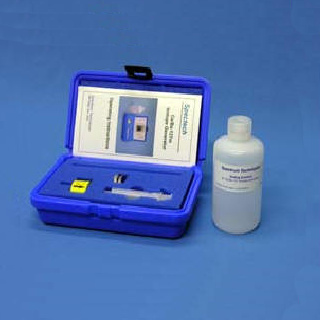 Open product: Isotope Generator – Spectrum Techniques
Isotope Generator – Spectrum Techniques
This Cs-137/Ba-137m Isotope Generator is used to conduct experiment in schools and universities to demonstrate… Read more
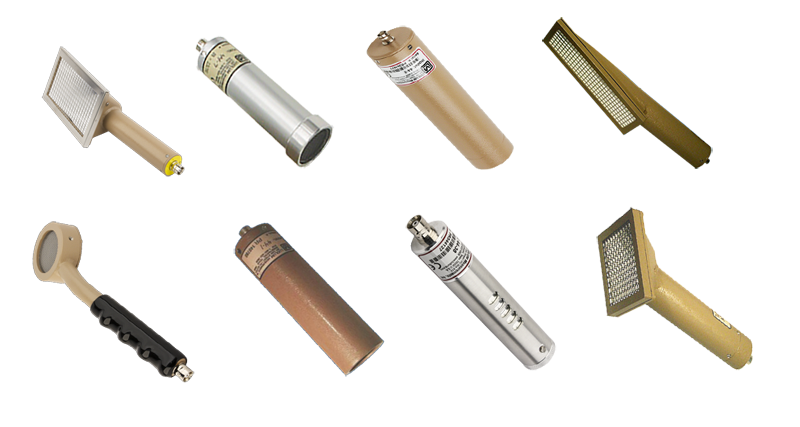 Open product: Probes (Ludlum)
Probes (Ludlum)
For any application Ludlum offers a wide range of probes. The probes can be used… Read more
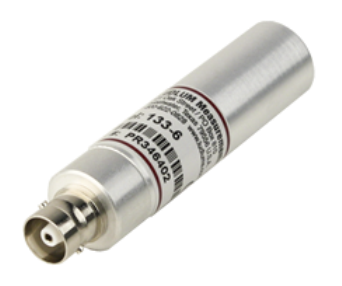 Open product: Model 133-6 GM Detector – Ludlum
Model 133-6 GM Detector – Ludlum
The Model 133-6 GM Detector (Ludlum) is a gamma survey detector (GM) that can be… Read more
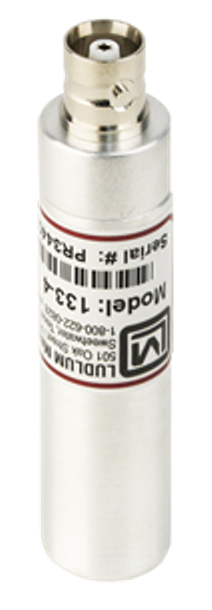 Open product: Model 133-4 GM Detector – Ludlum
Model 133-4 GM Detector – Ludlum
The Model 133-4 GM Detector (Ludlum) is a gamma survey detector (GM) that can be… Read more
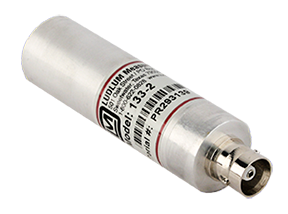 Open product: Model 133-2 GM Detector – Ludlum
Model 133-2 GM Detector – Ludlum
The Model 133-2 GM Detector (Ludlum) is a gamma survey detector (GM) that can be… Read more
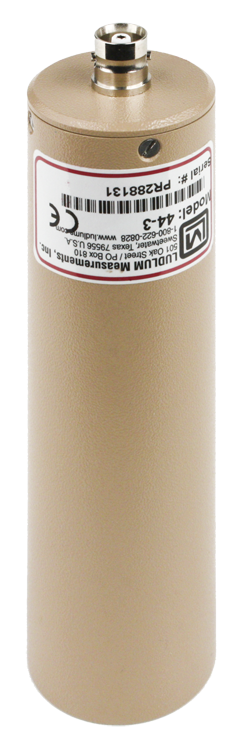 Open product: Model 44-3 NAL Low Energy Gamma Scintillator – Ludlum
Model 44-3 NAL Low Energy Gamma Scintillator – Ludlum
The Model 44-3 NAL Low Energy Gamma Scintillator (Ludlum) is a detector for 125I and low energy… Read more
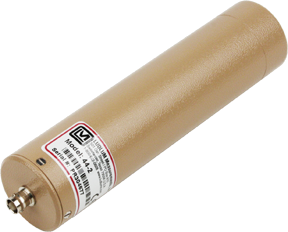 Open product: Model 44-2 NAL Gamma Scintillator – Ludlum
Model 44-2 NAL Gamma Scintillator – Ludlum
The Model 44-2 NAL Gamma Scintillator (Ludlum) is a detector for low-level, wide-energy gamma radiation… Read more
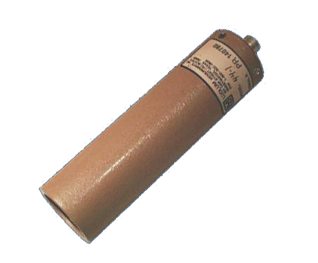 Open product: Model 44-1 Beta Scintillator – Ludlum
Model 44-1 Beta Scintillator – Ludlum
The Model 44-1 Beta Scintillator (Ludlum) is a detector for beta radiation survey. Model 44-1… Read more
- Open product: Model 44-38 Energy Compensated GM Detector – Ludlum
Model 44-38 Energy Compensated GM Detector – Ludlum
The Model 44-38 Energy Compensated GM Detector (Ludlum) is a device for beta and gamma… Read more
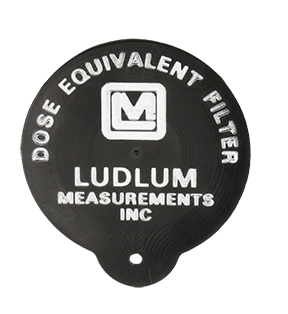 Open product: Model 44-9 Ambient Dose Equivalent Filter – Ludlum
Model 44-9 Ambient Dose Equivalent Filter – Ludlum
The Model 44-9 Ambient Dose Equivalent Filter (Ludlum) is an expansion on the Model 44-9… Read more
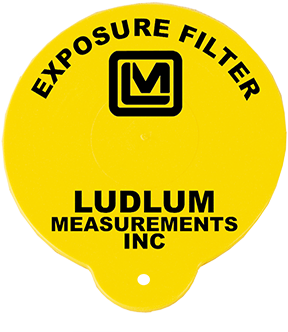 Open product: Model 44-9 Exposure Filter Kit – Ludlum
Model 44-9 Exposure Filter Kit – Ludlum
The Model 44-9 Exposure Filter Kit (Ludlum) is an expansion on the Model 44-9 Pancake… Read more
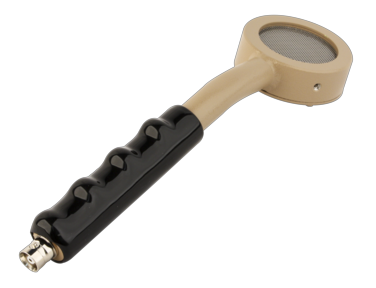 Open product: Model 44-9 Pancake GM Detector – Ludlum
Model 44-9 Pancake GM Detector – Ludlum
The Model 44-9 Pancake GM Detector (Ludlum) is proven to be the most popular radiation… Read more
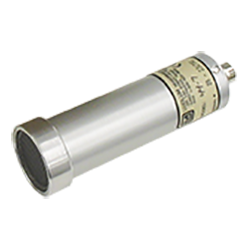 Open product: Model 44-7 Alpha Beta Gamma Detector – Ludlum
Model 44-7 Alpha Beta Gamma Detector – Ludlum
The Model 44-7 Alpha Beta Gamma Detector (Ludlum) is a device for alpha, beta and… Read more
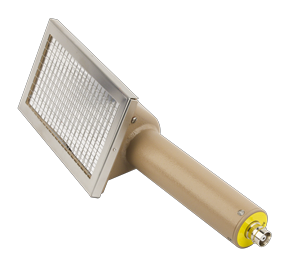 Open product: Model 43-92 Alpha Scintillator – Ludlum
Model 43-92 Alpha Scintillator – Ludlum
The Model 43-92 Alpha Scintillator (Ludlum) is a device for alpha contamination survey. Model 43-92… Read more
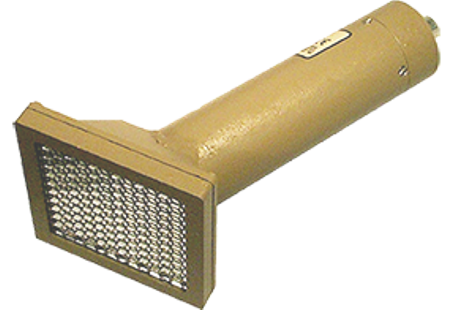 Open product: Model 43-65 Alpha Scintillator – Ludlum
Model 43-65 Alpha Scintillator – Ludlum
The Model 43-65 Alpha Scintillator (Ludlum) is a detector designed for alpha radiation survey when… Read more
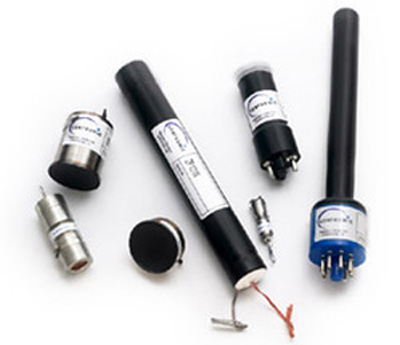 Open product: Alpha, Beta & Gamma Detectors – Centronic
Alpha, Beta & Gamma Detectors – Centronic
The Alpha, Beta & Gamma Detectors (Centronic) are used for the detection of radiation at… Read more
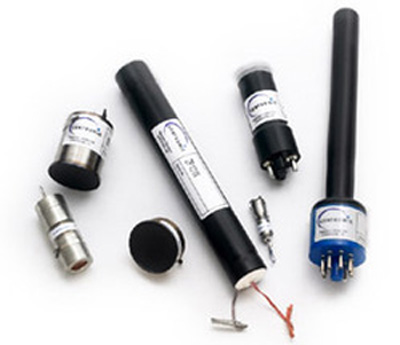 Open product: Gamma Detectors – Centronic
Gamma Detectors – Centronic
The Gamma Detectors (Centronic) are used for the detection of radiation at low dose rates.… Read more
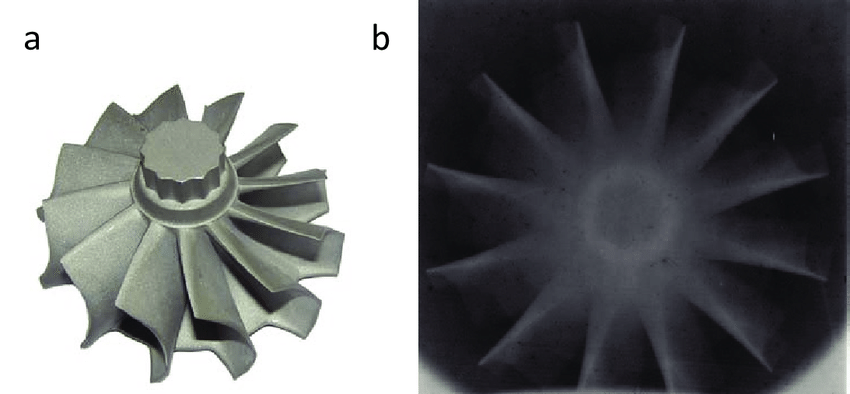 Open product: Gafchromic XR-SP2 Industrial Radiographic Film – Ashland
Gafchromic XR-SP2 Industrial Radiographic Film – Ashland
Ashland designed XR-SP2 Industrial Radiographic Film specially for the current demand for security and industrial… Read more
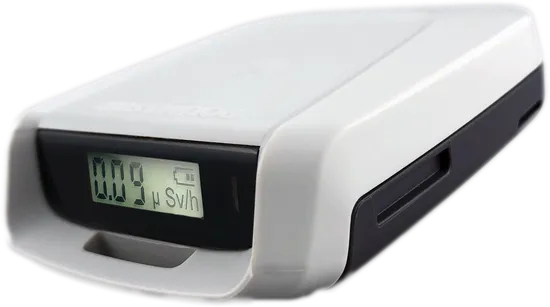
Other
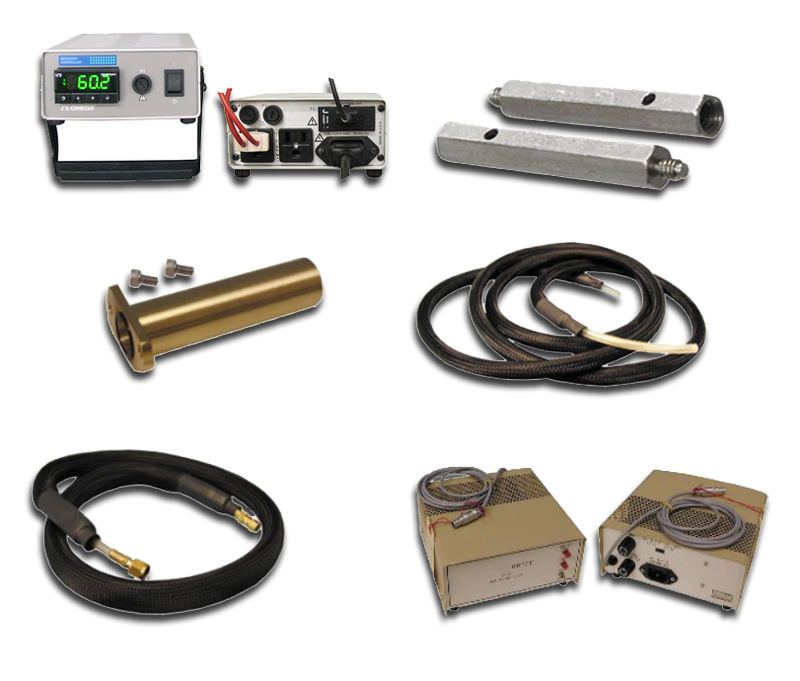 Open product: HPGE and Si(Li) detector accessories
HPGE and Si(Li) detector accessories
Ortec HPGE and Si(Li) detector accessories extend the performance of your system. You can choose… Read more
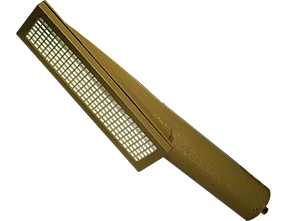 Open product: Model 43-5 Alpha Scintillator – Ludlum
Model 43-5 Alpha Scintillator – Ludlum
The Model 43-5 Alpha Scintillator (Ludlum) is a detector developed for alpha radiation survey when… Read more
For hospitals, biomedical engineers and project buyers, this category matters because detector choice influences how radiation is identified, measured or verified within a wider clinical process. Some organisations need detector probes compatible with existing survey instruments. Others need specialist dosimetry or QA media for radiotherapy, radiology or research use. PEO Medical brings together solutions from Ludlum Medical Physics, Ashland and Centronic Nuclear to support healthcare buyers who need practical access to detector technologies across multiple radiation-related applications.
What is Detectors & Miscellaneous?
Detectors & Miscellaneous refers to a grouped category of radiation detection products and related specialist items used in medical, laboratory and technical environments. Rather than focusing on one finished instrument type, this category usually includes detector probes, sensing heads, replacement or application-specific detector technologies, and complementary products such as dosimetry films or QA films. Ludlum’s detector range, for example, spans GM, scintillation, gas proportional, ion chamber and neutron detectors, while Ashland’s Gafchromic range supports gamma, X-ray, radiotherapy and radiology measurement workflows.
In healthcare settings, these products support radiation measurement, quality assurance, equipment verification and medical physics work. Some are used with existing survey meters or compatible instrument platforms. Others are chosen for specialist tasks such as dose mapping, radiology machine QA, CT QA or mammography QA.
How Detectors & Miscellaneous Products Are Used
Detectors & Miscellaneous products are used in a range of clinical and technical workflows. Detector probes may be connected to compatible radiation instruments to measure alpha, beta, gamma or neutron radiation, depending on the detector design. Ludlum states that its instruments and detectors come standard with Series C connectors, which highlights the importance of compatibility when purchasing detector components.
Other products in this category are used in quality assurance and dosimetry. Ashland’s Gafchromic films are designed for gamma and X-ray dosimetry, radiotherapy applications and radiology machine QA, including CT and mammography workflows. These products support measurement and verification rather than direct patient treatment, helping technical teams confirm that equipment and processes are performing as expected within established protocols.
Applications of Detectors & Miscellaneous
Hospitals
Hospitals use detector probes and related radiation measurement products in medical physics, radiation safety and specialist technical services. These products can support routine checks, instrument configuration and QA processes.
Radiotherapy
Radiotherapy is one of the most relevant sectors for this category, especially where QA films and dose verification products are required. Ashland’s radiotherapy films are positioned for applications including IMRT, VMAT and brachytherapy.
Radiology
Radiology departments may use this category for machine quality assurance, including CT and mammography QA. Ashland specifically positions XR-CT3 and XR-M3 for those workflows.
Oncology
Oncology centres often involve radiotherapy and medical physics teams that need dependable detector and QA products for verification, testing and controlled measurement processes.
Clinics and outpatient centres
Specialist clinics and outpatient facilities with radiation-based services may require selected detectors or QA consumables that fit smaller-scale technical workflows and outsourced servicing models.
Diagnostic laboratories
Laboratories and research environments may use detectors for measurement tasks or specialist films for dose mapping and related analytical work. Ashland notes use cases including research and sterilisation applications for high-dose dosimetry films.
Nuclear Medicine
Nuclear medicine teams may require compatible radiation detectors for instrument-based measurement and verification as part of broader radiation handling and safety workflows. Detector choice depends on the radiation type, instrument compatibility and intended task.
Key Features and Capabilities
- Broad choice of detector technologies, including Geiger-Mueller, scintillation, gas proportional, ion chamber and neutron detectors.
- Compatibility with instrument platforms and external probes, which is important for system integration and replacement planning.
- Options for alpha, beta, gamma and neutron-related applications depending on detector type.
- Dosimetry films for gamma and X-ray measurement, including high-dose and research applications.
- Radiotherapy QA film options for treatment verification workflows.
- Radiology QA film options for CT, mammography and general radiology machine checks.
- High-resolution dosimetric measurement support when used with suitable software and workflow tools.
- Availability of specialist or miscellaneous detector products from established manufacturers serving radiation-related industries.
Benefits of Using Detectors & Miscellaneous
The main benefit of Detectors & Miscellaneous products is flexibility. Healthcare buyers can source detector technologies and specialist QA products that fit specific tasks rather than over-buying a complete system that may not match their workflow. That is especially valuable in medical physics, radiotherapy and radiology, where measurement and verification tasks can vary significantly by department.
From a procurement perspective, this category supports better fit-for-purpose purchasing. Detector probes can extend the usefulness of existing instruments, while QA and dosimetry films help technical teams carry out dose verification and machine quality checks using established methods. For healthcare providers, that can mean more practical day-to-day operation, improved workflow support and easier alignment with site-specific technical procedures.
Choosing the Right Detectors & Miscellaneous
Choosing the right Detectors & Miscellaneous products starts with intended application. If the requirement is direct radiation detection, buyers should consider the radiation type, detector family, sensitivity needs and compatibility with existing instruments. Ludlum’s detector overview shows how different detector technologies are suited to different measurement tasks, while Mirion’s detector overview reinforces the breadth of specialist detector families available in the market.
If the requirement is QA or dosimetry, buyers should focus on dose range, imaging or treatment application, workflow integration and whether supporting software is required. Ashland highlights different film types for radiotherapy, radiology and high-dose dosimetry, which shows the importance of matching the product to the exact measurement task. Procurement teams should also review supply continuity, training requirements, handling protocols and manufacturer documentation before purchase.
Our Detectors & Miscellaneous Solutions
PEO Medical offers Detectors & Miscellaneous solutions from Ludlum Medical Physics, Ashland and Centronic Nuclear. Ludlum contributes a broad range of detector technologies for instrument-based radiation measurement. Ashland adds specialist Gafchromic products for dosimetry, radiotherapy QA and radiology QA. Centronic Nuclear strengthens the category with its long-standing focus on radiation detector design and manufacture for nuclear applications.
This combination makes the category useful for hospitals, laboratories, medical physics teams and project buyers who need more than a standard off-the-shelf meter. PEO Medical helps customers compare application fit, understand detector differences and source products suited to healthcare and technical radiation workflows.
Why Choose PEO Medical
PEO Medical supports hospitals, clinicians, biomedical engineers, healthcare distributors, ministries of health, NGOs, clinics and medical project buyers across radiotherapy, medical imaging, radiology, nuclear medicine, laboratory research, dental and veterinary sectors. That broader experience matters when a product category spans detector hardware, QA products and specialised technical items.
By choosing PEO Medical, buyers gain access to practical product guidance, international sourcing support and a supplier that understands how technical products fit into broader healthcare purchasing projects. This is especially useful when selecting detectors or QA products that must align closely with existing equipment, departmental workflows or project specifications.
Conclusion
Detectors & Miscellaneous is a valuable category for organisations that need flexible access to radiation detector technologies, specialist QA products and related technical items. From detector probes and sensing devices to dosimetry films and radiology QA media, these products support measurement, verification and quality-focused workflows across healthcare and laboratory settings. Competitor materials show strong demand for detector diversity, application-specific products and dependable measurement support.
PEO Medical supplies detector and miscellaneous radiation-related products from Ludlum Medical Physics, Ashland and Centronic Nuclear. Explore the products in this category or contact our team for help selecting the right solution for your facility.


