QA Phantoms
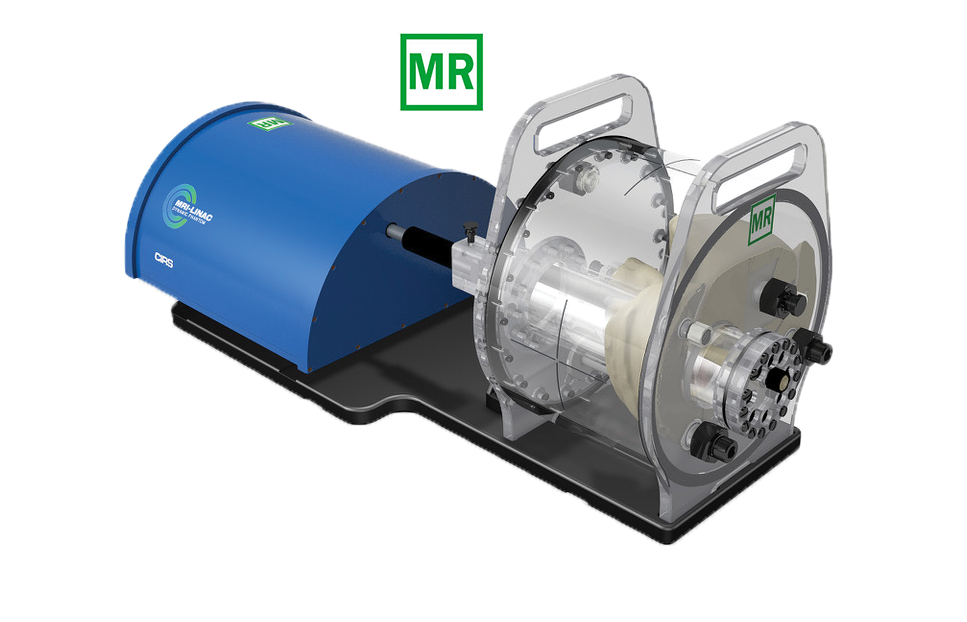
QA Phantoms are essential tools in radiotherapy quality assurance, helping healthcare teams test, verify, and monitor the performance of treatment and imaging workflows in a controlled and repeatable way. Used across hospitals, oncology centres, and medical physics departments, these devices simulate patient anatomy, tissue properties, motion, or treatment geometry so that equipment and processes can be assessed before or during routine clinical use.
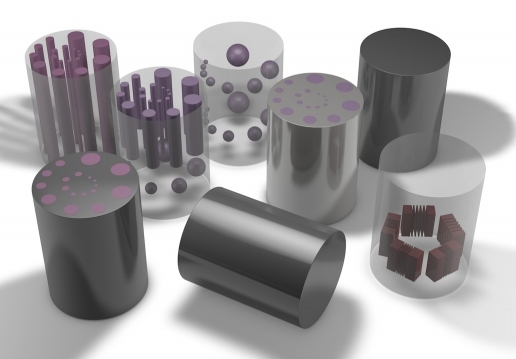 Open product: Model 700-QA CT Imaging QA Kit for Atom & CT Dose Phantoms – CIRS
Model 700-QA CT Imaging QA Kit for Atom & CT Dose Phantoms – CIRS
The Model 700-QA CT Imaging QA Kit for Atom & CT Dose Phantoms has been… Read more
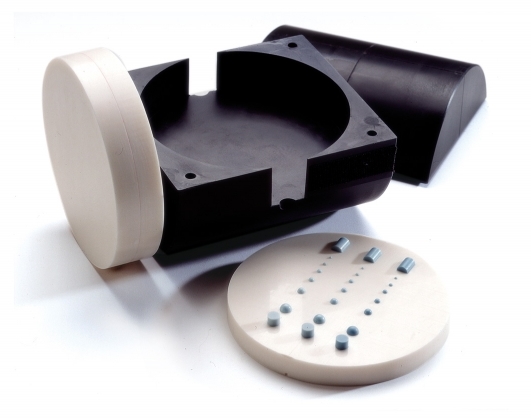 Open product: Model 061 Helical CT Phantom – CIRS
Model 061 Helical CT Phantom – CIRS
The Model 061 Helical CT Phantom has been designed to test scanning protocols to verify… Read more
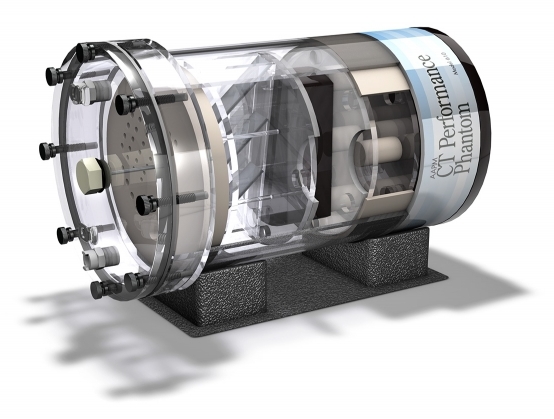 Open product: Model 610 AAPM CT Performance Phantom – CIRS
Model 610 AAPM CT Performance Phantom – CIRS
The CIRS Model 610 AAPM CT Performance Phantom: a single test object that measures ten… Read more
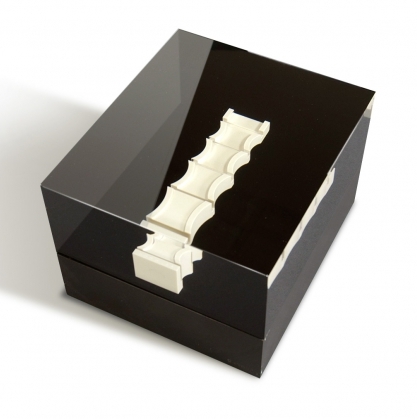 Open product: Model 026 DEXA Phantom – CIRS
Model 026 DEXA Phantom – CIRS
The Model 026 DEXA Phantom is a quality control tool for Dual-Energy X-ray Absorptiometry (DEXA)… Read more
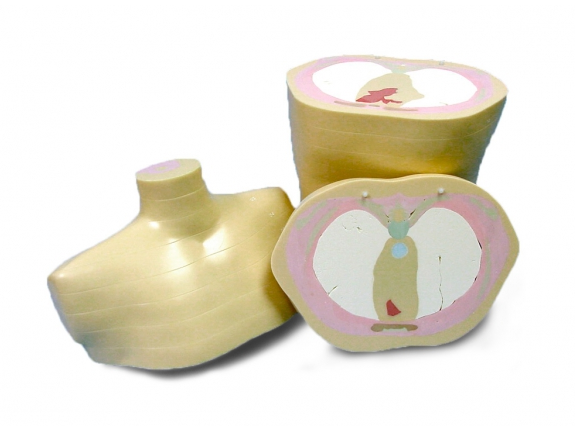 Open product: Model 600 3D Sectional Torso Phantom – CIRS
Model 600 3D Sectional Torso Phantom – CIRS
The Model 600 3D Sectional Torso Phantom has been designed for providing an accurate simulation… Read more
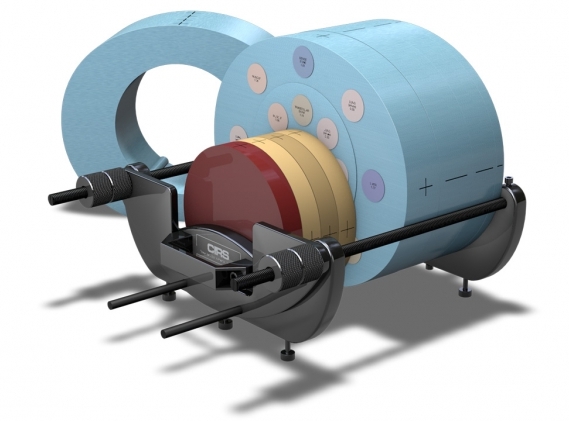 Open product: Model 062MQA CBCT Electron Density & Image Quality Phantom – CIRS
Model 062MQA CBCT Electron Density & Image Quality Phantom – CIRS
The Model 062MQA CBCT Electron Density & Image Quality Phantom is an instrument that can… Read more
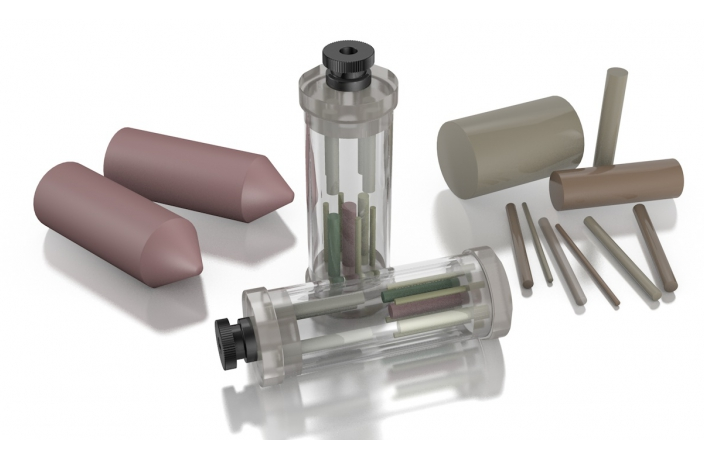 Open product: Models 090, 091 & 092 MicroMouse & Water Filled Mouse Phantoms – CIRS
Models 090, 091 & 092 MicroMouse & Water Filled Mouse Phantoms – CIRS
The Models 090, 091 & 092 MicroMouse & Water Filled Mouse Phantoms have been developed… Read more
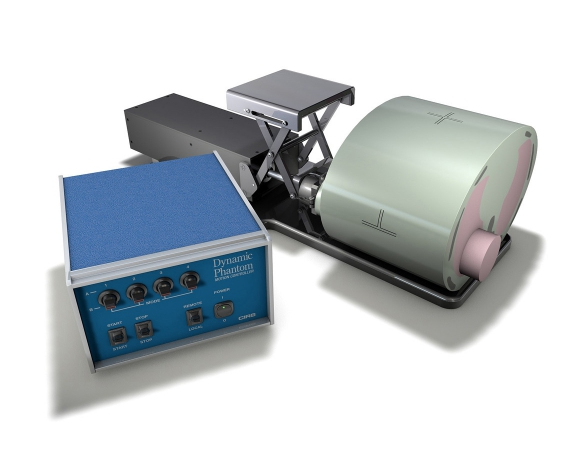 Open product: Models 18023 & 18043 Xsight Lung tracking Phantom Kit & 4D Planning Phantom – CIRS
Models 18023 & 18043 Xsight Lung tracking Phantom Kit & 4D Planning Phantom – CIRS
The Models 18023 & 18043 Xsight Lung tracking Phantom Kit & 4D Planning Phantom have… Read more
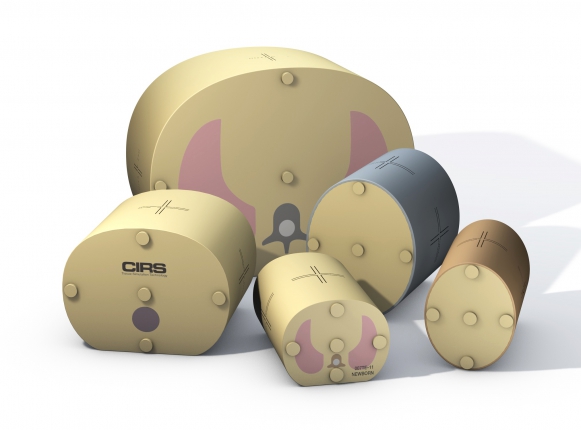 Open product: Model 007TE Tissue Equivalent CT Dose Phantoms – CIRS
Model 007TE Tissue Equivalent CT Dose Phantoms – CIRS
The CIRS Tissue Equivalent CT Dose Phantoms (model 007TE) accurately simulate the patient’s anatomy in… Read more
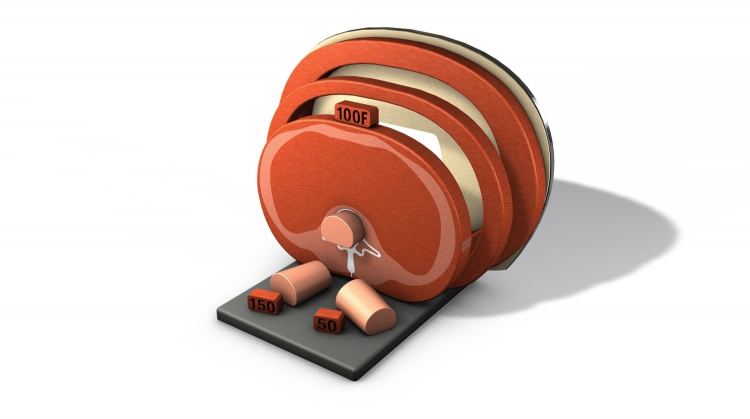 Open product: Model 004 CT Simulator for Bone Mineral Analysis – CIRS
Model 004 CT Simulator for Bone Mineral Analysis – CIRS
The Model 004 CT Simulator for Bone Mineral Analysis takes into account all the known sources… Read more
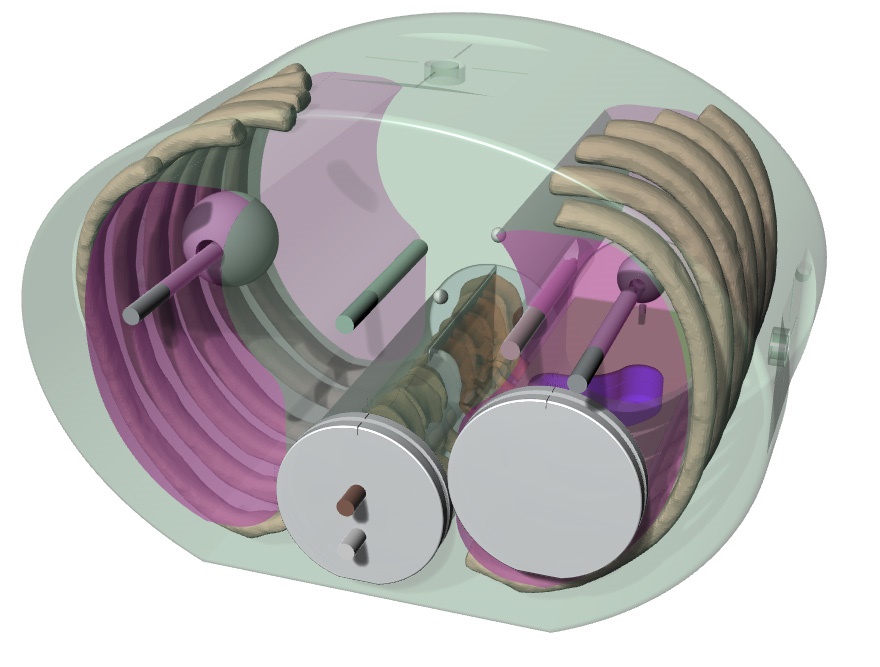 Open product: Model 036S-CVXX-xx E2E SBRT Phantom – CIRS
Model 036S-CVXX-xx E2E SBRT Phantom – CIRS
The E2E® SBRT Phantom with Removable Spine is a single tool for end-toend commissioning and… Read more
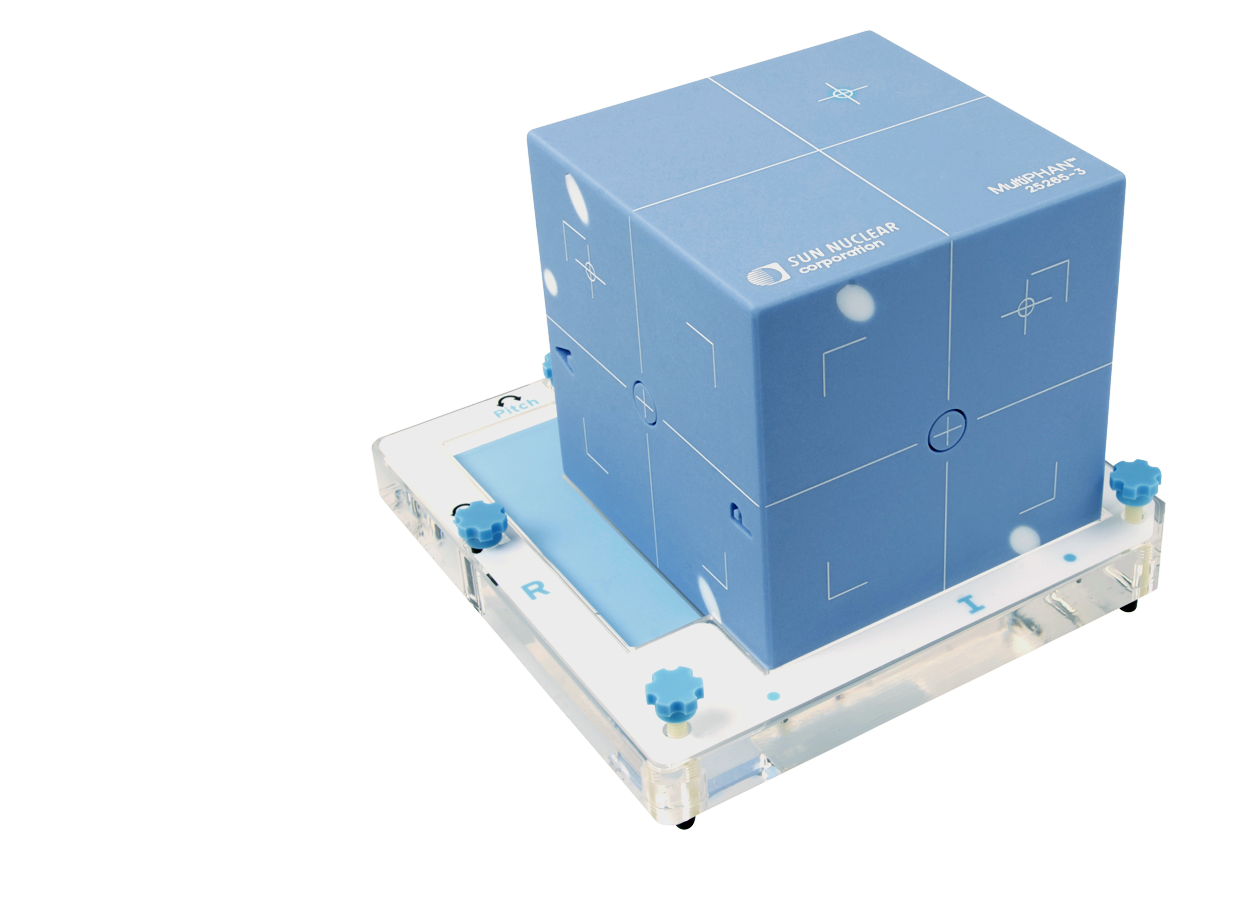 Open product: MultiPHAN™
MultiPHAN™
Daily Isocenter Checks Made Easy Ensure isocenters match from lasers to EPIDs to CBCT. MultiPHAN™… Read more
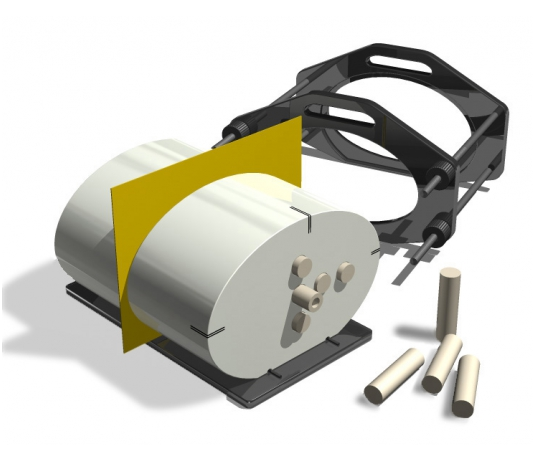 Open product: Model 002H5 IMRT Phantom for Film and Ion chamber Dosimetry – CIRS
Model 002H5 IMRT Phantom for Film and Ion chamber Dosimetry – CIRS
The Model 002H5 IMRT Phantom for Film and Ion chamber Dosimetry has been developed to… Read more
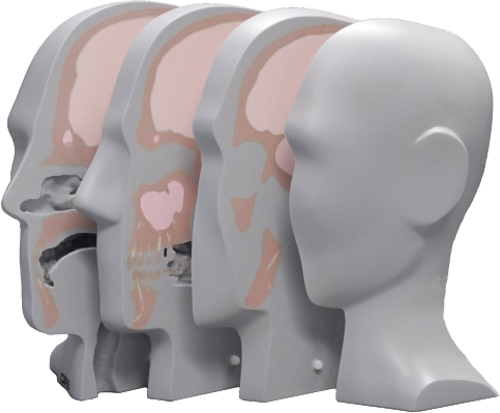 Open product: Proton Therapy Dosimetry Head (Model 731-HN) – CIRS
Proton Therapy Dosimetry Head (Model 731-HN) – CIRS
The CIRS Proton Therapy Dosimetry Head is an anthropomorphic head phantom designed for commissioning and… Read more
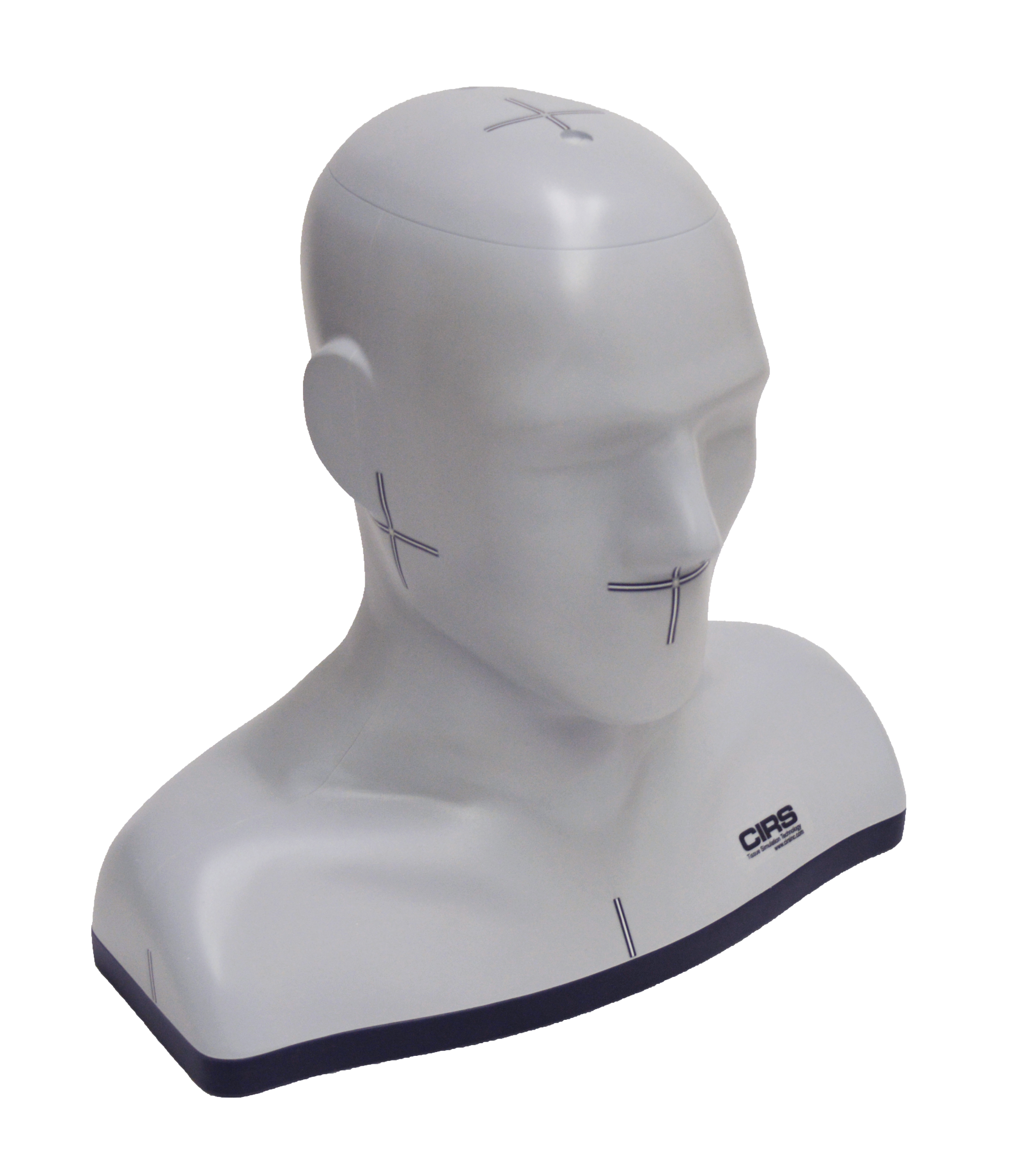 Open product: Shoulder, Head and Neck End-to-End Verification Phantom (SHANE)
Shoulder, Head and Neck End-to-End Verification Phantom (SHANE)
The CIRS Shoulder, Head and Neck End-to-End Verification Phantom (SHANE) is designed for end-to-end testing… Read more
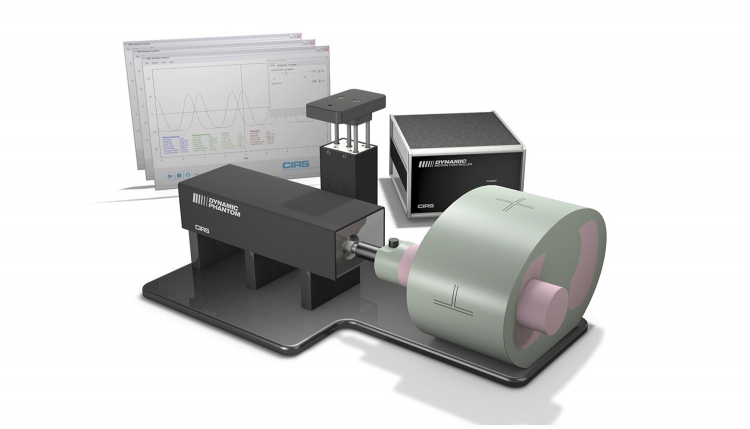 Open product: Model 008A Dynamic Thorax Phantom – CIRS
Model 008A Dynamic Thorax Phantom – CIRS
The CIRS Dynamic Thorax Phantom (model 008A) is a precision instrument for investigating and minimising… Read more
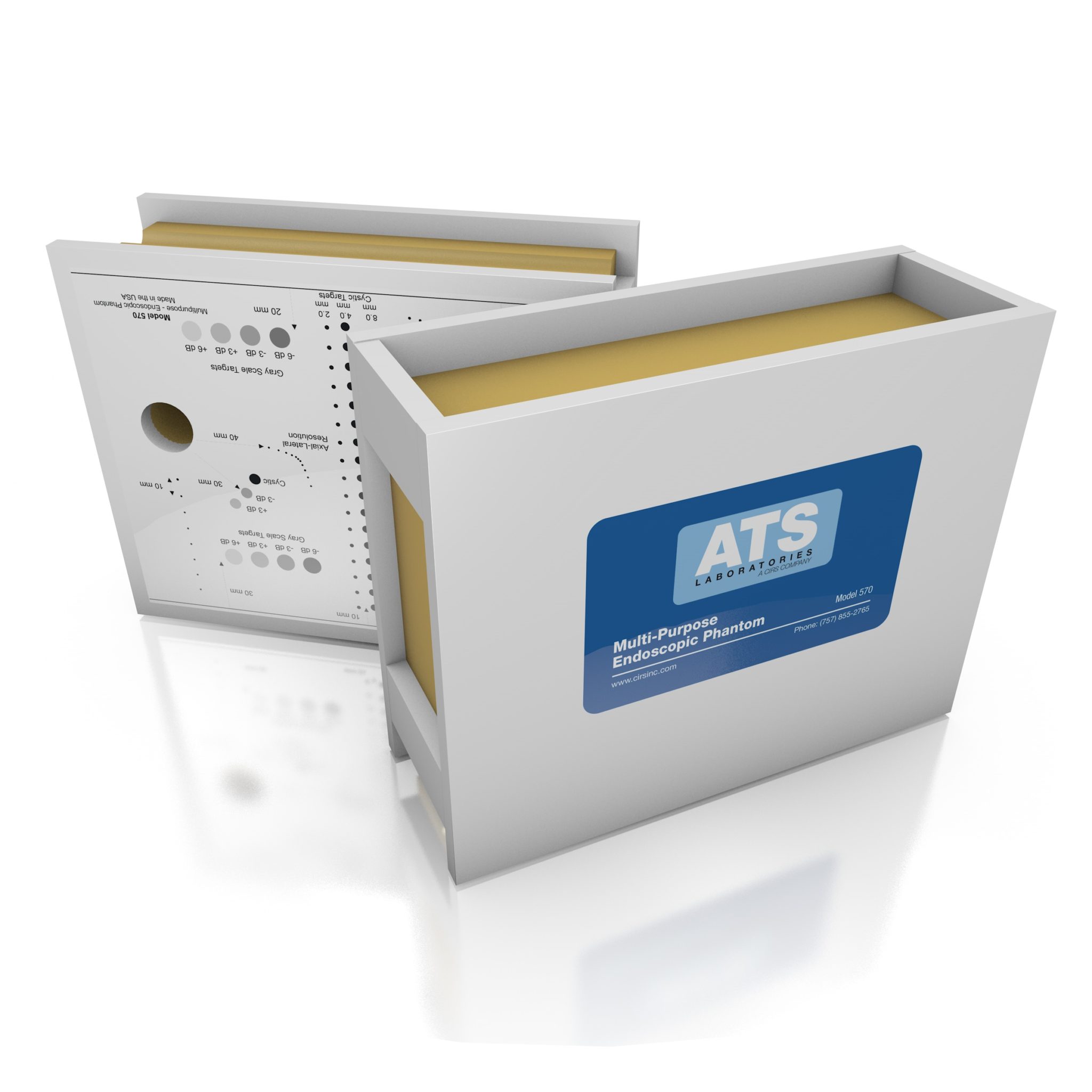 Open product: Multipurpose & Endoscopic Phantom (Model ATS 570) – CIRS
Multipurpose & Endoscopic Phantom (Model ATS 570) – CIRS
The Multipurpose and Endoscopic Phantom (Model ATS 570) is an easy, comprehensive means of evaluating… Read more
 Open product: Advanced iqModules™ – Sun Nuclear
Advanced iqModules™ – Sun Nuclear
Expanded Image Quality CT QA Perform robust image quality testing of advanced CT systems with… Read more
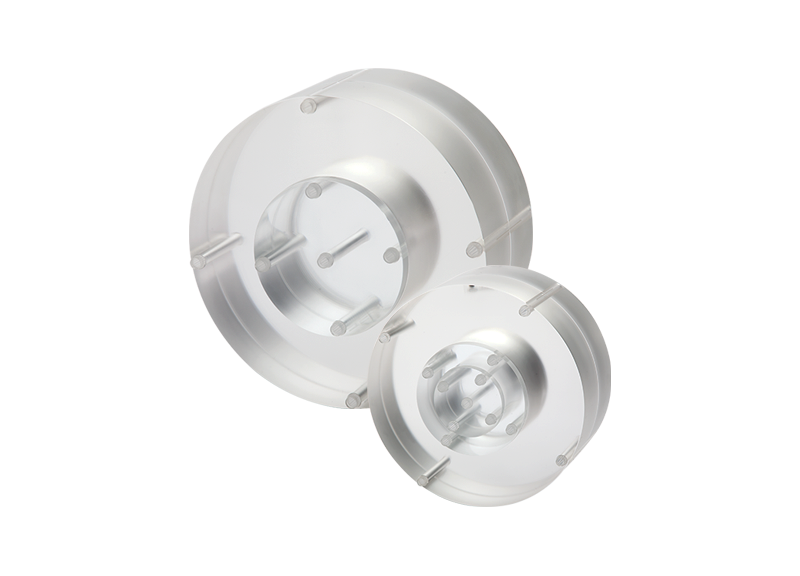 Open product: CTDI Phantoms – Sun Nuclear
CTDI Phantoms – Sun Nuclear
This Computed Tomography Dose Index (CTDI) Phantom by Sun Nuclear (formerly Gammex) is used to… Read more
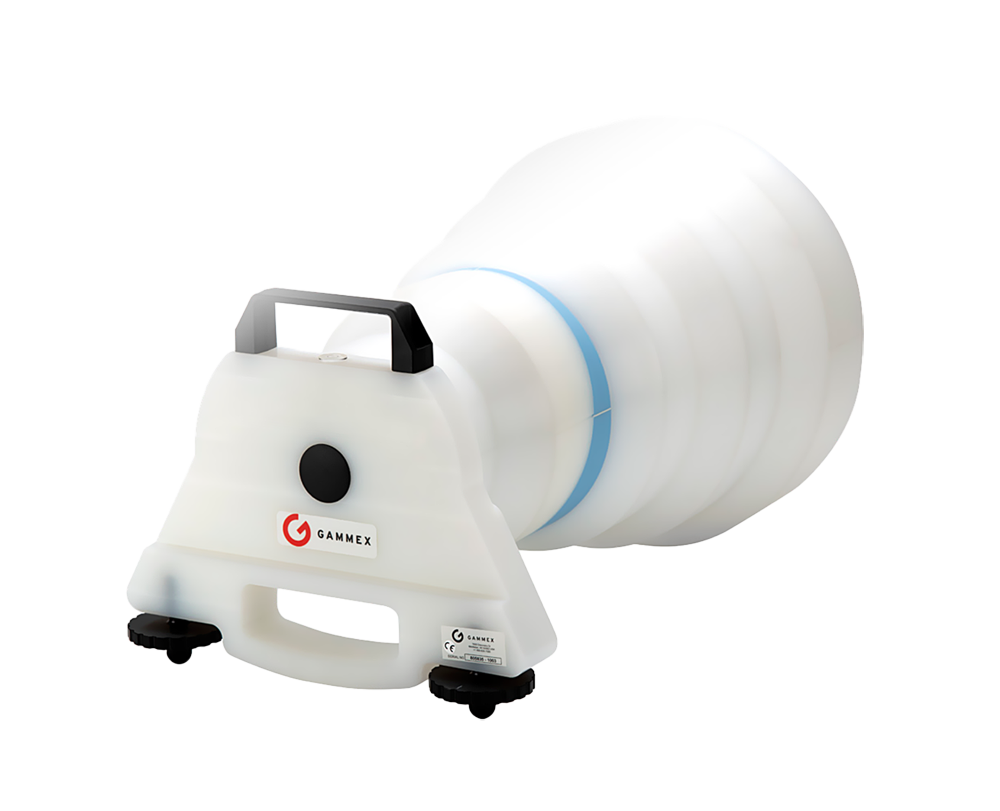 Open product: Mercury 4.0 Phantom – Sun Nuclear
Mercury 4.0 Phantom – Sun Nuclear
This Advanced CT Performance Assessment Phantom makes it possible to characterize advanced CT features, including… Read more
 Open product: CT Perfusion Phantom – Sun Nuclear
CT Perfusion Phantom – Sun Nuclear
Sun Nuclear’s (formerly Gammex) CT Perfusion Phantom is designed to mimic the injection of a… Read more
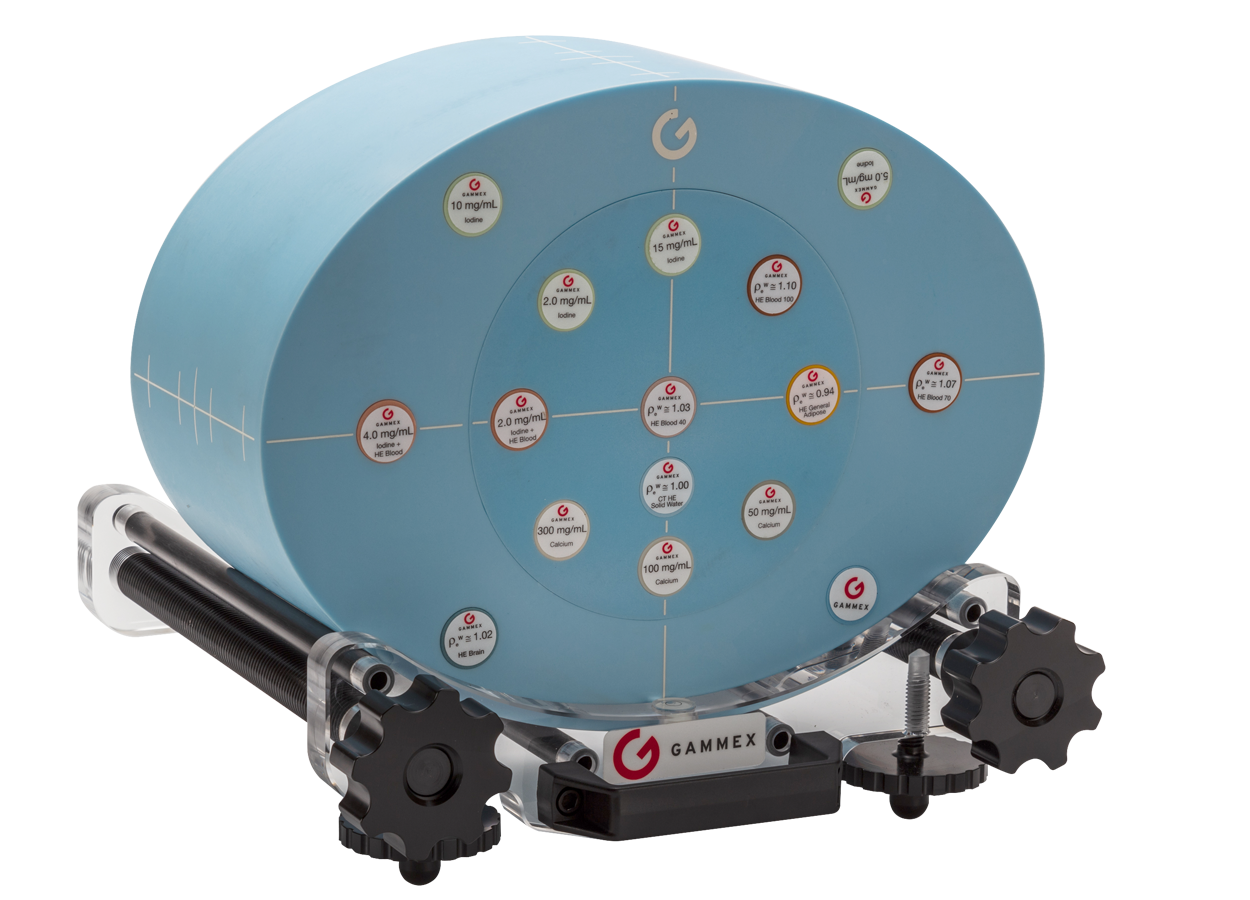 Open product: Advanced Electron Density Phantom – Sun Nuclear
Advanced Electron Density Phantom – Sun Nuclear
The Advanced Electron Density Phantom from Sun Nuclear (formerly Gammex) accurately converts CT values to… Read more
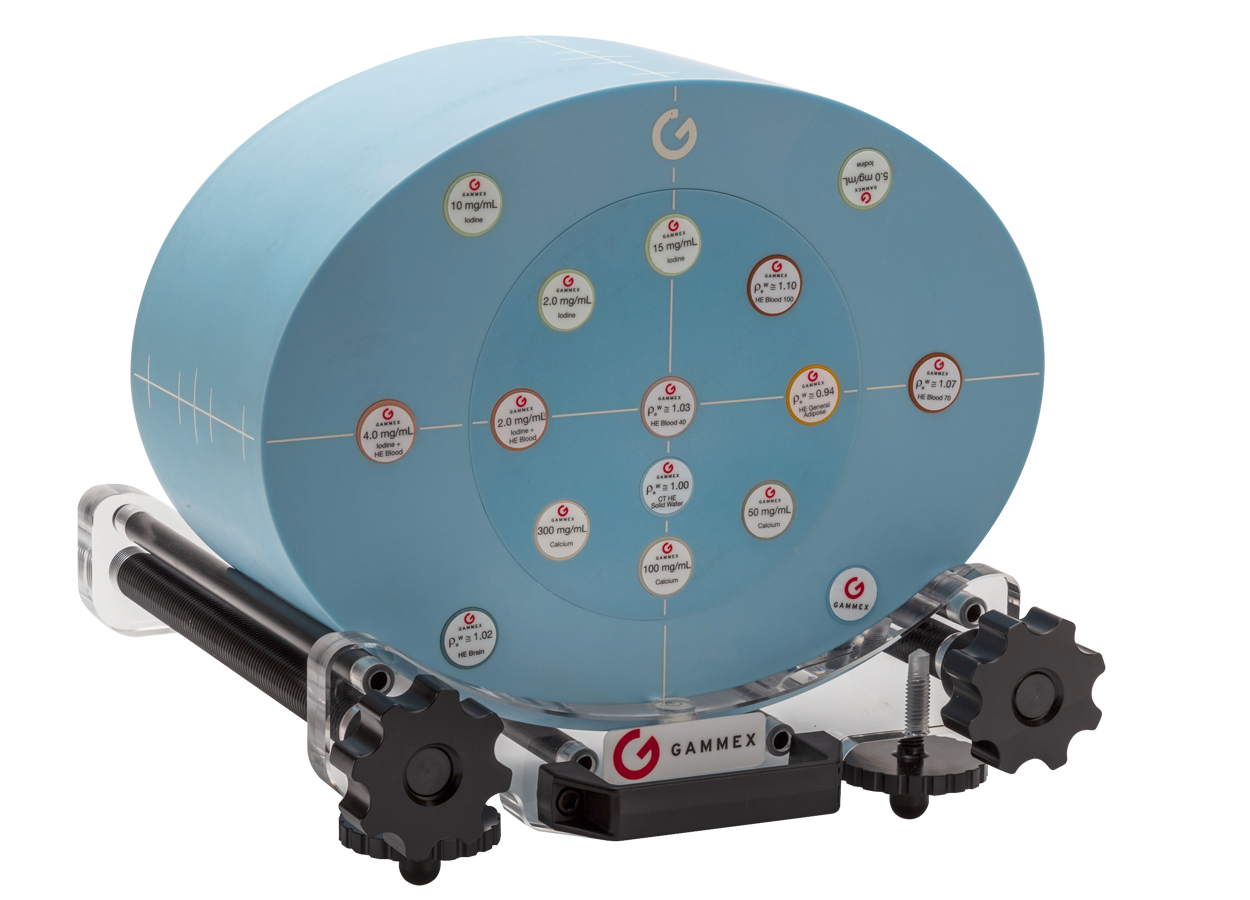 Open product: Multi Energy CT Phantom – Sun Nuclear
Multi Energy CT Phantom – Sun Nuclear
To ensure the performance and consistency of your multi-energy scans, Sun Nuclear (formerly Gammex) developed… Read more
 Open product: Solid Water HE – Sun Nuclear
Solid Water HE – Sun Nuclear
Solid Water HE from Sun Nuclear (formerly Gammex) is the next generation of solid water.… Read more
 Open product: Model 701-706 ATOM Dosimetry Verification Phantoms – CIRS
Model 701-706 ATOM Dosimetry Verification Phantoms – CIRS
The CIRS Model 701-706 ATOM Dosimetry Verification Phantoms are a complete line of anthropomorphic, cross… Read more
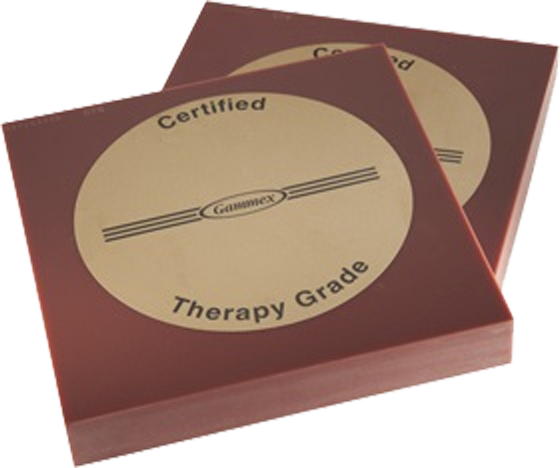 Open product: Model 457-CTG – Sun Nuclear
Model 457-CTG – Sun Nuclear
Certified Therapy Grade Solid Water® from Sun Nuclear (formerly Gammex) is a specially developed grade… Read more
 Open product: Model 457, Standard Grade Solid Water – Sun Nuclear
Model 457, Standard Grade Solid Water – Sun Nuclear
Standard Grade Solid Water from Sun Nuclear (formerly Gammex) mimics the absorption characteristics of water… Read more
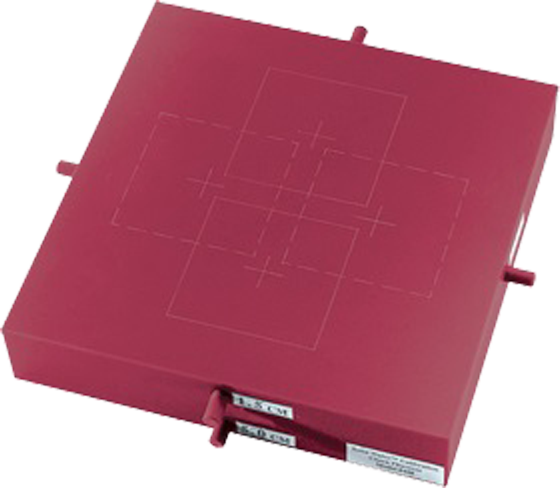 Open product: Model 458 – Calibration Check Phantom – Sun Nuclear
Model 458 – Calibration Check Phantom – Sun Nuclear
The Sun Nuclear (formerly Gammex) model 458 Calibration Check Phantom is an excellent test tool… Read more
 Open product: Model 450, 452, 453, 454, 455, 456, 481 and 482 – Tissue Equivalent Materials – Sun Nuclear
Model 450, 452, 453, 454, 455, 456, 481 and 482 – Tissue Equivalent Materials – Sun Nuclear
Tissue Equivalent Materials from Sun Nuclear (formerly Gammex) allow simple, convenient and accurate simulations for… Read more
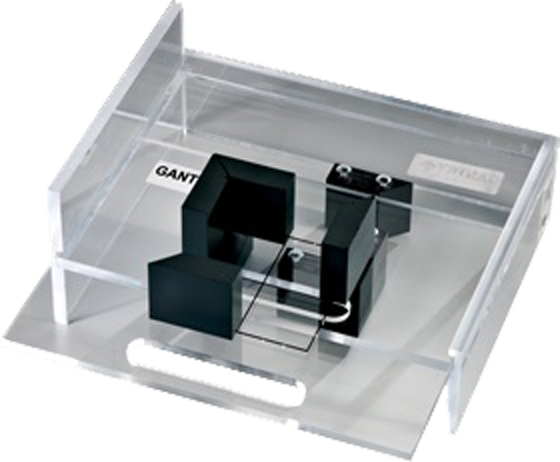 Open product: Model 430 – Beam Alignment Test Instrument – Sun Nuclear
Model 430 – Beam Alignment Test Instrument – Sun Nuclear
The Sun Nuclear (formerly Gammex) 430 Beam Alignment Test Instrument is an instrument used to… Read more
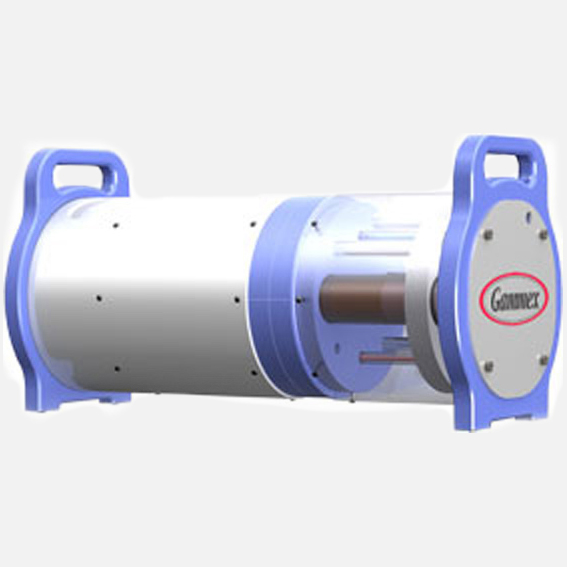 Open product: Model 432 – CT Perfusion Phantom – Sun Nuclear
Model 432 – CT Perfusion Phantom – Sun Nuclear
The Sun Nuclear CT Perfusion Phantom with Gammex technology is designed to mimic a perfusion… Read more
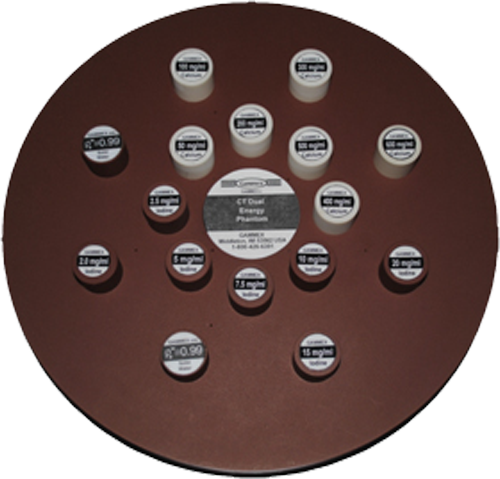 Open product: Model 472 – Dual Energy Characterization CT Phantom – Sun Nuclear
Model 472 – Dual Energy Characterization CT Phantom – Sun Nuclear
The Sun Nuclear Dual Energy Characterization CT Phantom with Gammex technology provides users with the… Read more
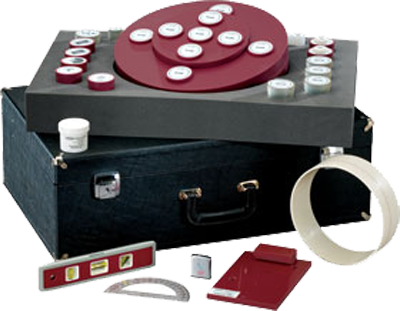 Open product: Model 461A – Head / Body CT Phantom – Sun Nuclear
Model 461A – Head / Body CT Phantom – Sun Nuclear
Sun Nuclear’s (formerly Gammex) model 461A Head/ Body CT Phantom provides a set of tools… Read more
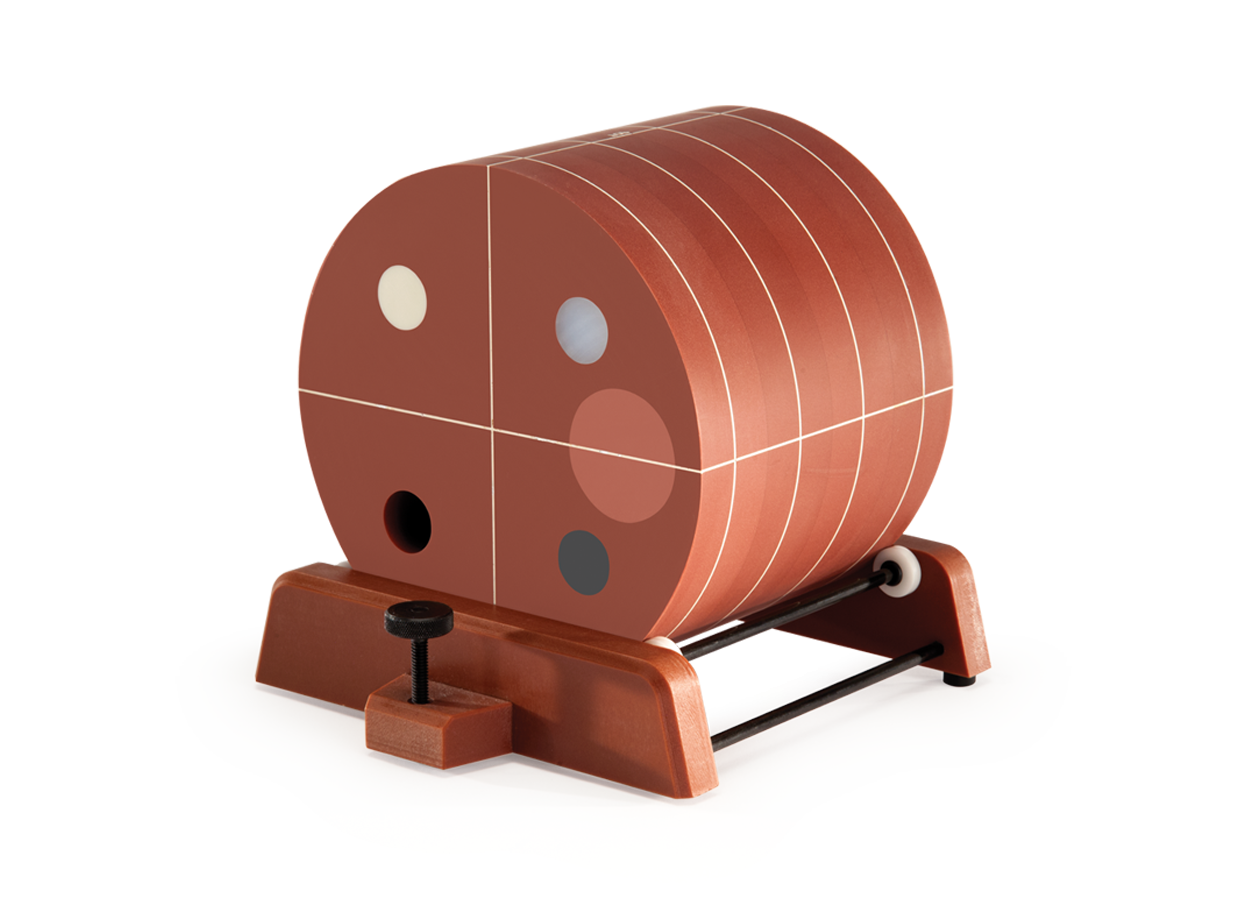 Open product: CT ACR 464 Phantom – Sun Nuclear
CT ACR 464 Phantom – Sun Nuclear
The ACR CT Accreditation Phantom from Sun Nuclear (Gammex) is designed to be an integral… Read more
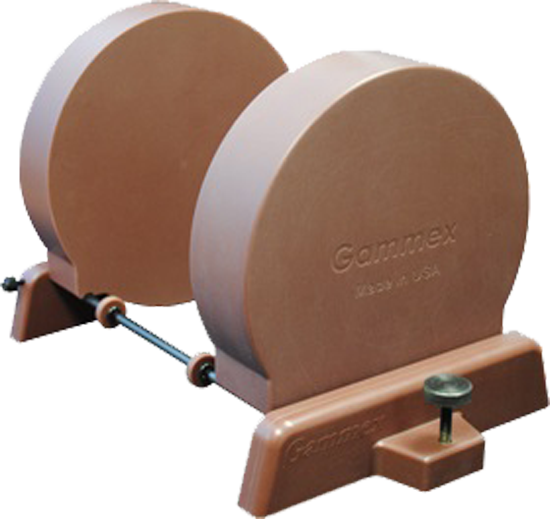 Open product: Model 464 – ACR CT Accreditation Extension Plates – Sun Nuclear
Model 464 – ACR CT Accreditation Extension Plates – Sun Nuclear
Accurately represent scatter effects from widebeam CT scanners with the ACR 464 extension plates from… Read more
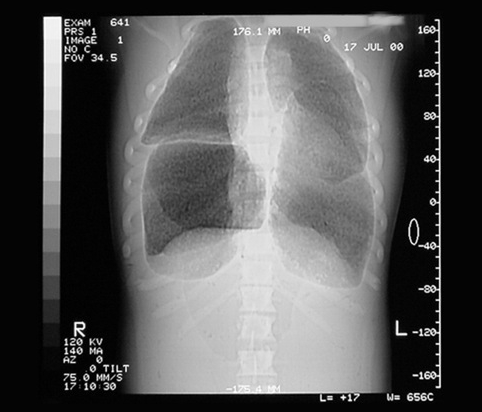 Open product: Model 602 3-Dimensional Torso Phantom – CIRS
Model 602 3-Dimensional Torso Phantom – CIRS
The Model 602 3-Dimensional Torso Phantom has been developed to deliver an accurate simulation of… Read more
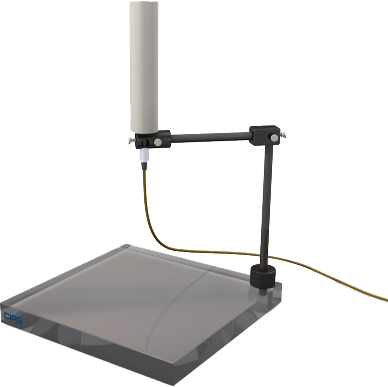 Open product: Model 670 & 670S Water Equivalent Mini Phantom – CIRS
Model 670 & 670S Water Equivalent Mini Phantom – CIRS
The Model 670 & 670S Water Equivalent Mini Phantom is designed for precise evaluation of… Read more
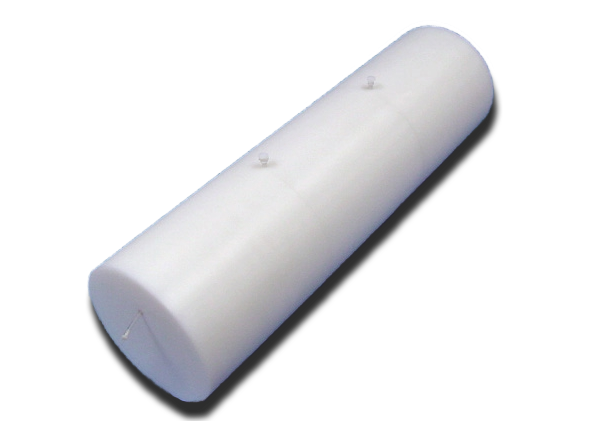 Open product: Model 800 NEMA PET Scatter Phantom – CIRS
Model 800 NEMA PET Scatter Phantom – CIRS
The CIRS Model 800 NEMA PET Scatter Phantom has been designed for NEMA standard NU2-2007.… Read more
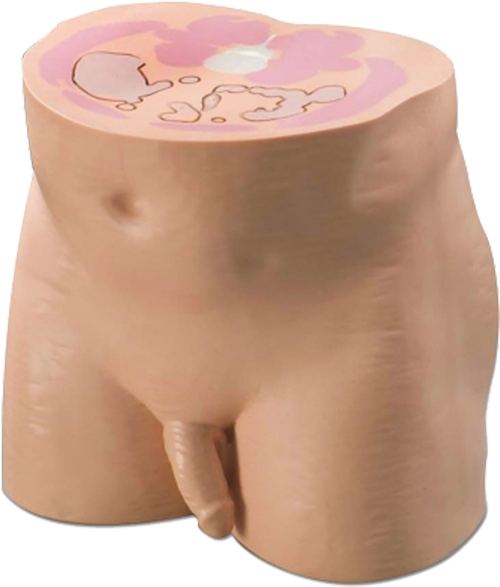 Open product: Model 801-P Virtually Human Male Pelvis Phantom – CIRS
Model 801-P Virtually Human Male Pelvis Phantom – CIRS
The Model 801-P Virtually Human Male Pelvis Phantom is the most realistic tissue equivalent phantom… Read more
 Open product: Model PW Plastic Water – CIRS
Model PW Plastic Water – CIRS
CIRS PW Plastic Water is a water equivalent for use with photon and electron beams… Read more
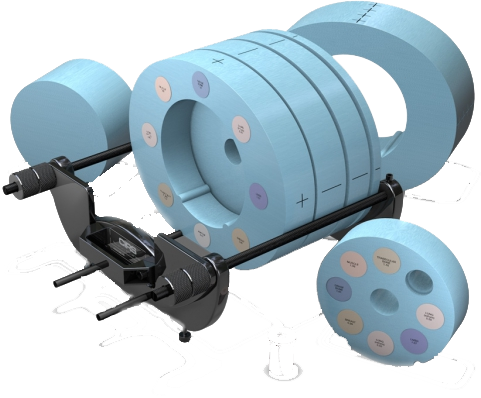 Open product: Model 062MA CBCT Electron Density Phantom – CIRS
Model 062MA CBCT Electron Density Phantom – CIRS
The Model 062MA CBCT Electron Density Phantom has been designed for Cone Beam CT Imaging… Read more
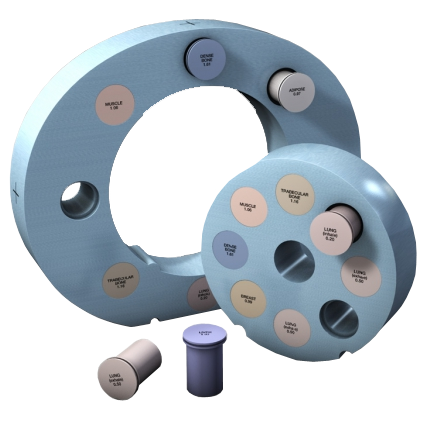 Open product: Model 062M Electron Density Phantom – CIRS
Model 062M Electron Density Phantom – CIRS
CIRS designed this phantom for precise correlation of CT data to electron density of various… Read more
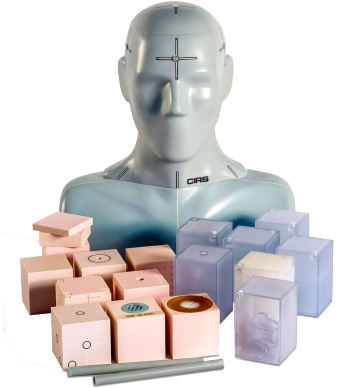 Open product: Model 038 STEEV Steriotactic End-to-end Verification Phantom Patient
Model 038 STEEV Steriotactic End-to-end Verification Phantom Patient
STEEVTM Phantom The STEEV Phantom provides the most realistic clinical simulation to perform end-to-end testing of… Read more
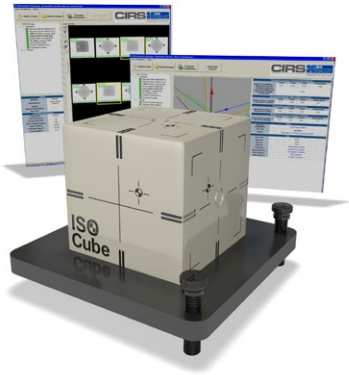 Open product: Model 023 ISO Cube Daily QA Phantom – CIRS
Model 023 ISO Cube Daily QA Phantom – CIRS
Target positioning through imaging guidance is critical for the accurate delivery of radiation treatment. Verifying… Read more
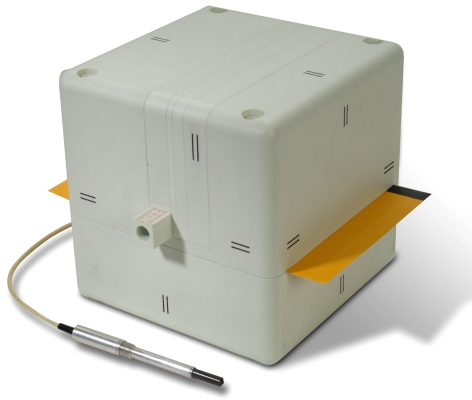 Open product: Model 009 Cube 20 Phantom – CIRS
Model 009 Cube 20 Phantom – CIRS
The Model 009 Cube 20 Phantom has been designed for routine QA in RT and… Read more
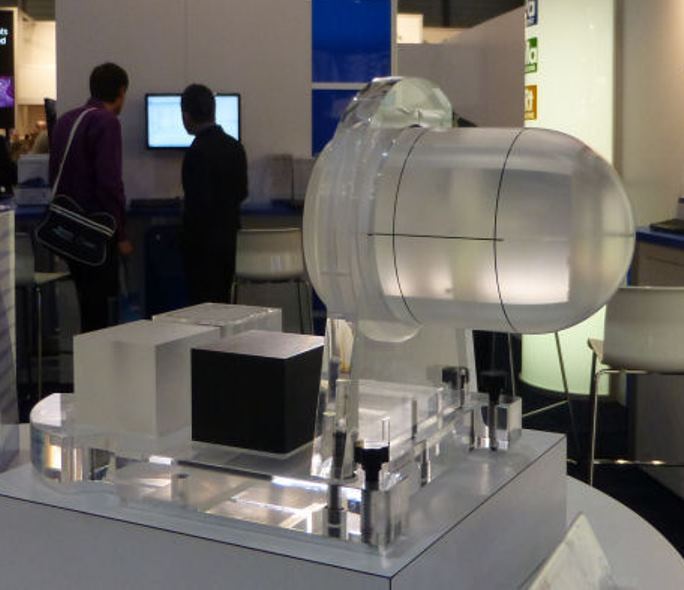 Open product: StereoPHAN Phantom – Sun Nuclear
StereoPHAN Phantom – Sun Nuclear
StereoPHAN is designed for end-to-end commissioning and quality assurance testing on all parts of the… Read more
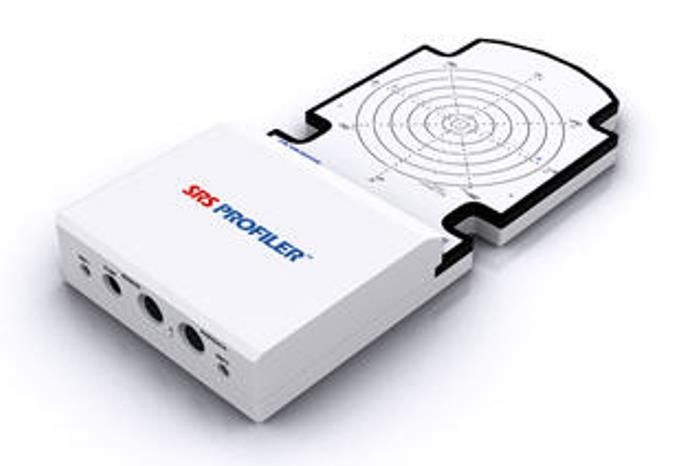 Open product: SRS Profiler – Sun Nuclear
SRS Profiler – Sun Nuclear
The SRS Profiler (Sun Nuclear) is a refined beam QA device for stereotactic radiosurgery areas… Read more
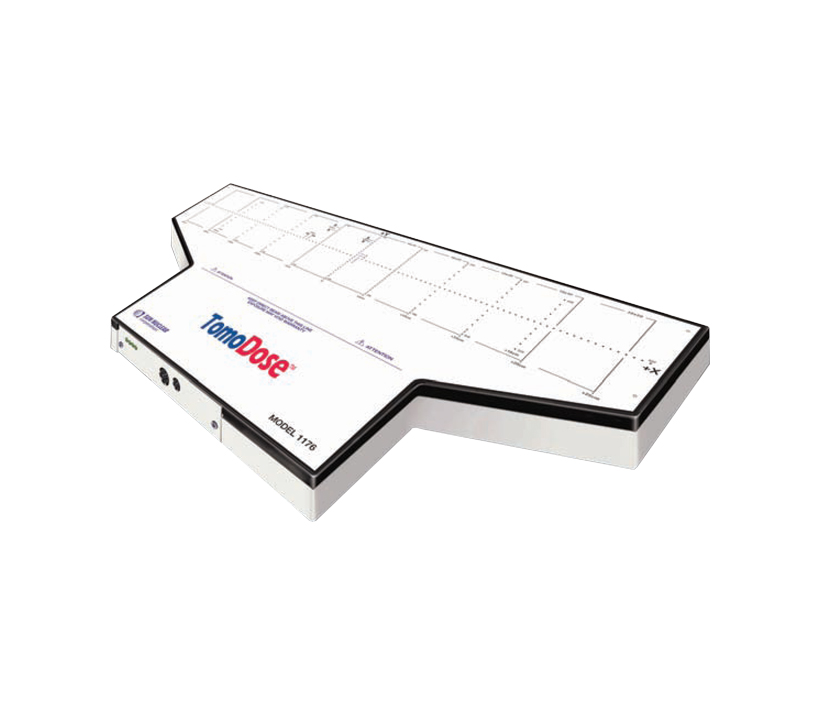 Open product: TomoDose Scanning System – Sun Nuclear
TomoDose Scanning System – Sun Nuclear
The TomoDose (Sun Nuclear) is a two dimensional array for trouble-shooting and QA measurements of… Read more
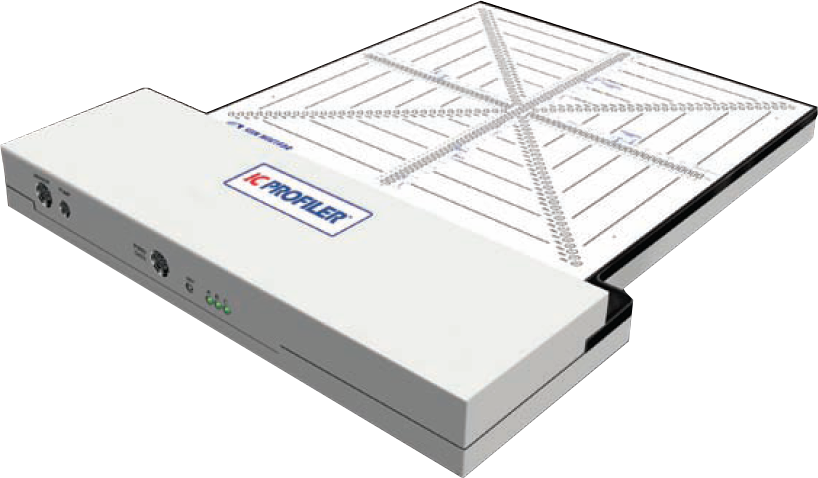 Open product: IC Profiler – Sun Nuclear
IC Profiler – Sun Nuclear
The IC Profiler (Sun Nuclear) is an ionization chamber based solution for direct QA on… Read more
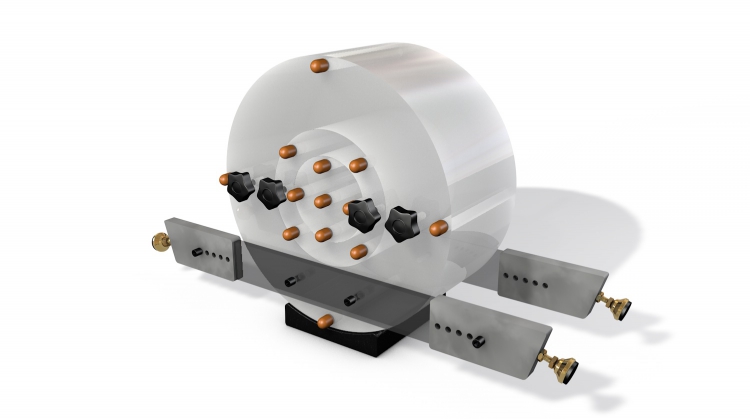 Open product: Model 007 & 007A CT Dose Phantoms – CIRS
Model 007 & 007A CT Dose Phantoms – CIRS
Each section of the Model 007 & 007A CT Dose Phantoms can provide separate dose information.… Read more
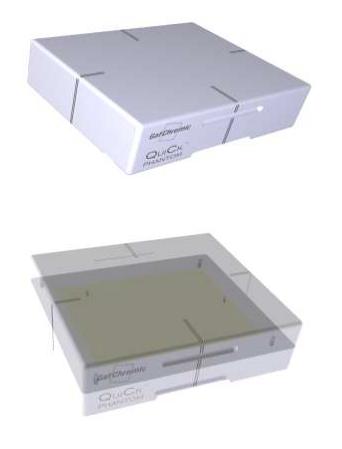 Open product: Gafchromic Quick Phantom – Ashland
Gafchromic Quick Phantom – Ashland
The Gafchromic Quick Phantom (Ashland) is used for accurate and fast radiation therapy QA procedures. The… Read more
In modern radiotherapy, accuracy matters at every stage, from commissioning and machine QA to patient-specific plan verification and image-guided workflows. QA phantoms support these tasks by providing a standardised platform for measurement, comparison, and workflow validation. Depending on the application, they may be used with detector arrays, ion chambers, film dosimetry, image guidance systems, or treatment planning software.
For procurement teams and clinical buyers, QA phantoms are not simply accessories. They are part of the technical infrastructure that supports safe, consistent radiotherapy services and structured quality assurance programmes. PEO Medical supplies QA phantom solutions for healthcare providers seeking dependable products for routine use, evaluation, and project-based implementation.
What is QA Phantoms?
QA Phantoms are specialised devices used to simulate clinical conditions for the testing and verification of radiotherapy and related imaging systems. They are designed to provide consistent, measurable conditions so that healthcare teams can assess machine performance, targeting accuracy, dose distribution, image quality, and workflow reliability.
Some phantoms are simple and task-specific, while others are modular or anthropomorphic to represent more realistic patient anatomy. In radiotherapy, QA phantoms are used for activities such as commissioning new systems, performing routine machine checks, validating image-guided workflows, and supporting end-to-end verification.
For healthcare organisations, QA phantoms help bridge the gap between treatment planning, machine delivery, and quality assurance. They support evidence-based verification rather than assumption, which is important in departments managing complex radiotherapy pathways.
How QA Phantoms Products Are Used
QA Phantoms are used throughout the radiotherapy workflow. During commissioning, teams use them to test and validate new treatment systems, imaging platforms, and dosimetry processes before clinical deployment. During routine quality assurance, phantoms help assess machine consistency, geometric accuracy, and workflow repeatability.
They are also used in patient-specific QA and end-to-end verification, where the aim is to confirm that planning, setup, imaging, and delivery processes work together as intended. In some applications, phantoms support motion management or image-guided radiotherapy testing, while in others they are used for dosimetric measurements with film, chambers, or detector systems.
For clinical and technical teams, this means QA phantoms contribute to structured verification without direct patient involvement. For procurement teams, it means selecting the right phantom type can directly affect how efficiently a department performs QA tasks.
Applications of QA Phantoms
Hospitals
Hospitals use QA phantoms to support radiotherapy commissioning, machine QA, and verification workflows within cancer treatment services.
Radiotherapy
Radiotherapy departments rely on QA phantoms for patient QA, linac testing, dosimetry, motion assessment, and end-to-end workflow validation.
Radiology
Some phantom applications extend to imaging assessment, geometric checks, and image quality validation within radiation-related services.
Oncology
Oncology centres use phantom-based testing to support consistent treatment workflows and technical quality assurance.
Clinics and outpatient centres
Specialist outpatient radiotherapy centres may use compact or task-specific QA phantoms for routine machine and workflow checks.
Diagnostic laboratories
Medical physics and technical laboratories use QA phantoms for product evaluation, training, measurement studies, and procedure development.
Nuclear Medicine
Although this category is primarily radiotherapy-focused, some institutions with broader radiation science services may use phantom-based testing in cross-disciplinary technical environments.
Key Features and Capabilities
- Designed for repeatable quality assurance and verification workflows
- Available in modular, anthropomorphic, motion, and task-specific formats
- Suitable for commissioning, routine QA, and end-to-end verification
- Can support dosimetric, geometric, and image-based assessment
- Compatible with detector systems, film, dosimetry tools, and imaging workflows
- Built for reliable setup and practical use in clinical physics environments
- Helps standardise measurements across teams and departments
- Supports documentation and structured QA procedures
- Available for different facility sizes and technical requirements
Benefits of Using QA Phantoms
Using QA Phantoms can improve consistency in how radiotherapy services are tested and maintained. For clinical teams, phantoms support practical verification of technical performance without involving patients. For medical physics departments, they provide a dependable reference environment for measurement and comparison.
Operationally, this can make QA workflows more structured and repeatable. It also helps departments identify which phantom types are best suited to their routine checks, commissioning activities, or verification tasks. From a procurement perspective, the right phantom solution can offer long-term value by fitting existing workflows, reducing unnecessary complexity, and supporting the efficient use of associated dosimetry and imaging systems.
Choosing the Right QA Phantoms
Choosing the right QA Phantoms starts with understanding the intended clinical or technical application. A department commissioning new radiotherapy equipment may require different phantom capabilities from one focused mainly on daily machine QA or image-guided verification.
Buyers should review:
- whether the phantom is needed for dosimetry, geometry, motion, or image quality assessment
- whether anthropomorphic or modular design is required
- compatibility with existing detectors, film, and software
- physical size, portability, and ease of setup
- training requirements for physics and technical staff
- maintenance expectations and long-term usability
Facility type also matters. Large oncology centres may need a broader phantom portfolio, while smaller departments may prefer flexible, task-specific solutions. Procurement teams should also consider internal QA procedures, reporting needs, and whether the phantom will support single or multiple workflows.
Our QA Phantoms Solutions
PEO Medical supplies QA Phantoms for radiotherapy departments, oncology programmes, and healthcare projects requiring dependable verification tools. Our category includes phantom solutions suitable for patient QA, machine QA, dosimetry support, and workflow validation.
With OEM partners such as Sun Nuclear Corporation and Ashland, PEO Medical supports facilities looking for trusted brands within broader radiotherapy QA programmes. Depending on the application, buyers may require phantoms used alongside detector systems, image-guided workflows, or film-based dosimetry processes. This allows departments to select solutions that align with their technical needs rather than relying on one-size-fits-all equipment.
For procurement teams, our QA phantom portfolio is relevant for routine departmental purchasing as well as larger radiotherapy development projects.
Why Choose PEO Medical
PEO Medical supports healthcare providers with a broad portfolio across radiotherapy, medical imaging, radiology, nuclear medicine, laboratory research, dental, and veterinary sectors. That wider capability is useful for hospitals and project buyers seeking coordinated sourcing rather than isolated product purchases.
We work with recognised manufacturer partners and support public and private healthcare buyers, distributors, NGOs, and government health organisations. Our team understands the importance of selecting suitable technical solutions for clinical environments, while also helping procurement teams manage equipment planning, sourcing, and delivery requirements.
Conclusion
QA Phantoms are a practical and important part of radiotherapy quality assurance. They help healthcare teams test, verify, and maintain equipment and workflows in a structured and repeatable way, supporting commissioning, routine QA, and broader technical evaluation.
PEO Medical supplies QA phantom solutions for hospitals, oncology centres, medical physics teams, and healthcare projects. Explore the products in this category or contact PEO Medical for guidance on selecting the right QA phantoms for your radiotherapy environment.


