Proton
Proton quality assurance products support the safe, consistent, and measurable delivery of proton therapy in modern radiotherapy environments. In proton therapy, precise dose placement and beam behaviour are central to treatment planning and verification, so specialist QA tools are used to assess machine performance, dose distribution, phantom-based measurements, and plan verification workflows. For hospitals, cancer centres, and medical physics teams, this category is important because proton therapy requires dedicated dosimetry, verification, and commissioning processes that differ from standard photon-based radiotherapy.
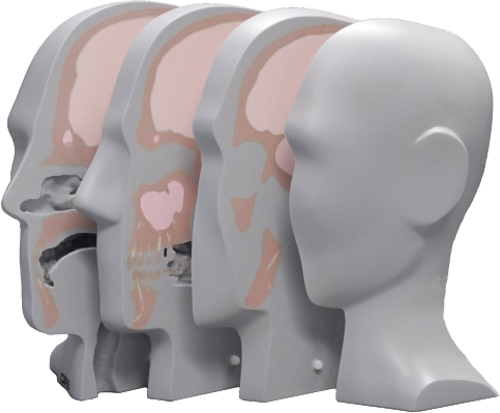
- Open product: Proton Therapy Dosimetry Head (Model 731-HN) – CIRS
Proton Therapy Dosimetry Head (Model 731-HN) – CIRS
The CIRS Proton Therapy Dosimetry Head is an anthropomorphic head phantom designed for commissioning and… Read more
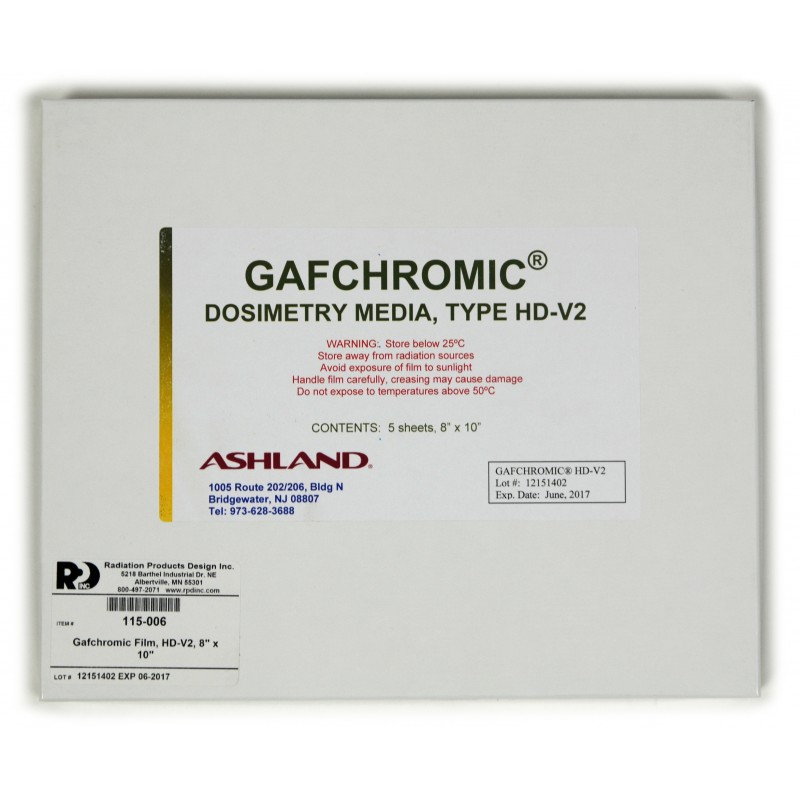 Open product: Gafchromic HD-V2 Radiochromic Film – Ashland
Gafchromic HD-V2 Radiochromic Film – Ashland
Gafchromic HDV2 radiochromic film is designed for quantitative measurement of absorbed doses of high-energy photons.… Read more
Healthcare buyers also need clarity on how these products fit into a complete clinical programme. Proton QA may involve detector systems, film dosimetry, software, and anthropomorphic or tissue-equivalent phantoms used for commissioning, routine checks, and patient-specific quality assurance. PEO Medical supports these needs with products from recognised partners including Sun Nuclear Corporation and Ashland, helping healthcare organisations source proton QA solutions suitable for clinical use, technical evaluation, and procurement planning.
What is Proton?
In this category, Proton refers to quality assurance, dosimetry, and verification solutions used in proton therapy and related particle therapy workflows. These products are not treatment systems themselves; they are the tools used to measure, verify, and support the performance of proton therapy equipment and treatment plans.
Typical products in a proton category include dosimetry devices, detector arrays, film-based measurement media, phantoms, and software used by medical physicists and radiotherapy teams. Their role is to help confirm that planned dose delivery matches measured performance during commissioning, routine QA, and patient plan verification. In practical terms, proton QA helps healthcare teams maintain robust radiotherapy workflows and supports confidence in technical performance across treatment programmes.
How Proton Products Are Used
Proton products are used throughout the quality assurance pathway in proton therapy centres. During commissioning, teams use measurement devices and phantoms to evaluate beam behaviour, range-related characteristics, and system performance before clinical operation. During routine QA, these tools help physics teams check consistency, detect deviations, and document machine status over time.
For patient-specific workflows, proton QA products may be used to compare calculated treatment parameters with measured data. Film dosimetry, detector-based measurements, and phantom studies can all contribute to plan verification and workflow validation. These processes support radiotherapy teams in maintaining reliable operations and structured QA procedures within cancer treatment environments.
Applications of Proton
Hospitals
Large hospitals and specialist cancer centres use proton QA products as part of their radiotherapy physics and treatment verification programmes.
Radiotherapy
Proton therapy services rely on dedicated dosimetry and verification tools for commissioning, machine QA, and plan validation.
Radiology
Some supporting imaging and simulation workflows may involve phantom-based assessment and alignment checks within broader radiation services.
Oncology
Oncology departments operating proton treatment programmes need QA equipment that fits their treatment planning and verification processes.
Clinics and outpatient centres
Where outpatient proton therapy is delivered through specialist centres, robust QA supports routine operation and service continuity.
Diagnostic laboratories
Medical physics and technical laboratories may use proton phantoms, film, and measurement tools for evaluation, training, and testing.
Nuclear Medicine
While this category is primarily radiotherapy-focused, some institutions with broader radiation science capabilities may integrate related dosimetry expertise across departments.
Key Features and Capabilities
- Designed to support proton therapy and particle therapy QA workflows
- Suitable for commissioning, routine checks, and plan verification
- Measurement options may include detector systems, phantoms, and film dosimetry
- Supports structured analysis and reporting within medical physics workflows
- Can help teams assess dose distribution and technical consistency
- Available in formats suited to specialist radiotherapy environments
- Supports integration with existing QA and dosimetry processes
- Useful for day-to-day clinical workflow support as well as periodic evaluation
- Offers flexibility for centres with varying throughput and technical requirements
Benefits of Using Proton
Using dedicated Proton QA solutions can improve operational consistency across proton therapy services. For healthcare providers, this means supporting well-defined commissioning and verification processes, improving documentation, and helping technical teams manage routine machine assessment more efficiently.
From a procurement perspective, a clear proton QA pathway can also support long-term value. Facilities benefit from selecting products aligned with their existing workflows, staffing, and reporting requirements, rather than adopting disconnected tools. For clinicians and physicists, the practical benefit is better workflow support around dose measurement, phantom use, and treatment verification. For healthcare organisations, the wider benefit is a more structured and dependable proton therapy quality programme.
Choosing the Right Proton
Choosing the right Proton products depends on how the centre delivers proton therapy and how its QA processes are organised.
Key considerations include intended use, such as commissioning, daily QA, patient-specific plan verification, or research. Buyers should also assess whether they need phantom-based testing, film-based dosimetry, detector-based measurement, or a combination of methods. Facility type matters too: a specialist proton centre may need broader capability than a smaller institution supporting selected workflows.
Technical buyers should review compatibility with existing dosimetry systems, software, and treatment planning processes. Training, maintenance, and supplier support are also important, particularly for public procurement and multi-stakeholder projects. Where applicable, buyers should align purchases with recognised radiotherapy QA procedures and internal governance requirements.
Our Proton Solutions
PEO Medical supplies Proton solutions that support proton therapy QA, measurement, and verification workflows. Our range includes products from trusted OEM partners such as Sun Nuclear Corporation and Ashland.
Sun Nuclear is widely associated with radiotherapy QA, patient QA, and comprehensive quality management tools, while Ashland is known for Gafchromic radiotherapy films and Film QA software used in dosimetric measurement. Across this category, buyers may find solutions suited to detector-based verification, film-based dosimetry, and supporting QA processes used in proton therapy services.
This category is suitable for hospitals, oncology programmes, technical evaluators, and healthcare projects seeking specialist QA tools for proton therapy infrastructure and ongoing clinical support.
Why Choose PEO Medical
PEO Medical supports healthcare buyers with a broad medical equipment portfolio covering radiotherapy, imaging, radiology, nuclear medicine, research, dental, and veterinary sectors. For proton-related procurement, that wider capability helps buyers source solutions within a broader clinical and project context.
We work with recognised manufacturers, support public and private healthcare buyers, and assist with equipment selection for hospitals, distributors, NGOs, and government health projects. Our approach is designed to help customers identify suitable technical solutions while keeping procurement practical, transparent, and aligned with real healthcare delivery needs.
Conclusion
Proton QA products are an important part of a safe and well-managed proton therapy service. From commissioning and routine dosimetry to plan verification and phantom-based assessment, these tools help healthcare teams support reliable technical performance across proton radiotherapy workflows.
PEO Medical supplies proton QA solutions for hospitals, oncology centres, and healthcare projects seeking trusted radiotherapy support products. Explore the listed solutions or contact PEO Medical for guidance on selecting the right proton QA equipment for your facility.


