Software

Radiation safety software helps healthcare organisations manage exposure data, monitor compliance workflows, and support safer use of ionising radiation across clinical environments. In hospitals, radiology departments, radiotherapy centres, and nuclear medicine facilities, software plays an important role in organising dose records, reviewing monitoring information, and improving visibility across radiation protection programmes.
 Open product: Dataexpert Software Solution – Saphymo
Dataexpert Software Solution – Saphymo
DataEXPERT software is a solution you can use to collect, manage, chart and evaluate data… Read more
 Open product: Dosimeter software DoseVision™ and DoseVision™ Tracerco
Dosimeter software DoseVision™ and DoseVision™ Tracerco
The dosimeter PC software interface for the PED-IS PED Blue and PED+ is specifically designed… Read more
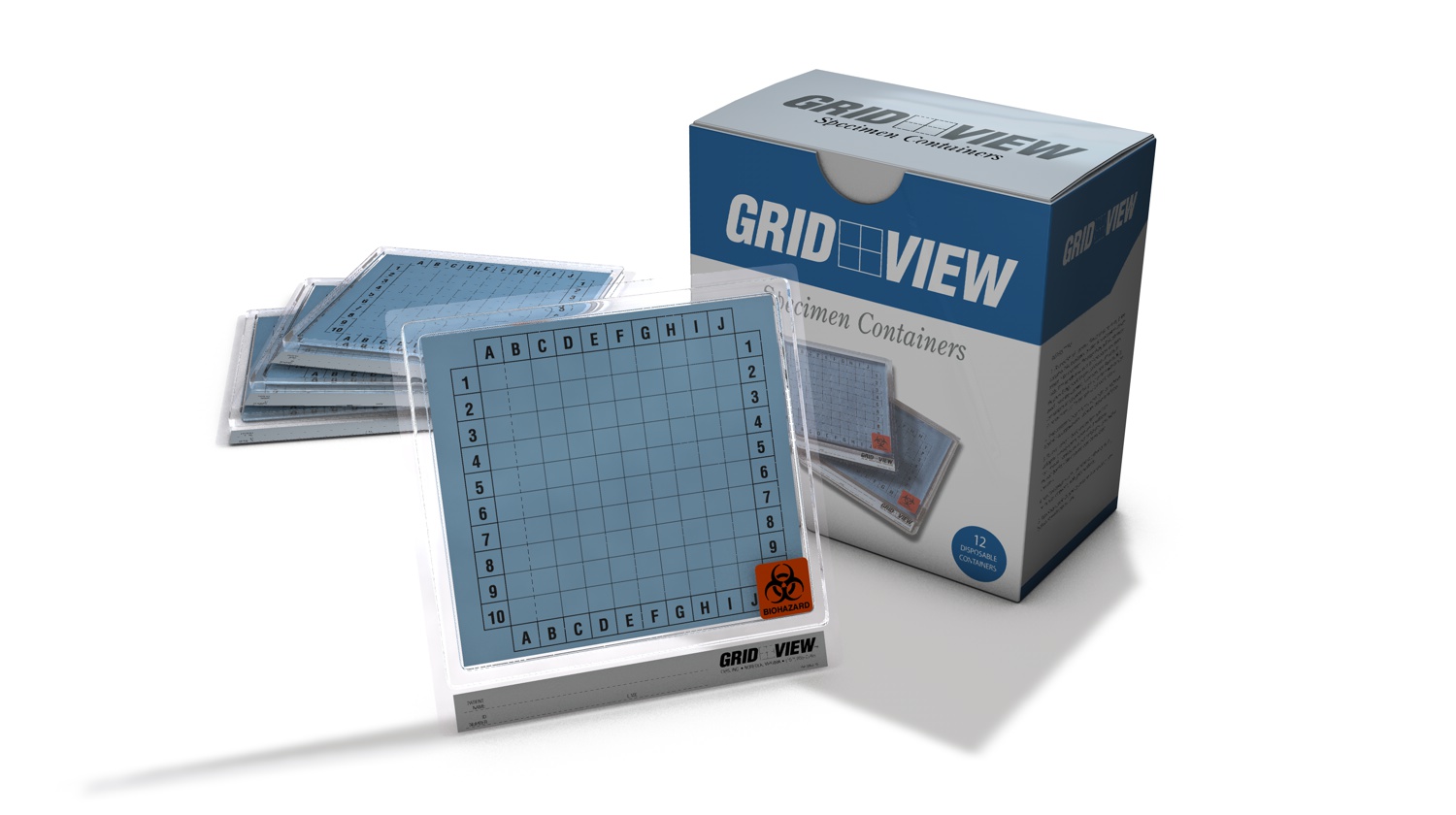 Open product: GRID VIEW ® – CIRS
GRID VIEW ® – CIRS
CIRS developed GRID-VIEW for mammography. It specifically addresses inadequacies in the post operative handling of… Read more
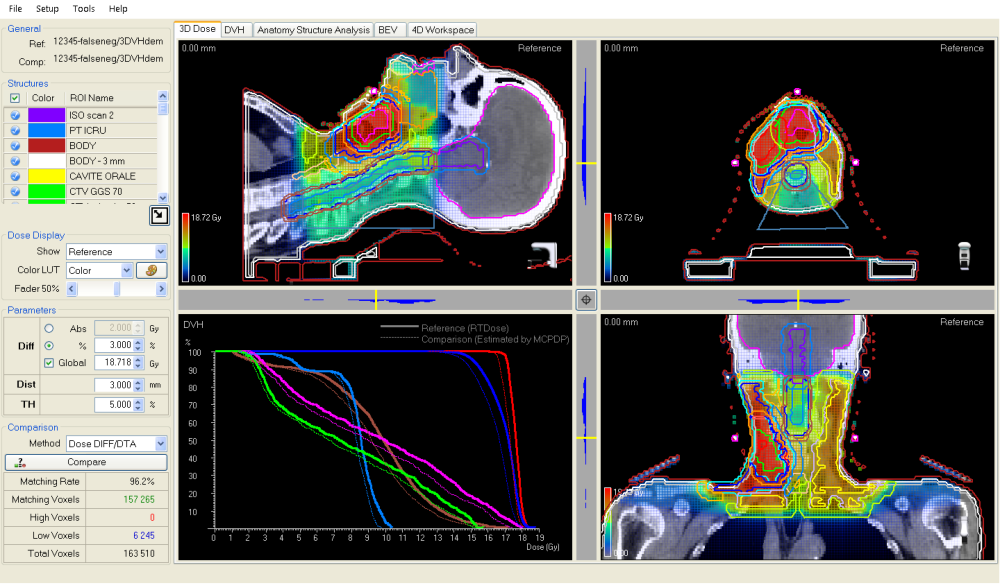 Open product: 3DVH Software for Patient QA – Sun Nuclear
3DVH Software for Patient QA – Sun Nuclear
3DVH Software transforms the field of per-patient dose QA by generating clinically-relevant and intuitive analyses… Read more
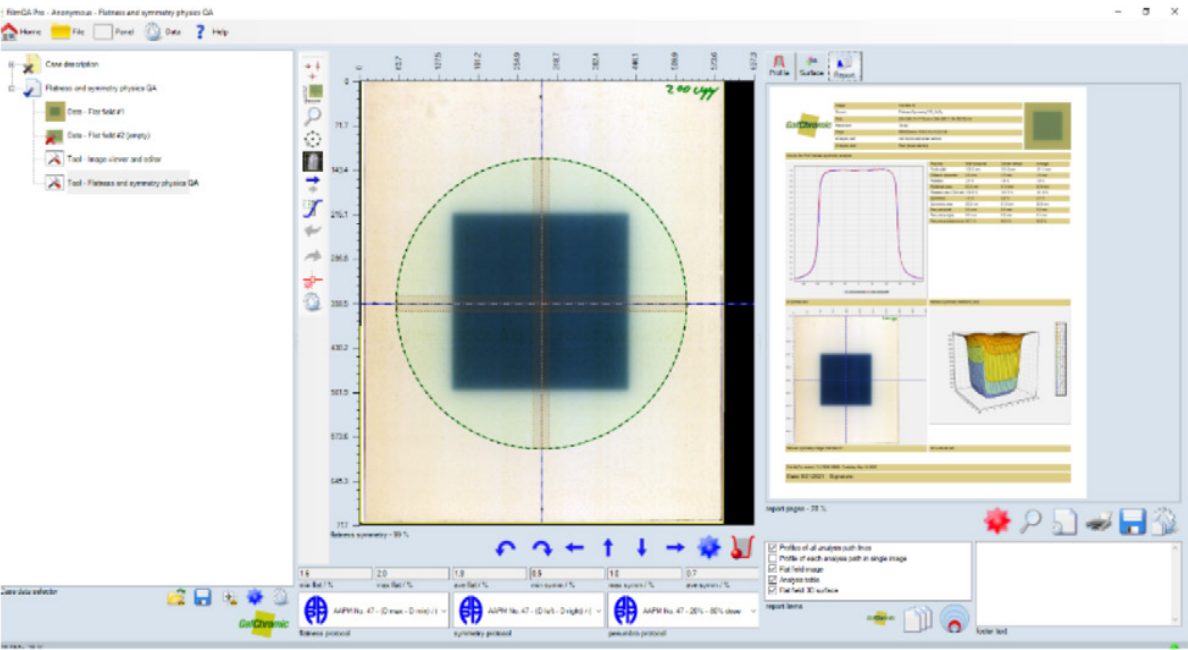 Open product: FilmQA Pro™ Software version 7 – Ashland
FilmQA Pro™ Software version 7 – Ashland
a sophisticated, quantitative analysis tool for Gafchromic™ Film FilmQA Pro™ software is a sophisticated, quantitative… Read more
As healthcare providers expand digital infrastructure, software is increasingly used to centralise information from dosimeters, monitoring devices, and QA systems. This supports more efficient reporting, clearer oversight for radiation protection teams, and better coordination between clinical, technical, and procurement stakeholders. For organisations managing multiple departments or sites, a structured software platform can help simplify documentation, support audit readiness, and strengthen operational consistency.
PEO Medical supplies software solutions for radiation safety from established partners including Bertin Technologies (Saphymo), Tracerco, Sun Nuclear Corporation, and Ashland. Our portfolio supports healthcare buyers looking for practical tools that fit clinical workflows, align with radiation protection requirements, and integrate into broader hospital technology environments.
What is Software?
In this category, software refers to digital tools used to support radiation safety, monitoring, reporting, and workflow management in healthcare and laboratory settings. These solutions are designed to help organisations collect, store, review, and interpret data linked to radiation exposure, dosimetry, and safety procedures.
Depending on the application, software may be used alongside personal dosimeters, area monitors, QA devices, treatment-related systems, or departmental recordkeeping processes. Some platforms focus on exposure tracking and compliance reporting, while others support broader workflow management, data sharing, or analysis across radiation-related activities.
For procurement teams, software is not only a technical add-on. It is often a core component of how an institution manages traceability, oversight, and documentation in environments where radiation is part of routine care delivery or scientific work.
How Software Products Are Used
Radiation safety software is used to organise and streamline key operational tasks across departments that work with ionising radiation. It helps bring together data from monitoring equipment and internal processes so that teams can review information more efficiently and maintain better control over radiation safety activities.
Typical uses include:
- tracking staff dose records and exposure history
- reviewing data from monitoring devices and dosimeters
- generating internal reports and compliance documentation
- supporting incident review and threshold alerts
- managing department-wide radiation protection workflows
- improving visibility across multiple rooms, departments, or sites
- supporting communication between radiation safety officers, physicists, engineers, and managers
In practice, this means software can support day-to-day administration as well as longer-term governance, particularly where organisations need consistent documentation and reliable access to historical records.
Applications of Software
Hospitals
Hospitals use software to centralise radiation-related records, support internal compliance processes, and improve coordination between departments using imaging or treatment technologies.
Radiotherapy
Radiotherapy teams may use software for QA workflow visibility, data review, and supporting radiation-related process control across treatment environments.
Radiology
Radiology departments benefit from software that supports exposure monitoring, documentation, and structured oversight of radiation-related equipment use.
Oncology
Oncology services often work across imaging, planning, and treatment pathways, making software useful for coordination, reporting, and internal governance.
Clinics and outpatient centres
Smaller facilities may require practical, user-friendly software that supports dose records, reporting, and routine safety processes without unnecessary complexity.
Diagnostic laboratories
Laboratories using radiation sources can use software to manage records, monitor activity, and support internal safety procedures.
Nuclear Medicine
Nuclear medicine departments need reliable systems for tracking radiation-related information, reviewing monitoring data, and supporting safe departmental workflows.
Key Features and Capabilities
- User-friendly interfaces that support routine use by clinical and technical teams
- Centralised data management for exposure records and monitoring information
- Reporting tools for internal documentation and audit preparation
- Integration potential with monitoring devices, dosimetry systems, or QA platforms
- Secure user access controls and traceable record handling
- Dashboard views for quicker review of trends and exceptions
- Scalable deployment for single departments or multi-site healthcare organisations
- Workflow support for radiation protection officers, physicists, and engineers
- Maintenance-efficient digital recordkeeping compared with fragmented manual systems
- Support for clearer operational oversight in radiation-related environments
Benefits of Using Software
Using radiation safety software can provide both operational and procurement advantages for healthcare organisations.
A well-structured software platform can reduce administrative burden by replacing scattered spreadsheets, disconnected records, or manual reporting processes. It can also improve visibility across departments, which helps teams identify gaps, review trends, and respond more consistently to operational issues.
From a clinical governance perspective, software supports traceability and makes it easier to maintain organised records for inspections, internal reviews, and departmental audits. For procurement teams, software may also offer longer-term value by supporting standardisation across sites, improving interoperability with existing systems, and reducing inefficiencies linked to fragmented workflows.
Where multiple users need access to the same information, digital tools can also strengthen collaboration between radiation safety officers, biomedical engineers, physicists, and department managers.
Choosing the Right Software
Selecting the right software for radiation safety requires a clear understanding of how the organisation manages monitoring, reporting, and oversight today.
Key buying considerations include:
- Intended use: Is the software mainly for exposure tracking, reporting, QA workflow support, or broader departmental management?
- Facility type: Hospitals, radiotherapy centres, imaging clinics, and laboratories may have different operational needs.
- Scale: Single-room, single-site, and multi-site organisations may require different levels of scalability.
- Compatibility: Buyers should assess integration with existing dosimeters, monitors, QA systems, and hospital IT infrastructure.
- User roles: Access requirements may differ for physicists, radiation protection officers, engineers, administrators, and managers.
- Training: Straightforward implementation and user onboarding are important for adoption.
- Maintenance and support: Ongoing updates, technical support, and vendor responsiveness should be evaluated early.
- Data governance: Secure access control, traceability, and record retention are important in regulated healthcare settings.
- Compliance support: Software should help teams maintain organised records and support their internal radiation protection procedures.
Our Software Solutions
PEO Medical offers software solutions for radiation safety that support healthcare organisations working across radiology, radiotherapy, nuclear medicine, research, and related environments. Our range includes platforms and software-enabled systems from recognised manufacturers with experience in radiation monitoring, QA, and technical workflow support.
Our partners include:
- Bertin Technologies (Saphymo) for radiation monitoring and safety technologies
- Tracerco for radiation monitoring ecosystems and supporting software resources
- Sun Nuclear Corporation for workflow-oriented software and QA environments
- Ashland for specialist technologies relevant to radiation-related healthcare applications
Because software needs vary between organisations, we help buyers evaluate solutions based on intended use, infrastructure, reporting needs, and operational complexity rather than relying on a one-size-fits-all approach.
Why Choose PEO Medical
PEO Medical supports healthcare buyers with access to specialist equipment and software across multiple clinical and technical disciplines. Our portfolio spans radiotherapy, medical imaging, radiology, nuclear medicine, laboratory research, dental, and veterinary sectors, allowing customers to source related technologies through one experienced partner.
We work with public and private healthcare buyers, hospitals, NGOs, ministries of health, distributors, and project teams that need dependable product guidance and structured procurement support. In addition to supply capability, we provide practical consultation to help customers compare options, align products with use environments, and plan procurement more effectively.
For software categories such as radiation safety, this means buyers can speak with a partner that understands both the technical context and the realities of healthcare purchasing.
Conclusion
Software has become an increasingly important part of how healthcare organisations manage radiation safety, reporting, and departmental oversight. For hospitals, clinics, laboratories, and specialist centres, the right platform can improve visibility, support documentation, and help teams manage radiation-related processes more consistently.
PEO Medical supplies radiation safety software solutions from trusted partners for organisations seeking practical, procurement-ready tools in healthcare environments. Explore the products in this category or contact our team for guidance on selecting software that fits your operational and technical requirements.


