Analysis software
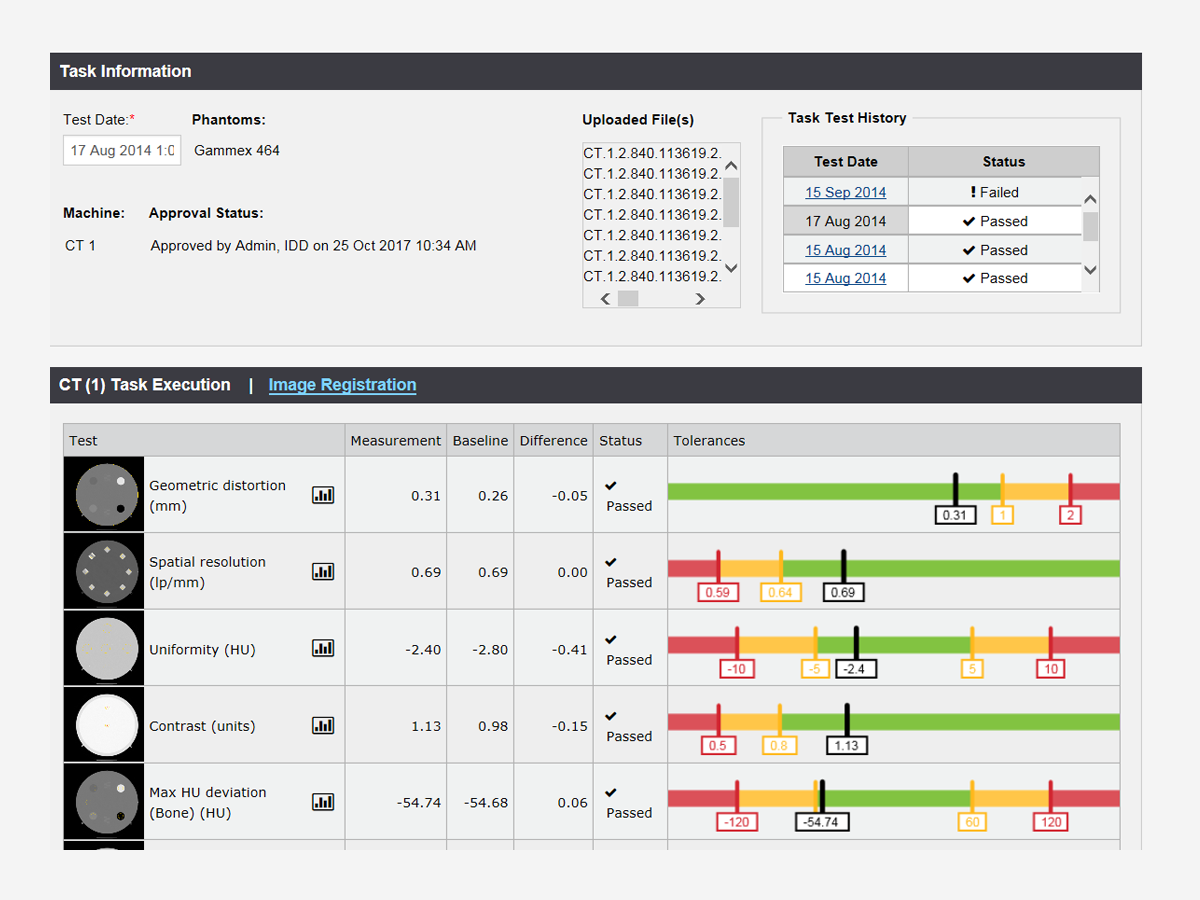
Analysis Software plays an important role in modern healthcare environments, helping clinical and technical teams process, review, interpret, and document data from radiotherapy, diagnostic imaging, radiation monitoring, and quality assurance workflows. In hospitals, oncology centres, and specialist diagnostic settings, these software tools support more structured analysis, clearer reporting, and more efficient day-to-day operations across complex medical technologies.
 Open product: Dataexpert Software Solution – Saphymo
Dataexpert Software Solution – Saphymo
DataEXPERT software is a solution you can use to collect, manage, chart and evaluate data… Read more
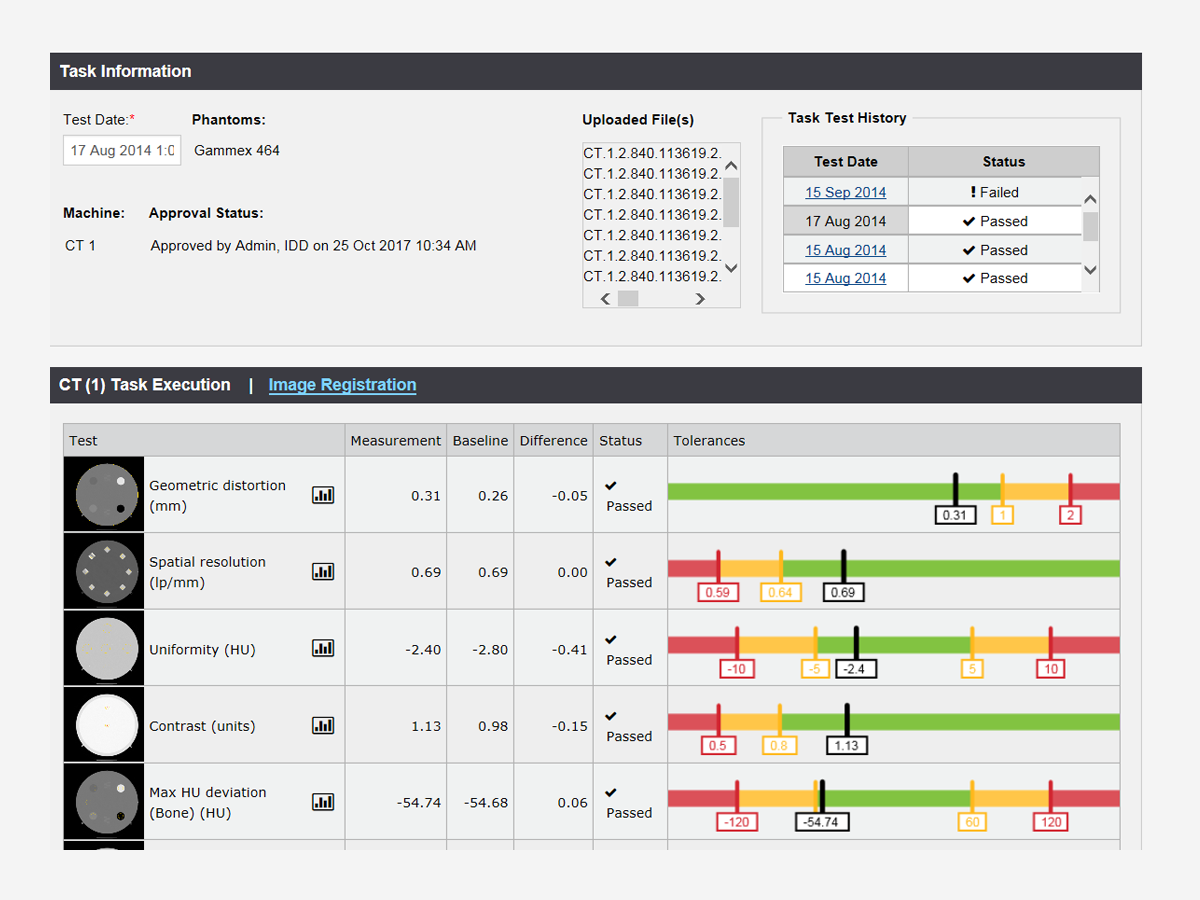 Open product: RapidCHECK™ – Sun Nuclear
RapidCHECK™ – Sun Nuclear
RapidCHECK Diagnostic QA Software from Sun Nuclear is an automated, diagnostic QA software platform that… Read more
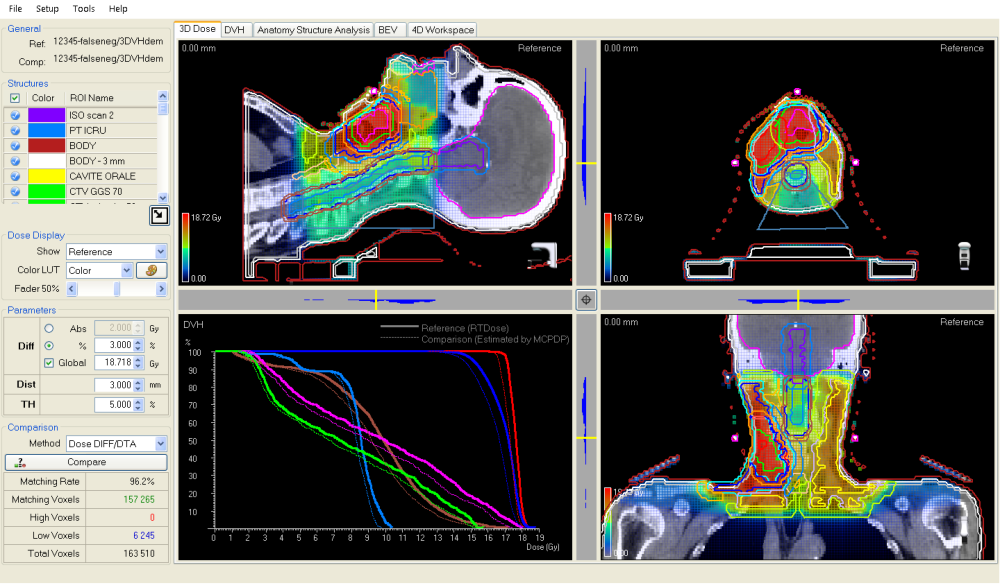 Open product: 3DVH Software for Patient QA – Sun Nuclear
3DVH Software for Patient QA – Sun Nuclear
3DVH Software transforms the field of per-patient dose QA by generating clinically-relevant and intuitive analyses… Read more
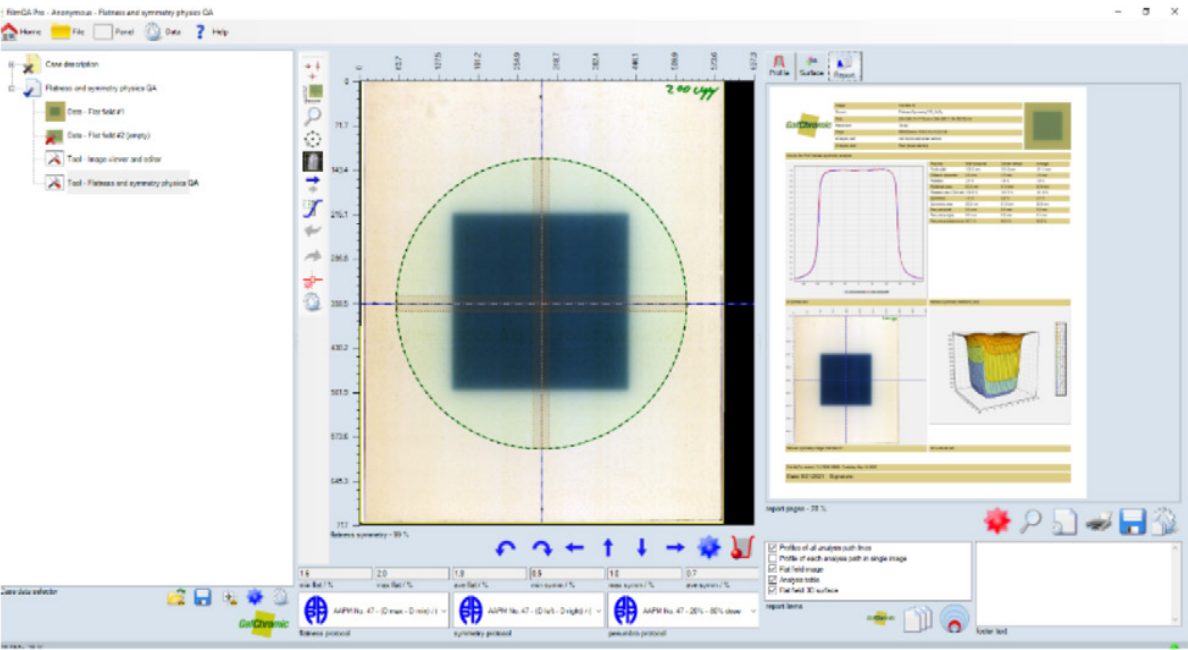 Open product: FilmQA Pro™ Software version 7 – Ashland
FilmQA Pro™ Software version 7 – Ashland
a sophisticated, quantitative analysis tool for Gafchromic™ Film FilmQA Pro™ software is a sophisticated, quantitative… Read more
For procurement teams and healthcare project buyers, analysis software is not simply an add-on. It is often a core part of how equipment delivers practical value in routine use. Depending on the application, analysis software may help with dosimetric review, film analysis, patient QA, machine QA, diagnostic imaging quality control, radiation monitoring data management, or workflow standardisation. It can also support traceability, documentation, and collaboration between clinical, engineering, and medical physics teams.
PEO Medical supplies Analysis Software solutions from recognised partners including Sun Nuclear Corporation, Ashland, and Bertin Technologies (Saphymo), supporting healthcare providers seeking dependable software for technical evaluation, quality assurance, and clinical workflow support.
What is Analysis Software?
Analysis Software refers to specialised medical and technical software used to process data generated by healthcare equipment and quality assurance systems. In this category, it includes software for radiotherapy QA, film dosimetry, diagnostic imaging analysis, and radiation monitoring.
These tools are designed to convert raw measurement or imaging data into usable outputs such as dose maps, trend reports, workflow records, alerts, or comparative analyses. In clinical practice, this allows staff to assess whether equipment is performing as expected, review quality control results, and document findings in a more structured way.
Unlike general office or IT software, healthcare analysis software is intended to support defined technical and clinical workflows. It is often used by medical physicists, radiographers, biomedical engineers, radiation safety teams, and other professionals responsible for equipment performance, quality assurance, and data review.
How Analysis Software Products Are Used
Analysis Software products are used in a range of technical and clinical workflows. In radiotherapy, they may support treatment plan review, patient QA, machine QA, film dosimetry, or secondary dose calculation. Sun Nuclear’s SunCHECK Patient, for example, brings plan checks, secondary calculations, pre-treatment QA, and in-vivo monitoring into a single workflow, while Ashland’s FilmQA Pro is designed for quantitative film analysis in IMRT QA and related procedures.
In diagnostic imaging, software platforms may automate quality control tasks and standardise testing workflows. Sun Nuclear’s RapidCHECK is positioned specifically as an automated diagnostic QA software platform. In radiation monitoring, software can support the capture, review, and management of monitoring data in environments where ionising radiation must be measured and controlled.
For healthcare organisations, this means analysis software can help connect devices, measurements, and documentation into a more usable workflow, reducing reliance on fragmented manual processes.
Applications of Analysis Software
Hospitals
Hospitals use Analysis Software to support equipment QA, technical reporting, imaging review, and radiation-related data management across multiple departments.
Radiotherapy
Radiotherapy teams use analysis software for patient QA, machine QA, treatment plan review, film dosimetry, and workflow standardisation.
Radiology
Radiology and diagnostic imaging services use analysis software for quality control, performance review, and structured testing processes.
Oncology
Oncology departments benefit from software that supports radiotherapy verification, documentation, and coordination across treatment workflows.
Clinics and outpatient centres
Specialist clinics may use analysis software to manage smaller-scale but still critical imaging and QA processes in a consistent way.
Diagnostic laboratories
Medical physics and technical laboratories rely on software for measurement review, comparative analysis, reporting, and equipment evaluation.
Nuclear Medicine
In radiation-related environments, analysis software may support data handling, monitoring, and workflow documentation where specialist equipment is in use.
Key Features and Capabilities
- Supports structured review of technical, dosimetric, imaging, or monitoring data
- Can help standardise QA workflows across departments and teams
- May include automated analysis, reporting, and record-keeping functions
- Designed to integrate with compatible clinical or measurement systems
- Useful for film analysis, dose comparison, patient QA, and equipment monitoring
- Helps reduce manual data handling in complex environments
- Can support auditability and internal documentation processes
- Often suited to multi-user clinical and technical settings
- Available for radiotherapy, diagnostic imaging, and radiation monitoring applications
Benefits of Using Analysis Software
Using Analysis Software can improve operational consistency by helping teams manage data more clearly and efficiently. In busy healthcare settings, this can reduce the burden of manual review, support more standardised reporting, and make it easier to compare results over time.
For clinical and technical teams, software-based analysis can support better workflow visibility and help organise QA, measurement, and monitoring activities within defined procedures. For procurement teams, the benefit is broader: software can increase the practical value of capital equipment by making data easier to use, share, and document.
It can also support long-term service quality by helping departments maintain records, review performance trends, and integrate new tools into established hospital workflows.
Choosing the Right Analysis Software
Choosing the right Analysis Software depends on intended use, system compatibility, and organisational requirements. A radiotherapy department may need software for patient QA, dose analysis, and film review, while a diagnostic imaging service may prioritise automated QC workflows. Radiation monitoring environments may require software focused on data capture, alarms, reporting, or environmental control.
Buyers should consider:
- the clinical or technical workflow the software will support
- compatibility with existing hardware, scanners, detectors, or monitoring systems
- reporting, export, and documentation requirements
- multi-user access and IT deployment needs
- training requirements for end users
- update, maintenance, and supplier support arrangements
- internal governance and data handling expectations
For larger healthcare projects, it is also useful to assess whether the software can scale across departments or sites.
Our Analysis Software Solutions
PEO Medical supplies Analysis Software solutions from established partners including Sun Nuclear Corporation, Ashland, and Bertin Technologies (Saphymo).
Our category includes software relevant to radiotherapy QA, film dosimetry, diagnostic imaging workflows, and radiation monitoring. Sun Nuclear’s portfolio includes integrated QA software and automated diagnostic QA tools. Ashland provides FilmQA Pro for Gafchromic film analysis in radiotherapy workflows. Bertin Technologies contributes specialist expertise in radiation monitoring environments, supporting facilities that need reliable software-backed monitoring and analysis capabilities.
This gives healthcare buyers access to a practical software range suited to hospitals, oncology programmes, imaging departments, laboratories, and public-sector health projects.
Why Choose PEO Medical
PEO Medical supports healthcare providers with a broad medical technology portfolio spanning radiotherapy, diagnostic imaging, radiology, nuclear medicine, laboratory research, dental, and veterinary sectors. That breadth helps buyers source software within the context of wider equipment, workflow, and project needs.
We work with recognised manufacturer partners and support hospitals, distributors, NGOs, ministries of health, clinics, and project buyers with practical product guidance and procurement support. Whether the requirement is for a single software application or part of a larger equipment programme, PEO Medical helps organisations identify suitable solutions for real healthcare environments.
Conclusion
Analysis Software is an important part of modern healthcare technology, helping teams review, manage, and document data from radiotherapy, imaging, and monitoring workflows. By supporting structured analysis and clearer reporting, these tools contribute to more efficient technical operations across hospitals and specialist care settings.
PEO Medical supplies analysis software solutions for healthcare providers seeking dependable tools for QA, dosimetry, diagnostic imaging, and radiation monitoring. Explore the products in this category or contact PEO Medical for guidance on selecting the right software for your clinical or technical environment.


