Stack & air monitoring
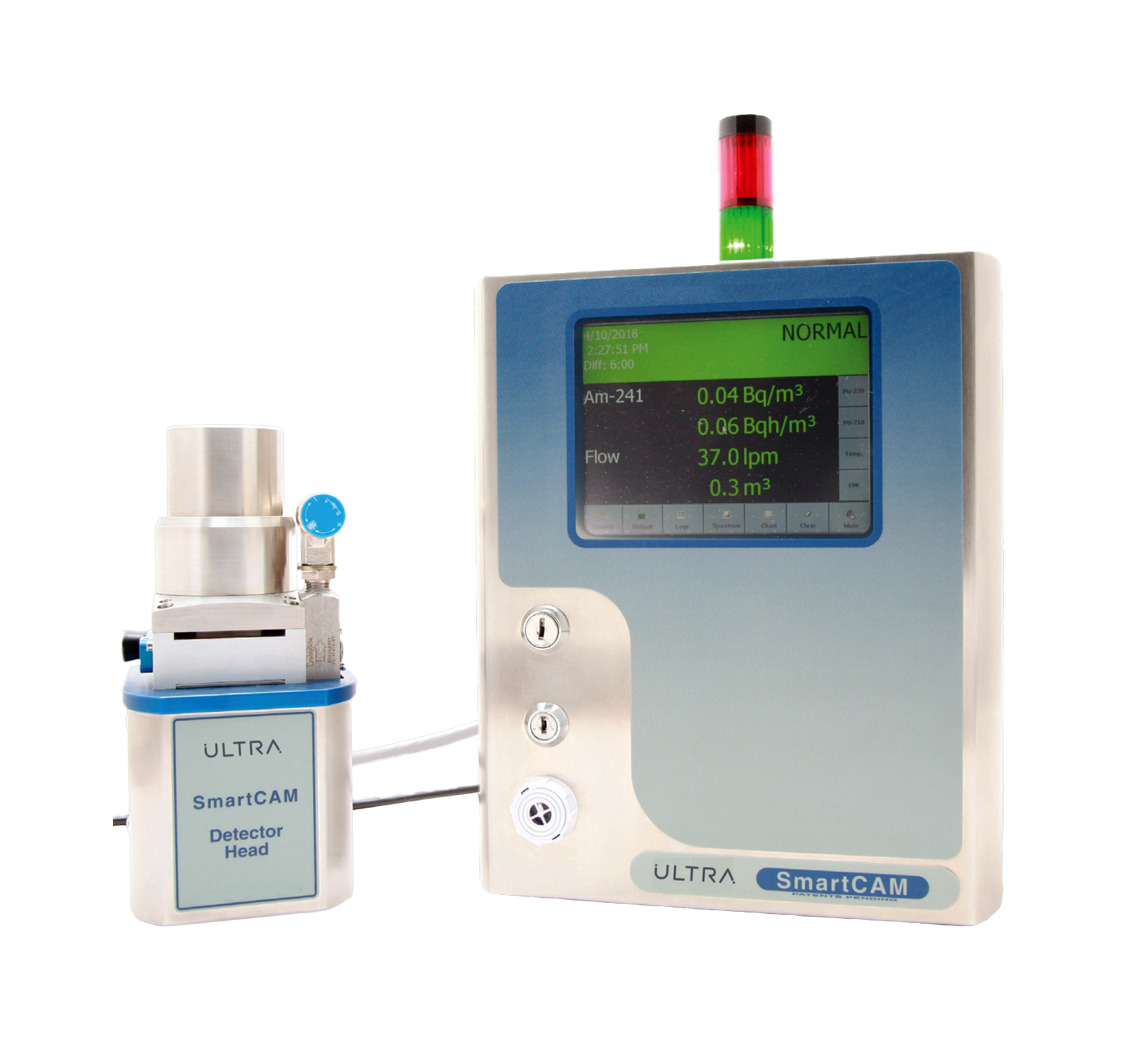
Stack & air monitoring systems are specialised radiation monitoring solutions designed to detect and measure radioactive materials released through ventilation systems, exhaust stacks, and airborne pathways in controlled facilities. In healthcare environments such as cyclotron laboratories, nuclear medicine departments, and radiopharmaceutical production units, these systems play a critical role in environmental safety and regulatory compliance.
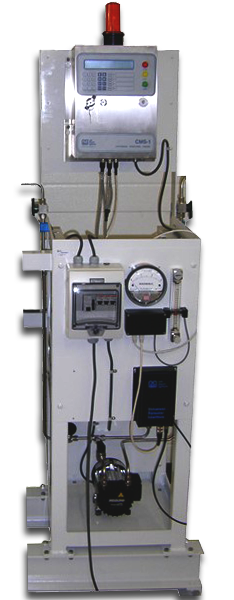 Open product: CMS Iodine Monitor – Lab Impex Systems
CMS Iodine Monitor – Lab Impex Systems
The CMS Iodine Monitor (Lab Impex Systems) is an advanced system for monitoring airborne concentration of… Read more
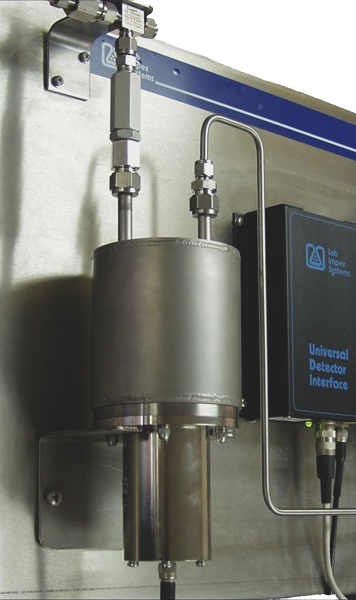 Open product: Gaseous Monitoring – PG10 Gas Activity Monitor – Lab Impex Systems
Gaseous Monitoring – PG10 Gas Activity Monitor – Lab Impex Systems
The PG-10 Gas Activity Detector (Lab Impex Systems) measures beta or positron emitting radioactive gases… Read more
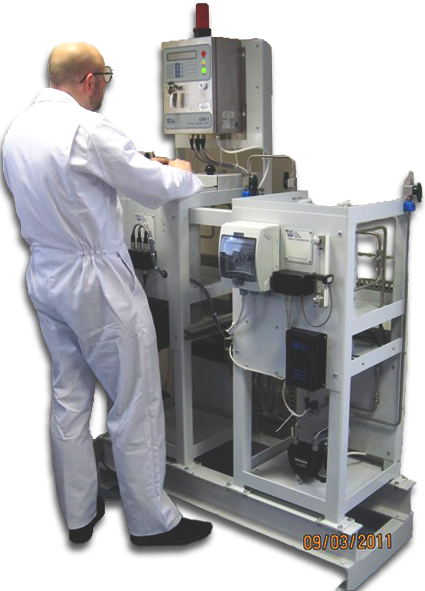 Open product: PET Cyclotron Facility Stack Monitoring – Lab Impex Systems
PET Cyclotron Facility Stack Monitoring – Lab Impex Systems
The PET Cyclotron Facility Stack Monitoring (Lab Impex Systems) provides continuous monitoring of effluent discharges from cyclotron… Read more
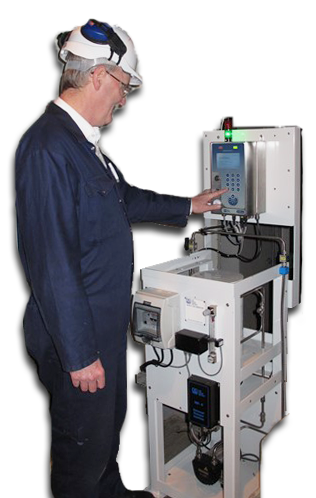 Open product: CMS Noble Gas Monitor – Ultra Electronics
CMS Noble Gas Monitor – Ultra Electronics
The LIS Noble Gas Monitor (Lab Impex Systems) is an integrated solution for the measurement… Read more
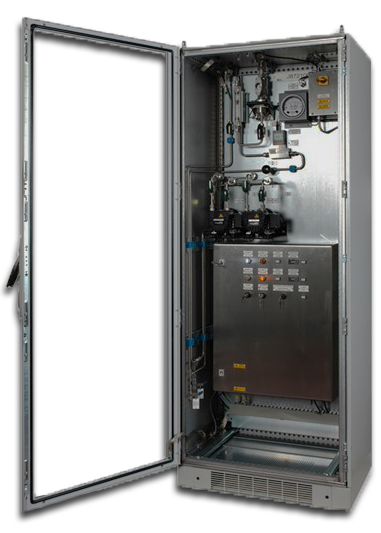 Open product: Stack and Duct Sampling and Real Time Monitoring – Lab Impex
Stack and Duct Sampling and Real Time Monitoring – Lab Impex
Lab Impex Systems have the capability to survey, design, supply, install and commission complete isokinetic… Read more
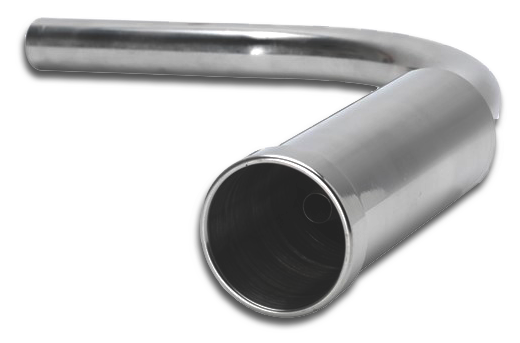 Open product: Shrouded Probes – Lab Impex Systems
Shrouded Probes – Lab Impex Systems
The Sampling Shrouded Probes (Lab Impex Systems) for extracting particulate matter from stacks and ducts,… Read more
- Open product: Continuous Air Monitor – SmartCAM (Alpha & Beta) – Ultra Electronics
Continuous Air Monitor – SmartCAM (Alpha & Beta) – Ultra Electronics
The Ultra Energy SmartCAM is a next-generation Continuous Air Monitor (CAM) that provides the user… Read more
By continuously monitoring airflows and exhaust emissions, stack & air monitoring equipment helps facilities track the presence of radioactive particulates, gases, and isotopes in real time. These systems provide early detection of potential releases, support safe operational practices, and enable accurate reporting to regulatory authorities.
For hospitals, research institutions, and medical isotope production facilities, reliable air monitoring is an essential component of a comprehensive radiation safety programme. At PEO Medical, we supply trusted monitoring technologies from leading manufacturers to support healthcare organisations in maintaining safe environments for staff, patients, and surrounding communities.
What is Stack & Air Monitoring?
Stack & air monitoring refers to systems used to measure radioactive materials present in air emissions from controlled environments such as laboratories, cyclotron facilities, and nuclear medicine production units.
These monitoring systems are typically installed in ventilation ducts, exhaust stacks, or air sampling systems. Their purpose is to measure airborne radionuclides and detect radioactive particulates or gases that may be released during routine operations. Stack monitoring specifically measures emissions leaving a facility through ventilation stacks, while air monitoring systems measure airborne radioactivity within operational spaces or ventilation pathways.
Using specialised detectors and sampling technologies, these systems can measure a range of radiation types and isotopes, including particulate activity, iodine, noble gases, and other radionuclides associated with isotope production and nuclear medicine processes.
How Stack & Air Monitoring Products Are Used
Stack & air monitoring equipment operates as part of a facility’s radiation protection infrastructure.
Typical workflows include:
- Continuous monitoring of air samples drawn from exhaust stacks or ventilation systems
- Detection of radioactive particulates or gases during isotope production
- Measurement of radionuclide concentration in exhaust airflows
- Triggering alarms when predefined safety thresholds are exceeded
- Recording and reporting emissions data for regulatory documentation
- Supporting environmental radiation safety programmes
In medical settings, these systems are particularly important in facilities that produce or handle radioactive isotopes used for imaging and therapy. Continuous monitoring helps ensure that airborne releases remain within safe regulatory limits.
Applications of Stack & Air Monitoring
Stack & air monitoring systems are used in a range of healthcare and research environments that handle radioactive materials.
Hospitals
Hospitals with cyclotron facilities or radiopharmaceutical preparation areas use stack monitoring systems to measure potential airborne releases during isotope production.
Nuclear Medicine
Facilities producing PET and SPECT isotopes require continuous air monitoring to track radionuclide emissions and maintain compliance with radiation safety standards.
Radiotherapy and Oncology
Certain treatment and isotope production processes may involve radioactive materials requiring environmental monitoring.
Radiology and Imaging Facilities
Advanced imaging centres using nuclear tracers may incorporate air monitoring solutions in laboratory areas.
Research Laboratories
Medical research laboratories handling radionuclides rely on air monitoring systems to ensure laboratory safety.
Environmental Radiation Monitoring
These systems also support broader environmental monitoring programmes around research and production facilities.
Key Features and Capabilities
Modern stack & air monitoring systems offer advanced features designed to support safety, reliability, and operational efficiency:
- Continuous real-time radiation monitoring
- High-sensitivity detectors for airborne radionuclides
- Monitoring of particulates, iodine, noble gases, and other isotopes
- Integration with ventilation and exhaust systems
- Automated alarms for threshold exceedance
- Data logging and regulatory reporting capabilities
- Remote monitoring and digital interface options
- Scalable multi-channel monitoring systems
- Robust design suitable for laboratory and industrial environments
- Support for facility radiation safety management
These capabilities help facilities maintain accurate oversight of airborne radiation levels while supporting regulatory compliance.
Benefits of Using Stack & Air Monitoring
Implementing reliable stack & air monitoring systems provides several operational and safety benefits for healthcare and research facilities.
Improved Radiation Safety
Continuous monitoring helps identify potential releases early, supporting rapid response and safe facility operation.
Regulatory Compliance
Environmental monitoring systems support documentation and reporting requirements related to radioactive emissions.
Operational Transparency
Recorded monitoring data provides visibility into facility performance and environmental conditions.
Reliable Long-Term Monitoring
High-sensitivity detection systems provide consistent measurements across extended operational periods.
Support for Radiation Protection Programmes
Air monitoring forms an important component of comprehensive radiation safety management systems.
Choosing the Right Stack & Air Monitoring
Selecting the appropriate stack & air monitoring system requires careful consideration of several factors.
Facility Type
Cyclotron laboratories, radiopharmaceutical production centres, and research facilities may have different monitoring requirements.
Monitoring Scope
Systems may need to detect specific radionuclides such as particulate activity, iodine, or noble gases.
Ventilation Configuration
Stack and duct design influence sensor placement and sampling methods.
Detection Sensitivity
Facilities handling low-level emissions may require highly sensitive detectors.
Data Management
Monitoring systems should support reliable data recording, reporting, and integration with facility safety systems.
Maintenance and Calibration
Routine servicing and calibration help ensure accurate measurement performance over time.
Working with experienced suppliers can help ensure that monitoring systems are appropriately specified for the facility environment.
Our Stack & Air Monitoring Solutions
PEO Medical supplies stack & air monitoring technologies designed for healthcare, research, and isotope production environments.
Through partnerships with specialised manufacturers such as Ultra Electronics, we provide monitoring systems capable of detecting airborne radiation in ventilation stacks, duct systems, and controlled laboratory environments.
Solutions within this category may include:
- continuous stack emission monitoring systems
- airborne particulate monitoring instruments
- duct and ventilation radiation detectors
- integrated radiation monitoring software platforms
- environmental radiation surveillance systems
Our team works closely with healthcare organisations and research facilities to help identify suitable monitoring solutions that support safety, compliance, and operational efficiency.
Why Choose PEO Medical
Healthcare organisations and project buyers choose PEO Medical for reliable access to specialised medical and radiological technologies.
Global medical equipment sourcing
We supply a wide range of equipment across radiotherapy, nuclear medicine, radiology, and laboratory sectors.
Experience supporting healthcare projects
Our team works with hospitals, research centres, and international healthcare programmes.
Trusted manufacturer partnerships
We collaborate with leading technology providers to deliver reliable solutions.
Procurement and advisory support
We assist healthcare buyers in identifying equipment that aligns with operational requirements.
International delivery capabilities
PEO Medical supports medical infrastructure projects worldwide.
Conclusion
Stack & air monitoring systems are essential components of radiation safety programmes in healthcare, research, and isotope production environments. By continuously monitoring airborne radioactive emissions, these systems help facilities maintain safe operations, comply with regulatory requirements, and protect staff and surrounding communities.
PEO Medical provides access to advanced monitoring technologies designed to support hospitals, nuclear medicine facilities, and research laboratories. Explore the products listed in this category or contact our team to discuss suitable monitoring solutions for your facility.


