Training phantoms
Training and education are essential components of safe and effective healthcare delivery. Training Phantoms provide clinicians, medical students, and imaging professionals with practical tools to develop and refine clinical skills in controlled environments. These specialised models simulate human anatomy or tissue behaviour, allowing healthcare professionals to practise imaging procedures and clinical techniques without involving patients.
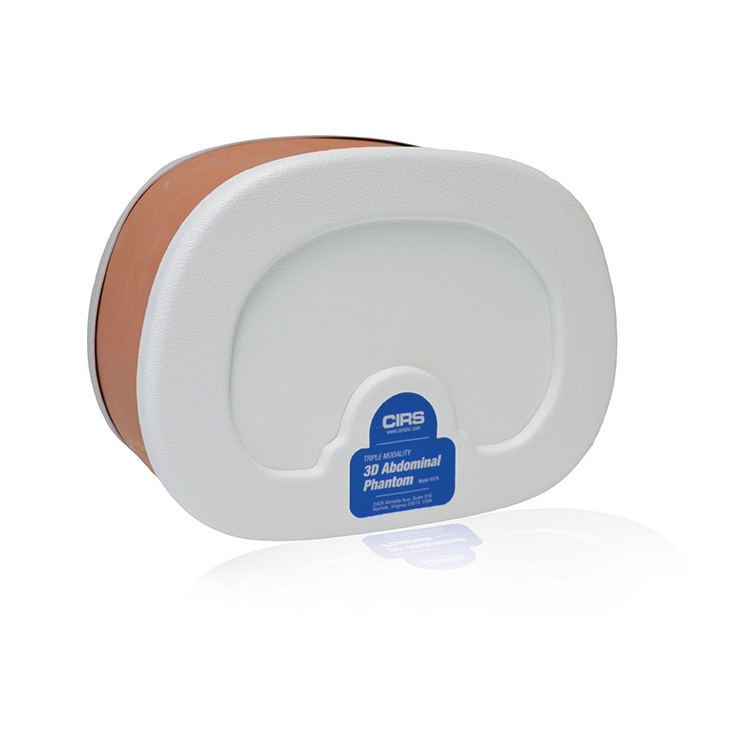 Open product: Model 057A Triple Modality 3D Abdominal Phantom – CIRS
Model 057A Triple Modality 3D Abdominal Phantom – CIRS
The CIRS Triple Modality 3D Abdominal Phantom is constructed of a self-healing formulation of Zerdine®(1)… Read more
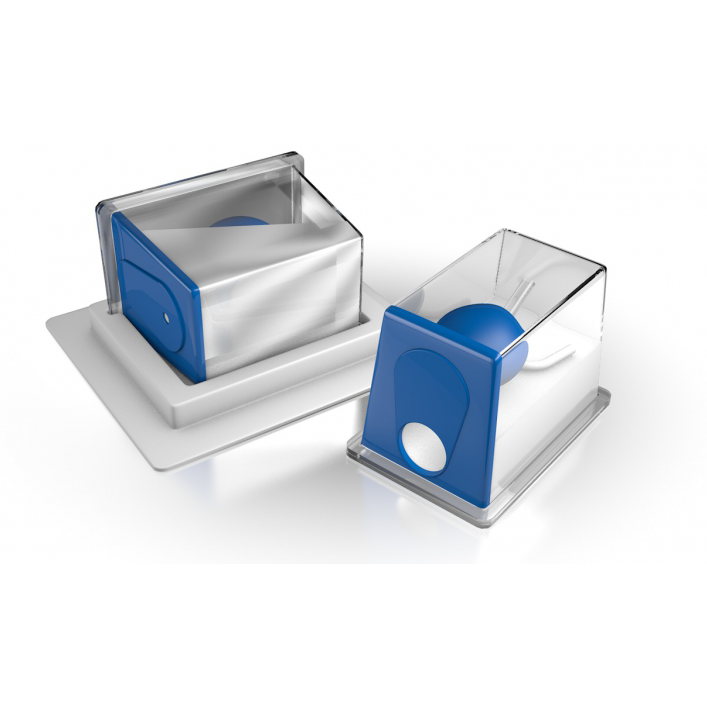
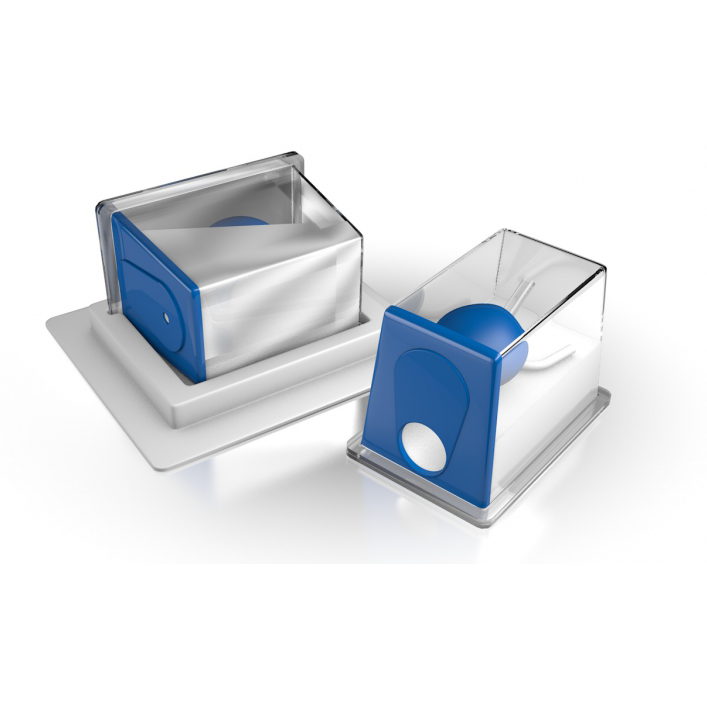 Open product: Model 053S, 053L and 053L-EF Ultrasound Prostate Training Phantom – CIRS
Model 053S, 053L and 053L-EF Ultrasound Prostate Training Phantom – CIRS
CIRS designed the Ultrasound Prostate Training Phantom as a multi-modality disposable phantom developed for practicing… Read more
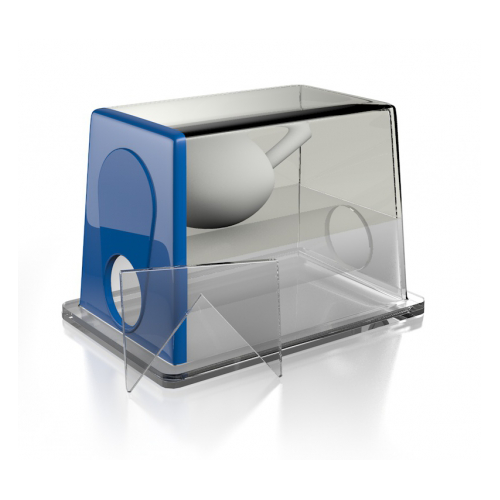 Open product: Model 053-I Ultrasound Prostate Training Phantom – CIRS
Model 053-I Ultrasound Prostate Training Phantom – CIRS
The CIRS Ultrasound Prostate Training Phantom (model 053-I) is a disposable phantom perfect for practicing… Read more
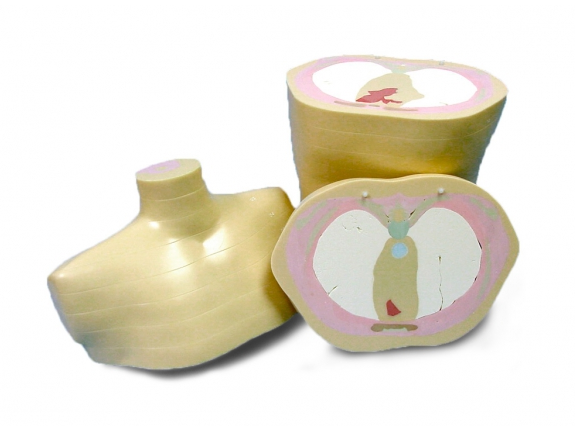 Open product: Model 600 3D Sectional Torso Phantom – CIRS
Model 600 3D Sectional Torso Phantom – CIRS
The Model 600 3D Sectional Torso Phantom has been designed for providing an accurate simulation… Read more
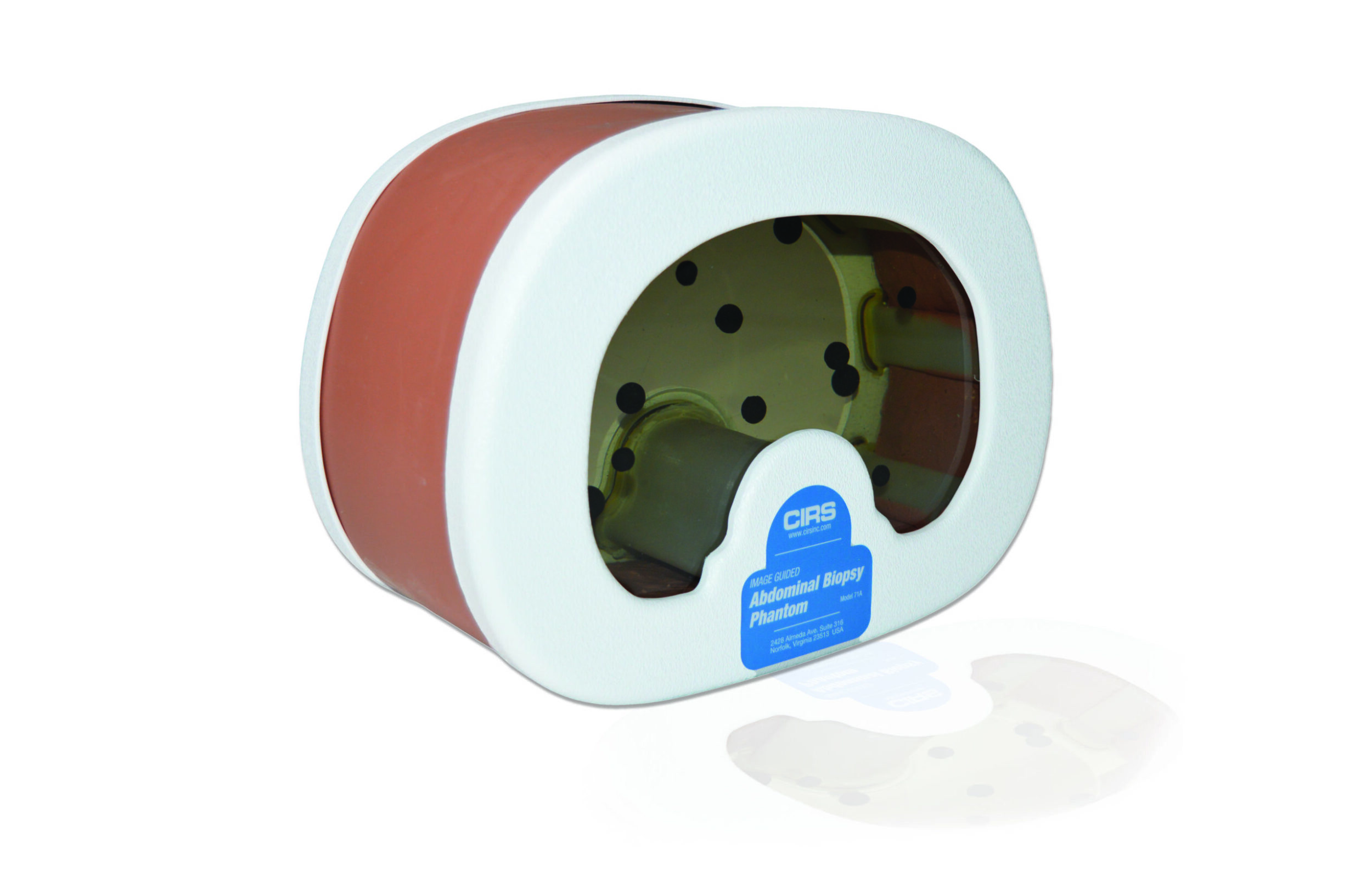 Open product: Image-Guided Abdominal Biopsy Phantom (model 071B) – CIRS
Image-Guided Abdominal Biopsy Phantom (model 071B) – CIRS
The Image-Guided Abdominal Biopsy Phantom is a simplified abdominal phantom. It’s suitable for training and… Read more
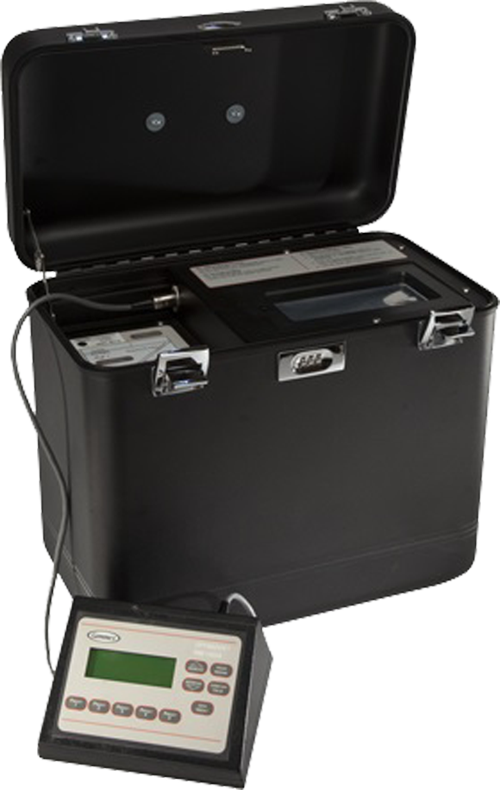 Open product: Model 1425 – Doppler Flow System – Sun Nuclear
Model 1425 – Doppler Flow System – Sun Nuclear
The Doppler Flow System from Sun Nuclear (formerly Gammex) tests both Doppler and B-mode ultrasound… Read more
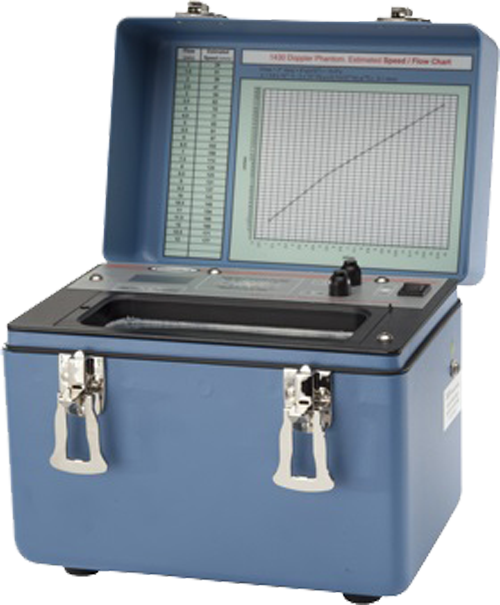 Open product: Model 1430 – Mini-Doppler Flow System – Sun Nuclear
Model 1430 – Mini-Doppler Flow System – Sun Nuclear
The Doppler Flow System tests both Doppler and B-mode ultrasound systems in a single unit. … Read more
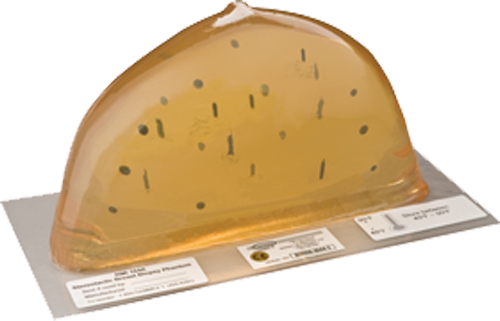 Open product: Model 164A – Stereotactic Breast Biopsy Phantom – Sun Nuclear
Model 164A – Stereotactic Breast Biopsy Phantom – Sun Nuclear
The Stereotactic Breast Biopsy Phantom form Sun Nuclear (formerly Gammex) is designed to be used… Read more
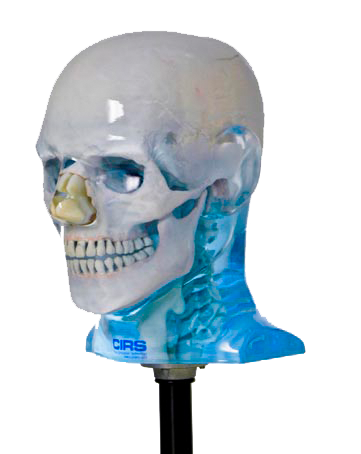 Open product: Model 711-HN ATOM Max Dental & Diagnostic Head Phantom – CIRS
Model 711-HN ATOM Max Dental & Diagnostic Head Phantom – CIRS
The Model 711-HN ATOM Max Dental & Diagnostic Head Phantom is a standard of reference… Read more
In radiology, nuclear medicine, and other imaging-based disciplines, training phantoms support the development of technical proficiency and procedural confidence. They allow practitioners to practise image acquisition, needle placement, catheter guidance, and other imaging-guided procedures while observing realistic imaging responses.
At PEO Medical, we supply a range of training phantoms for medical imaging and clinical education from trusted manufacturers including Sun Nuclear Corporation and Bertin Technologies (CIRS). These solutions are designed to support hospitals, training institutions, and healthcare organisations seeking reliable tools for radiology education, imaging system training, and clinical simulation.
What is Training Phantoms?
Training phantoms are physical models designed to replicate aspects of human anatomy or tissue characteristics for clinical education and imaging training. They allow healthcare professionals to practise diagnostic imaging procedures, interventional techniques, and equipment operation in a safe learning environment.
Unlike patients or cadaveric models, training phantoms provide repeatable and controlled training conditions. They are engineered using specialised materials that respond to imaging technologies such as ultrasound, CT, or X-ray in ways that resemble biological tissue.
Medical training phantoms may represent:
- Specific organs or anatomical structures
- Whole body sections used for imaging practice
- Tissue layers for needle insertion and biopsy training
- Imaging targets for radiology education
These tools support structured medical training programmes and help clinicians gain experience before performing procedures in real clinical settings.
How Training Phantoms Products Are Used
Training phantoms are widely used to support hands-on learning in clinical and imaging disciplines. Medical professionals use them to practise procedures, understand imaging techniques, and develop technical confidence.
Typical uses include:
- Imaging system training for CT, ultrasound, and radiography equipment
- Needle guidance practice for biopsy or interventional radiology procedures
- Ultrasound procedure training, including needle placement and vascular access
- Radiology education for students and trainee radiographers
- Simulation of clinical scenarios for structured medical training programmes
- Practice of image-guided interventions before clinical implementation
These training activities help ensure that clinical teams can develop technical skills while minimising risk to patients.
Applications of Training Phantoms
Training phantoms are used across a wide range of healthcare environments and educational programmes.
Hospitals
Hospitals use training phantoms to support internal training programmes for radiologists, clinicians, and medical technologists.
Radiotherapy
Radiotherapy teams may use training phantoms to practise imaging-guided procedures related to treatment planning or verification imaging.
Radiology
Radiology departments rely on phantoms for imaging education, scanner training, and procedural simulation.
Oncology
Oncology departments use imaging simulation tools to support training in diagnostic imaging and treatment planning workflows.
Clinics and Outpatient Centres
Diagnostic clinics may use training phantoms to train staff on new imaging systems or procedural techniques.
Diagnostic Laboratories
Research laboratories and imaging development teams use phantoms to evaluate imaging workflows and training protocols.
Nuclear Medicine
Training phantoms can be used in educational environments to demonstrate imaging principles and equipment operation.
Key Features and Capabilities
Modern training phantom systems are designed to provide realistic, repeatable simulation for healthcare education.
Typical features include:
- Tissue-equivalent materials designed to replicate imaging characteristics of human tissue
- Realistic anatomical structures to support procedural practice
- Compatibility with imaging modalities such as ultrasound, CT, and X-ray
- Durable construction suitable for repeated use in training environments
- Replaceable components or inserts for multiple training scenarios
- Portable designs suitable for training centres or classrooms
- Ease of cleaning to support hygiene in shared training environments
- Clear visual targets for procedural training and imaging guidance
- Support for simulation-based education programmes
These capabilities help healthcare institutions deliver structured and effective training programmes.
Benefits of Using Training Phantoms
Integrating training phantoms into healthcare education programmes offers several operational and clinical advantages.
Improved training outcomes
Practical training tools help clinicians develop procedural confidence and technical competence.
Enhanced patient safety
Practising procedures on phantoms allows clinicians to refine techniques before performing them in clinical environments.
Consistent training conditions
Training phantoms provide repeatable scenarios that support structured teaching and skill evaluation.
Efficient staff development
Simulation-based training allows healthcare teams to practise procedures without disrupting clinical operations.
Support for modern medical education
Training phantoms help institutions implement advanced simulation-based teaching methods.
Long-term value for healthcare providers
Durable phantom models provide ongoing training support for multiple cohorts of healthcare professionals.
Choosing the Right Training Phantoms
Selecting suitable training phantoms requires consideration of the institution’s training objectives and clinical environment.
Intended clinical application
Different phantoms support imaging training, ultrasound procedures, or interventional practice.
Training programme requirements
Medical schools, hospitals, and research institutions may require specific anatomical models.
Imaging modality compatibility
Phantoms should be compatible with the imaging technologies used for training, such as ultrasound or CT.
Durability and reusability
High-quality materials ensure that phantoms can withstand repeated use in training environments.
Ease of maintenance
Replaceable components and easy cleaning can extend the operational life of the phantom.
Training environment
Facilities may require portable phantoms for mobile training sessions or larger systems for simulation laboratories.
Working with experienced suppliers helps ensure organisations select solutions that align with their educational objectives.
Our Training Phantoms Solutions
PEO Medical supplies a selection of training phantoms designed for medical imaging education and procedural simulation. Our product range includes models suitable for:
- Radiology training and imaging education
- Ultrasound-guided procedure practice
- CT and X-ray imaging training
- Anatomical simulation for medical education
- Imaging system demonstration and training
Through partnerships with Sun Nuclear Corporation and Bertin Technologies (CIRS), we provide phantom systems designed to support healthcare training programmes and imaging education initiatives.
These solutions are suitable for hospitals, training centres, universities, and healthcare organisations seeking reliable tools for clinical skills development.
Why Choose PEO Medical
Healthcare institutions worldwide choose PEO Medical as a partner for specialised medical equipment and healthcare technology.
Comprehensive healthcare portfolio
We supply equipment across radiotherapy, diagnostic imaging, nuclear medicine, laboratory research, and medical training.
Experience with healthcare projects
PEO Medical supports hospitals, clinics, ministries of health, and international healthcare programmes.
Trusted manufacturer partnerships
We collaborate with established OEMs recognised for quality and reliability.
International sourcing and logistics
Our global supply capabilities support healthcare organisations in multiple regions.
Technical product expertise
Our team assists buyers in identifying appropriate equipment for clinical and training environments.
Procurement consultancy
We help healthcare organisations select solutions that meet operational and educational requirements.
Conclusion
Effective clinical training plays a crucial role in maintaining high standards of patient care. Training phantoms enable healthcare professionals to practise imaging techniques, develop procedural skills, and improve technical confidence in controlled learning environments.
PEO Medical provides a range of training phantom solutions designed to support hospitals, medical schools, and healthcare training programmes. Explore our available products or contact our team to discuss suitable options for your clinical training needs.


